Carpet Area Calculator
19 July 2025|14 Minutes Read
By : Ganga Realty

Carpet Area Calculator – Calculate Carpet Area Online (RERA Guide)

When buying an apartment or comparing residential properties, you’ll often come across terms like carpet area, built-up area, and super built-up area. While these terms may sound similar, they represent different measurements—and understanding the difference can help you make a smarter property investment.

Many homebuyers unknowingly compare apartments based on the super built-up area, even though the actual usable living space is measured by the carpet area. This misunderstanding can lead to incorrect price comparisons and unrealistic expectations.

To simplify the process, use our Carpet Area Calculator to estimate the usable floor space in your home. This guide also explains the RERA definition of carpet area, the calculation formula, practical examples, and the key differences between carpet area, built-up area, and super built-up area.

Before purchasing a property, it’s important to understand the fundamentals of property selection, budgeting, and market trends. Explore our Real Estate Investment Guide to make informed buying decisions.

Carpet Area = Built-up Area × 0.7
Built-up Area = Carpet Area ÷ 0.7
Use a carpet area calculator to easily estimate how much usable space you’ll get in a property. Ideal for homebuyers, real estate agents, and investors.

Carpet Area Calculator

Use the calculator below to estimate the total usable floor area inside your apartment.

Carpet Area Calculator

Enter any 1 value to calculate the other


Enter the usable area of each room:

  • Living Room
  • Master Bedroom
  • Bedroom 2
  • Bedroom 3 (if applicable)
  • Kitchen
  • Bathrooms
  • Store Room
  • Study Room
  • Utility Room (if enclosed)

The calculator automatically adds the usable spaces to estimate your total carpet area.

Note: Balconies, external walls, terraces, lift lobbies, staircases, and common areas are not included in the carpet area calculation.

Quick Summary

Before diving deeper, here’s what every homebuyer should know:

  • Carpet area is the actual usable floor space inside your apartment.
  • It excludes balconies, terraces, common areas, and external walls.
  • RERA requires developers to disclose carpet area for residential projects.
  • Carpet area is the best measurement for comparing apartments.
  • A higher super built-up area does not always mean a larger usable home.
  • Always compare the price per carpet square foot, not just the saleable area.

What Is Carpet Area?

Carpet area is the net usable floor area within the walls of an apartment. In simple terms, it is the portion of your home where you can actually place furniture, walk comfortably, and use the space for daily living.

Think of carpet area as the space where a carpet could theoretically be laid inside the apartment—excluding external walls, balconies, terraces, shafts, and common spaces.

The carpet area generally includes:

  • Living room
  • Bedrooms
  • Kitchen
  • Dining area
  • Bathrooms
  • Internal passages
  • Store room
  • Study room
  • Utility room (if enclosed)

It does not include:

  • Balcony
  • Terrace
  • Open utility areas
  • External walls
  • Common corridors
  • Lift lobby
  • Staircase
  • Clubhouse
  • Parking area

Understanding the carpet area gives buyers a realistic idea of how much functional living space they are actually purchasing.

When comparing Luxury Apartments in Gurgaon, always evaluate the carpet area instead of relying solely on the super built-up area mentioned in marketing brochures.

Carpet Area Formula

The carpet area is calculated by adding together all usable internal floor spaces inside the apartment.

Formula:

Carpet Area = Living Room + Bedrooms + Kitchen + Bathrooms + Dining Area + Internal Passage + Store Room + Study Room + Other Enclosed Usable Areas

Only spaces that can be used for day-to-day living are included in the calculation.

Why Is Carpet Area Important?

Carpet area is one of the most important factors to evaluate before purchasing a property because it directly reflects the usable space available inside your home.

Knowing the carpet area helps you:

  • Compare different apartments fairly.
  • Calculate the actual cost per usable square foot.
  • Understand the real value of your investment.
  • Plan furniture placement and interior design.
  • Avoid confusion caused by inflated super built-up area figures.
  • Make informed buying decisions based on practical living space.

For example, two apartments may both be advertised as 2,000 sq. ft., but one could have a carpet area of 1,400 sq. ft. while the other offers 1,550 sq. ft. The second apartment provides significantly more usable living space even though the advertised size appears the same.

Once you’ve finalized your property, review the documents required for property registration to ensure a smooth registration process.

How to Calculate Carpet Area (Step-by-Step)

Carpet Area = Net usable floor area (excluding walls, balconies, and shafts)

Example:

  • Total Area = 1200 sq ft
  • Walls = 150 sq ft
  • Balcony = 100 sq ft

Carpet Area = 950 sq ft

Understand the difference between carpet area, built-up area, and super area, and learn how knowing these measurements can help buyers avoid a carpet area–super area dispute while comparing properties.

Why Every Homebuyer Should Verify Carpet Area

Before booking a property, always verify the carpet area mentioned in the brochure, floor plan, and RERA registration details.

Comparing apartments solely on the basis of super built-up area can be misleading because different developers use different loading percentages.

Using carpet area as the standard allows you to compare homes more accurately and understand exactly what you’re paying for.

In the next section, we’ll explain the RERA definition of carpet area, what is included and excluded under the law, and why it has become the benchmark for transparent property transactions in India.

Compare the latest property rates in Gurgaon to understand how carpet area affects the overall value of a property.

What Is RERA Carpet Area?

One of the biggest changes introduced by the Real Estate (Regulation and Development) Act, 2016 (RERA) was the standardization of how developers measure and advertise residential properties.

Before RERA, builders often marketed apartments based on the super built-up area, making it difficult for buyers to compare projects fairly. Since each developer used a different method of calculating common areas and loading percentages, buyers frequently paid for space they couldn’t actually use.

To improve transparency, RERA made carpet area the standard unit for selling residential properties. Learn how to verify project approvals and RERA registration by following our detailed HRERA Guide before purchasing any property.

Today, every RERA-registered project must clearly disclose the carpet area of each apartment, allowing buyers to compare homes based on their actual usable space rather than inflated saleable areas.

What Is Included in RERA Carpet Area?

The following areas are generally included in the RERA carpet area calculation:

  • Living room
  • Bedrooms
  • Dining area
  • Kitchen
  • Bathrooms
  • Internal passages
  • Store room
  • Study room
  • Utility room (if enclosed)
  • Area covered by internal partition walls

These are all functional spaces that contribute to your day-to-day living experience.

If you’re purchasing property from overseas, our NRI investment in Indian real estate guide explains the legal process, financing options, and documentation requirements.

What Is Not Included in RERA Carpet Area?

The following spaces are excluded from carpet area under RERA:

  • Balcony
  • Verandah
  • Open terrace
  • External walls
  • Service shafts
  • Lift lobby
  • Staircase
  • Common corridor
  • Clubhouse
  • Garden
  • Parking area
  • Shared amenities

These spaces may still add value to the property but are not considered part of the carpet area.

Why Did RERA Introduce Carpet Area?

Before RERA, developers across India used different terms such as:

  • Built-up Area
  • Super Built-up Area
  • Saleable Area

Since there was no standard calculation method, buyers often found it difficult to compare two apartments with the same advertised size.

RERA addressed this issue by introducing a uniform definition of carpet area, ensuring greater transparency and helping buyers make informed decisions.

The benefits include:

  • Standardized property measurements
  • Greater pricing transparency
  • Easier comparison across projects
  • Improved buyer confidence
  • Reduced chances of misleading advertisements

Example: Carpet Area vs Super Built-up Area

Consider two apartments:

Apartment A

  • Super Built-up Area: 1,500 sq. ft.
  • Carpet Area: 1,020 sq. ft.

Apartment B

  • Super Built-up Area: 1,500 sq. ft.
  • Carpet Area: 1,150 sq. ft.

Although both apartments are marketed as 1,500 sq. ft., Apartment B offers 130 sq. ft. more usable living space.

Without checking the carpet area, a buyer might incorrectly assume that both homes are identical. This example highlights why comparing carpet area is far more meaningful than relying solely on the super built-up area.

Discover why Gurgaon remains one of India’s most preferred destinations for property investment in our detailed why NRIs should invest in Gurgaon real estate guide.

Why Homebuyers Should Compare Carpet Area

Whenever you evaluate multiple residential projects, always compare:

  • Carpet area
  • Price per carpet square foot
  • Floor plan efficiency
  • Common area loading
  • Balcony size (separately)

Avoid making purchase decisions based only on the super built-up area or the total saleable area mentioned in marketing brochures.

A home with a higher carpet area often provides better value even if its advertised size appears similar to another property.

Buyer Tips Before Purchasing

Before booking an apartment:

  • Check the carpet area mentioned in the RERA registration.
  • Compare the carpet area across different projects—not just the saleable area.
  • Ask the developer for the detailed floor plan.
  • Understand the loading percentage between carpet and super built-up area.
  • Compare the effective price per carpet square foot rather than the advertised project size.

These simple checks can help you choose a home that offers better value and avoid paying for unusable space.

Before purchasing an under-construction apartment, explore the benefits of investing in under-construction projects to understand appreciation potential and flexible payment plans.

What Is Built-up Area?

Built-up area refers to the total area of your apartment, including the carpet area and the thickness of internal and external walls. It may also include balconies or utility areas, depending on the developer’s methodology.

Built-up Area Typically Includes:

  • Carpet Area
  • Internal walls
  • External walls
  • Balcony or utility area (where applicable)

Built-up Area Does Not Include:

  • Lift lobby
  • Staircases
  • Clubhouse
  • Garden
  • Common corridors
  • Parking area

Since wall thickness is included, the built-up area is always larger than the carpet area.

If you’re exploring emerging investment destinations, our Sohna Investment Guide highlights the area’s infrastructure growth and future potential.

How to Calculate Built-up Area from Carpet Area?

Built-up Area = Carpet Area ÷ Efficiency Factor

If your carpet area is 875 sq ft, and the efficiency is 70%,
Built-up Area = 875 ÷ 0.7 = 1250 sq ft

What Is Super Built-up Area?

Super built-up area is commonly referred to as the saleable area. It includes the built-up area along with a proportionate share of common spaces within the residential project.

These common areas may include:

  • Lift lobby
  • Staircases
  • Reception area
  • Clubhouse
  • Gymnasium
  • Community hall
  • Common corridors
  • Shared amenities

Because it includes common areas, the super built-up area is the largest of the three measurements.

Carpet Area vs Built-up Area vs Super Built-up Area

Buyers often get confused between carpet area, built-up area and super built-up area. Understanding these measurements helps compare usable space, pricing and avoid carpet area super area disputes during property selection.

ComparisonCarpet AreaBuilt-up AreaSuper Built-up Area
DefinitionActual usable space inside the propertyCarpet area plus wall thickness and balconiesBuilt-up area plus proportionate share of common areas
IncludesBedrooms, living room, kitchen, bathrooms, internal partition wallsCarpet area + internal & external walls + balconiesBuilt-up area + lobby, lift, staircase, clubhouse, common areas
ExcludesExternal walls, balconies, terraces, common spacesCommon amenities and shared spacesUsually excludes parking and external open areas
Typical % of Super Area65–75%75–85%100% (saleable area)
Best forUnderstanding actual usable spaceComparing physical unit sizeUnderstanding pricing and purchase value

Quick Example

If Super Built-up Area = 2,000 sq ft

  • Carpet Area ≈ 1,300–1,500 sq ft
  • Built-up Area ≈ 1,500–1,700 sq ft
  • Super Built-up Area = 2,000 sq ft

Why Carpet Area Matters in Real Estate?

  • Accurate pricing: You only pay for usable space.
  • Better comparisons: Carpet area lets you fairly compare two properties.
  • Regulatory transparency: Many RERA-approved builders now disclose carpet area upfront.

Carpet area insights are essential for comparing properties accurately across different market phases. Explore the latest real estate market trends in India to see how carpet area disclosures are influencing buyer decisions today.

Key Takeaways

  • Carpet area is the actual usable floor space inside your home.
  • Built-up area includes carpet area plus wall thickness and certain additional structural components.
  • Super built-up area includes the built-up area along with a proportionate share of common amenities.
  • RERA has standardized the definition of carpet area to improve transparency.
  • Always compare apartments using carpet area rather than super built-up area.
  • Understanding loading percentage helps you evaluate the true value of a property.

Want to Buy a Home Based on Carpet Area?

Understanding carpet area can help you make smarter investment decisions. Use this calculator anytime to estimate the space you’re actually getting.

Explore the complete portfolio of Ganga Realty Projects to compare thoughtfully designed residential communities across Gurgaon.
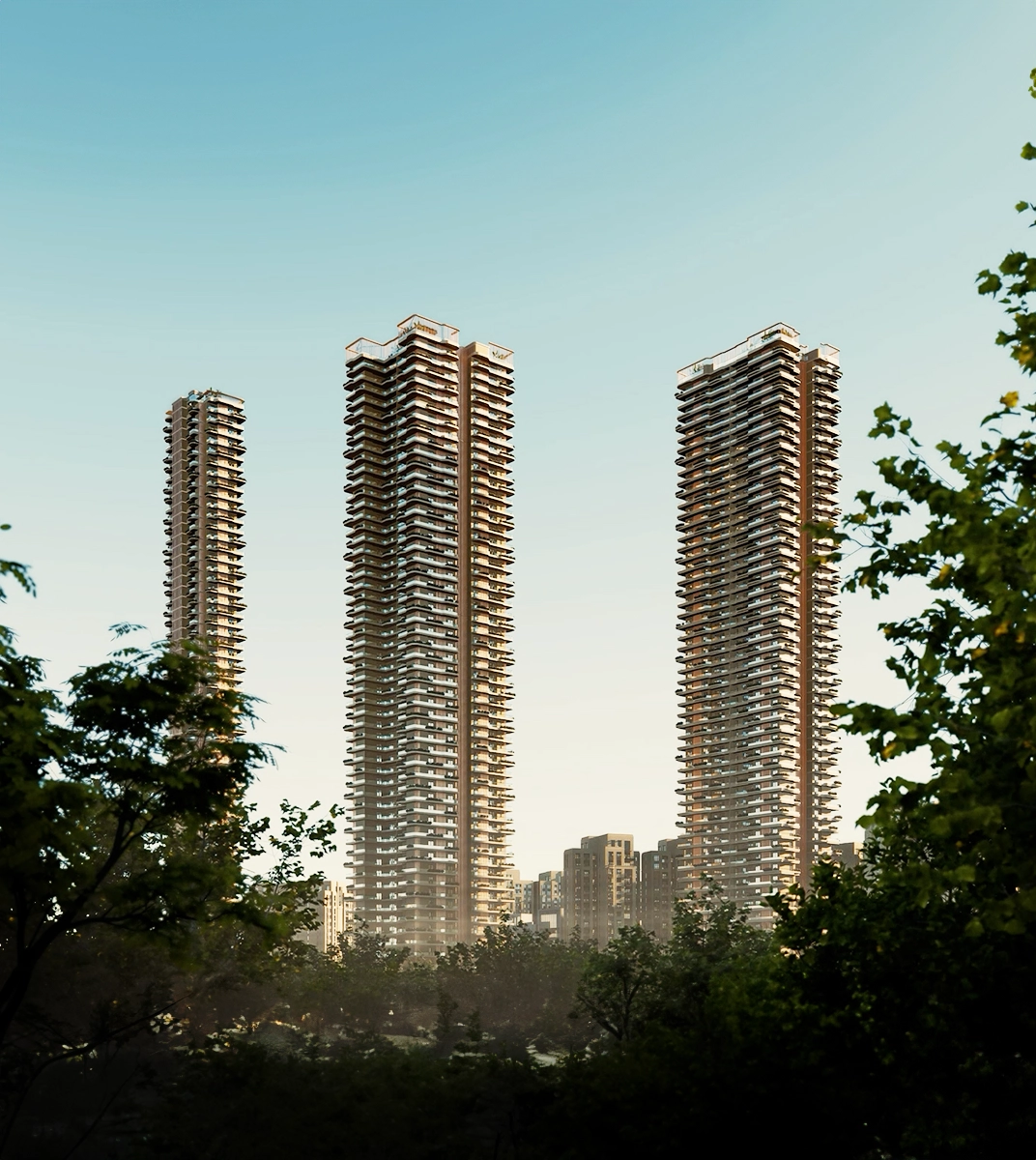
anantam85

Anantam 85

Ultra-luxury residences on Dwarka Expressway offering expansive green spaces and world-class amenities.

View Project

nandaka84

Nandaka 84

Modern residential community in New Gurgaon designed for connectivity, comfort, and lifestyle.

View Project
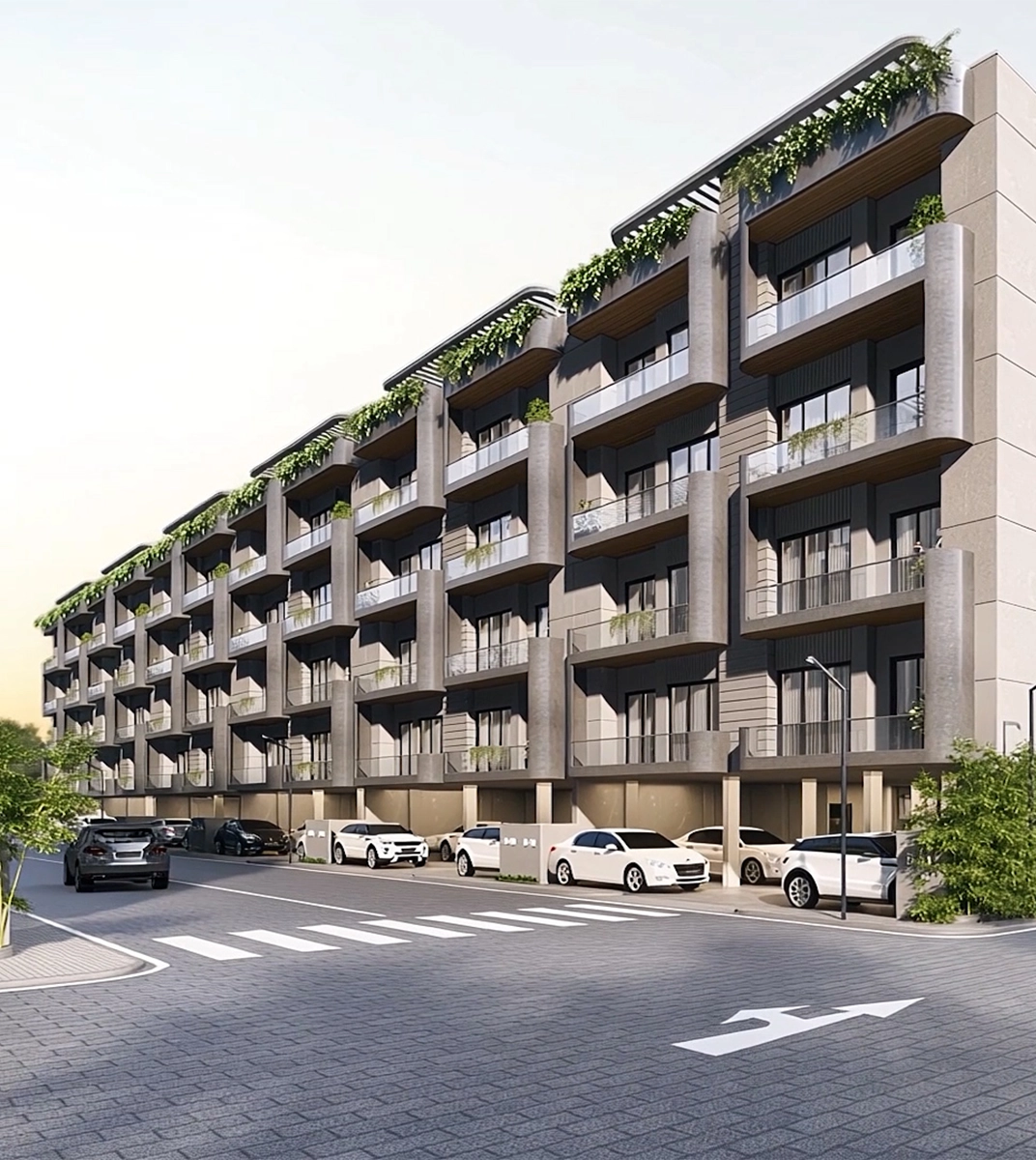
kashi-residences

Ganga Kashi Residences

Premium residential development offering peaceful living with contemporary amenities.

View Project
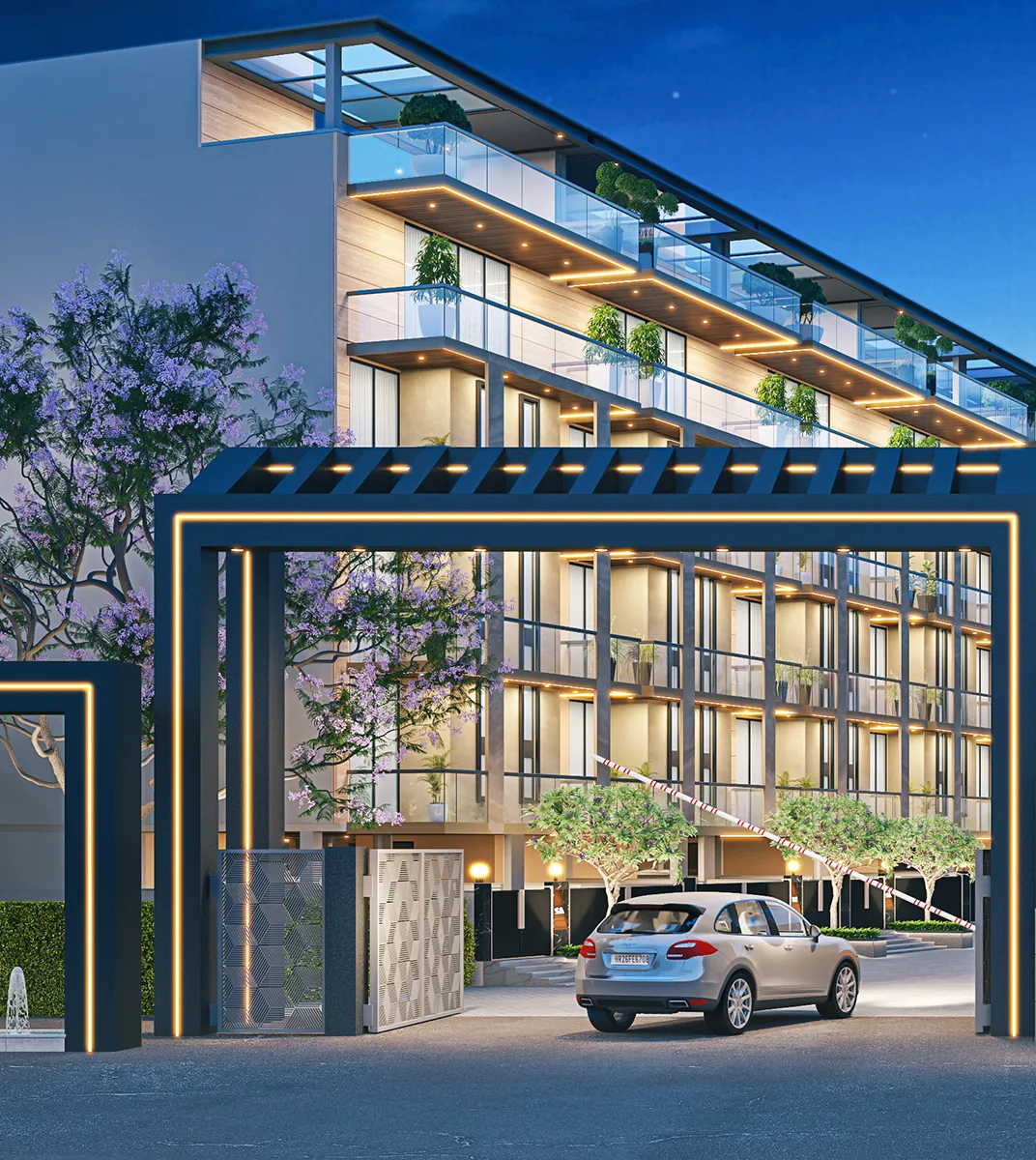
ganga-valley

Ganga Valley 78

Integrated township living with lush green spaces and a complete lifestyle ecosystem.

View Project

Efficiency of space plays a significant role—not only in affordable housing but also in high-end projects. Discover how space planning influences the future of luxury real estate in India.

Conclusion

Understanding the difference between carpet area, built-up area, and super built-up area is essential for making an informed property purchase. While builders may advertise larger super built-up areas, the carpet area remains the most accurate measure of the actual living space you receive.

With the introduction of RERA, buyers now have greater transparency and a standardized way to compare residential properties. By focusing on carpet area, verifying project details, and comparing the effective price per carpet square foot, you can make more confident investment decisions.

Before finalizing any property purchase, use our Carpet Area Calculator to estimate usable space and compare multiple apartments based on the same measurement standard.

Looking for spacious luxury apartments with efficient floor plans? Explore Ganga Nandaka in Sector 84, Ganga Anantam in Sector 85, Gurgaon.

FAQs about Carpet Area

RERA carpet area is the standardized definition introduced under the Real Estate (Regulation and Development) Act, 2016. It refers to the net usable floor area of an apartment, including the area covered by internal partition walls but excluding external walls, balconies, terraces, and service shafts.

Measure the usable floor area of each room, including bedrooms, living room, kitchen, bathrooms, and internal passages. Add these measurements together to determine the total carpet area.

No. Balconies, verandahs, and open terraces are excluded from the carpet area under RERA.

Carpet area includes the area covered by internal partition walls but excludes the thickness of external walls.

Carpet area is the usable floor space inside the apartment. Built-up area includes the carpet area along with internal and external wall thickness and, in many projects, balconies.

Super built-up area includes the built-up area plus a proportionate share of common areas such as lift lobbies, staircases, clubhouses, and other shared amenities.

Saleable area is generally the same as the super built-up area and is often used by developers to calculate the selling price of an apartment.

Always compare the carpet area and the price per carpet square foot, as these provide the most accurate measure of usable living space and value.

Carpet area helps buyers understand the actual usable space in a property, compare projects fairly, and make informed purchasing decisions.

No. Parking spaces are not included in carpet area calculations.

No. Clubhouses, gyms, swimming pools, gardens, and other shared amenities are part of the common areas and are not included in the carpet area.

You can verify the carpet area through the project’s RERA registration details, approved floor plans, and the builder’s official documentation.

Not necessarily. Apartments with the same super built-up area may have different carpet areas depending on the project’s design and loading percentage.

Yes. An online carpet area calculator provides a quick estimate of the usable floor space by adding the areas of individual rooms.

Yes. Carpet area gives a clearer understanding of the space you can actually use, making it a better metric for comparing properties and evaluating value for money.


Enquire Now

Recent Posts

Delhi–Mumbai Expressway: How It Could Influence Sohna Property Prices in 2026
10 July 2026|15 Minutes Read

Delhi–Mumbai Expressway: How It Could Influence Sohna Property Prices in 2026

The Delhi–Mumbai Expressway is one of India's most ambitious infrastructure projects, designed to improve connectivity between the national capital and the country's financial hub. While the expressway spans multiple states, it is also drawing significant attention from homebuyers and real estate investors looking at emerging locations like Sohna, Gurgaon. This transformation is closely linked to planned urban development outlined in the Sohna Master Plan, which is shaping the region's residential, commercial, and infrastructure growth. A common question among buyers is: Will the Delhi–Mumbai Expressway increase property prices in Sohna? The answer isn't as simple as "yes" or "no." Infrastructure projects often improve accessibility, reduce travel time, and attract residential and commercial development. However, property appreciation depends on several factors, including location, surrounding infrastructure, employment opportunities, demand, and the quality of new developments. [ez-toc] Over the past few years, Sohna has evolved from a relatively quiet suburban town into one of the fastest-growing real estate destinations in the National Capital Region (NCR). Government-backed infrastructure, planned urban development, improved road connectivity, and the arrival of reputed developers have significantly enhanced the area's appeal for both homebuyers and long-term investors. In this guide, we'll explore how the Delhi–Mumbai Expressway is expected to improve connectivity around Sohna, examine the factors that influence Property Rates in Sohna, identify areas that may benefit the most, and help you understand whether buying property near the expressway aligns with your investment or lifestyle goals. What You'll Learn What is the Delhi–Mumbai Expressway? How does it improve connectivity around Sohna? Can infrastructure projects influence property prices? Which locations in Sohna could benefit the most? Is this the right time to buy property in Sohna? Important factors every homebuyer should consider before investing. Can the Delhi–Mumbai Expressway influence Sohna property prices? The Delhi–Mumbai Expressway is expected to improve regional connectivity around Sohna by reducing travel time and supporting future residential, commercial, and industrial development. While improved infrastructure can contribute to stronger real estate demand, property prices are also influenced by factors such as project location, builder reputation, amenities, market conditions, and overall economic growth. Buyers should evaluate these factors together before making a purchase. If you're still evaluating whether Sohna is the right investment destination, our detailed guide on Why Invest in Sohna Gurgaon explores the area's growth drivers, infrastructure, and future potential. Quick Facts OverviewDetailsProjectDelhi–Mumbai ExpresswayPurposeImprove connectivity between Delhi and MumbaiBenefits for SohnaBetter accessibility, faster travel, infrastructure-led developmentPotential ImpactIncreased residential demand, commercial growth, improved connectivityBest ForHomebuyers, investors, professionals, NRIsPrimary FocusLong-term real estate growth What Is the Delhi–Mumbai Expressway? The Delhi–Mumbai Expressway is one of India's largest and most ambitious highway infrastructure projects. Developed by the National Highways Authority of India (NHAI), the expressway is designed to improve road connectivity between Delhi and Mumbai, two of the country's most important economic hubs. Stretching over 1,300 kilometres, this access-controlled expressway passes through multiple states, including Haryana, Rajasthan, Madhya Pradesh, Gujarat and Maharashtra. Once fully operational, it is expected to significantly reduce travel time, improve freight movement, and strengthen regional connectivity across western and northern India. For residents and property buyers in Sohna, Gurgaon, the expressway is more than just a transportation project. It represents a major infrastructure upgrade that complements the region's ongoing urban development. Along with projects such as the Gurgaon–Sohna Elevated Road, the Kundli–Manesar–Palwal (KMP) Expressway, and the Sohna Master Plan 2031, it is helping improve accessibility and support long-term growth. Why Is the Delhi–Mumbai Expressway Important for Sohna? Sohna has evolved into one of Gurgaon's fastest-growing residential destinations over the past few years. Better connectivity has played an important role in this transformation. Although the expressway is not the only factor influencing Sohna's development, it strengthens the area's connectivity with key business districts, industrial corridors, and neighbouring cities. Improved road infrastructure can make commuting more convenient, support economic activity, and increase the attractiveness of the region for both homebuyers and businesses. Some of the expected advantages include: Faster regional connectivity across NCR and beyond. Better access to industrial and commercial corridors. Improved logistics and freight movement. Increased attractiveness for residential and mixed-use developments. Enhanced accessibility for daily commuters travelling between Gurgaon, Delhi, and nearby growth corridors. For families looking to buy a home, these improvements can translate into shorter travel times, better access to workplaces, schools, hospitals, and lifestyle destinations. For investors, infrastructure projects often indicate long-term development potential, although they should always be evaluated alongside other market factors. Learn how planned infrastructure is shaping South Gurgaon in our Property Rates in Gurgaon guide. Delhi–Mumbai Expressway at a Glance FeatureDetailsProject NameDelhi–Mumbai ExpresswayDeveloped ByNational Highways Authority of India (NHAI)Approximate LengthOver 1,300 kmPurposeImprove connectivity between Delhi and Mumbai while supporting economic growthStates CoveredHaryana, Rajasthan, Madhya Pradesh, Gujarat and MaharashtraBenefits for SohnaBetter regional connectivity, improved accessibility and support for long-term urban development How Does Better Connectivity Influence Real Estate? Infrastructure projects do not automatically increase property prices. However, they often create conditions that make an area more attractive for living, working, and investing. When connectivity improves, several positive changes may follow over time: Improved Road Network↓Shorter Travel Time↓Better Access to Employment Hubs↓Higher Residential Demand↓Growth in Social & Commercial Infrastructure↓Potential Increase in Property Demand This is one of the reasons why locations supported by planned infrastructure often attract attention from developers and homebuyers. However, the pace of growth depends on several additional factors, including government planning, economic conditions, availability of civic infrastructure, and the quality of residential projects. Infrastructure Alone Doesn't Determine Property Prices One common misconception is that every infrastructure project guarantees rapid property appreciation. In reality, property values are influenced by a combination of factors. These include: Location within the city. Quality and reputation of the developer. Availability of schools, hospitals, and retail centres. Demand from homebuyers and investors. Employment opportunities nearby. Future urban planning. Supply of residential inventory. Overall market conditions. For this reason, buyers should view the Delhi–Mumbai Expressway as one of several positive indicators rather than the only reason to invest in Sohna real estate. Before comparing projects, it's equally important to understand the difference between carpet area and built-up area. Try our Carpet Area Calculator to accurately evaluate property sizes. Did You Know? Sohna's growth is being supported by multiple infrastructure initiatives working together, including: Delhi–Mumbai Expressway Gurgaon–Sohna Elevated Road KMP Expressway Sohna Master Plan 2031 Expansion of residential and commercial developments Growing presence of reputed real estate developers Together, these developments are gradually transforming Sohna into an emerging residential and investment destination in the Gurgaon region. How Could the Delhi–Mumbai Expressway Influence Sohna Property Prices? When a major infrastructure project is announced, one of the first questions homebuyers ask is: "Will property prices increase?" While there is no fixed formula for predicting real estate appreciation, history shows that well-planned infrastructure projects often improve an area's accessibility, encourage development, and make surrounding locations more attractive for both residents and businesses. The Delhi–Mumbai Expressway is expected to play a similar role in strengthening the long-term growth story of Sohna, Gurgaon. Rather than looking at the expressway in isolation, it's important to understand how improved connectivity can influence real estate demand over time. Why Connectivity Matters in Real Estate One of the biggest factors that affects the value of a residential location is connectivity. People generally prefer homes that offer convenient access to workplaces, schools, hospitals, shopping destinations, and major transport corridors. When travel becomes easier, an area often becomes more attractive to: Working professionals Families Business owners Investors Developers As demand grows, developers introduce better residential and commercial projects, civic infrastructure improves, and the overall neighbourhood becomes more established. This process usually happens gradually over several years rather than overnight. How the Delhi–Mumbai Expressway Could Support Sohna's Growth The expressway is expected to complement Sohna's existing infrastructure by improving regional connectivity. Some potential long-term benefits include: Better Regional Connectivity Improved road infrastructure can make travel between Sohna, Gurgaon, Delhi, and other important economic centres more convenient. For professionals who commute regularly, reduced travel time often becomes a key factor while choosing a home. Increased Residential Demand Locations with better accessibility generally receive greater attention from homebuyers. As more people consider Sohna for end-use, demand for quality housing may gradually increase. This benefits: Apartments Builder floors Luxury residences Integrated townships Gated communities Growth of Commercial Activity Improved transportation networks often encourage commercial development. Retail spaces, office hubs, hospitality projects, and neighbourhood shopping centres tend to expand as residential communities grow. A stronger commercial ecosystem also improves the overall livability of an area. Better Employment Accessibility Many residents of Sohna work across different parts of Gurgaon and the National Capital Region. Improved road connectivity can make daily commuting easier, allowing buyers to consider homes that offer larger spaces, greener surroundings, and better value compared to more established city centres. Higher Buyer Confidence Large-scale infrastructure investments often indicate long-term government planning. When combined with planned urban development, reliable civic infrastructure, and quality residential projects, they can improve buyer confidence in an emerging location. Sohna's Growth Is Driven by Multiple Factors The Delhi–Mumbai Expressway is an important development, but it is only one part of Sohna's transformation. The area's growth is also supported by: Sohna Master Plan 2031 Gurgaon–Sohna Elevated Road KMP Expressway Expanding educational institutions Healthcare facilities Premium residential communities Commercial developments Increasing interest from reputed real estate developers Together, these factors are contributing to Sohna's emergence as one of the fastest-growing residential destinations in the Gurgaon region. Which Areas in Sohna Could Benefit the Most from the Delhi–Mumbai Expressway? One of the most common questions among homebuyers is whether the benefits of the Delhi–Mumbai Expressway will be felt equally across Sohna. The answer is not necessarily. While improved connectivity can enhance the appeal of the broader region, the extent of its impact often depends on factors such as proximity to major road networks, existing infrastructure, planned urban development, and the availability of residential and commercial amenities. Instead of focusing only on distance from the expressway, buyers should evaluate the overall development potential of a neighbourhood. Residential Sectors with Strong Connectivity Sohna has witnessed the development of several planned residential sectors over the past few years. Areas that already enjoy good connectivity to major roads and are supported by social infrastructure may continue to attract interest from homebuyers. When evaluating a residential sector, consider: Connectivity to Gurgaon's business districts. Access to major highways and arterial roads. Availability of schools, hospitals, and daily conveniences. Public transport options. Planned civic infrastructure. Well-connected residential neighbourhoods generally offer greater convenience for families and working professionals. Areas Close to Existing Growth Corridors Infrastructure projects rarely work in isolation. Locations that benefit from multiple connectivity corridors often become more attractive over time. In Sohna, buyers may consider areas that have access to: Delhi–Mumbai Expressway Gurgaon–Sohna Elevated Road KMP Expressway Southern Peripheral Road (SPR) Golf Course Extension Road connectivity Sohna Sector 5, 9, 10, 35 The combination of these road networks can improve accessibility and support long-term urban growth. Emerging Residential Communities Many homebuyers today are looking beyond established city centres in search of larger homes, greener surroundings, and better value. Sohna has seen the development of: Integrated townships Premium apartment communities Builder floors Low-density residential developments Gated communities For buyers planning to live in the area, the focus should be on neighbourhood quality rather than future price expectations alone. Areas Near Social Infrastructure Good connectivity is valuable, but everyday convenience matters just as much. When choosing a home, evaluate whether the surrounding area offers: Reputed schools Hospitals and healthcare facilities Supermarkets Parks and green spaces Restaurants and cafés Banks and essential services A well-developed social ecosystem contributes significantly to long-term livability and demand. Locations with Planned Urban Development Government-backed planning initiatives can support the orderly growth of a region. Areas covered under planned development frameworks often benefit from: Better road networks. Public utilities. Water and sewerage infrastructure. Parks and recreational spaces. Commercial centres. Institutional development. For buyers considering long-term ownership, understanding future development plans can provide valuable context. What Should Buyers Compare Before Choosing a Location? Instead of selecting a property based only on marketing claims, compare neighbourhoods using practical factors. This simple checklist can help buyers evaluate locations more objectively. Evaluation FactorWhy It MattersRoad ConnectivityReduces travel time and improves accessibilitySchools & CollegesImportant for families with childrenHospitalsAccess to quality healthcareShopping & Daily NeedsBetter everyday convenienceEmployment HubsEasier commuting for professionalsPublic InfrastructureSupports long-term livabilityGreen SpacesBetter lifestyle and environmentFuture Development PlansIndicates long-term growth potential Is Buying Near an Expressway Always Better? Not necessarily. While good road connectivity is an advantage, buyers should also consider factors such as: Noise levels. Air quality. Safe access roads. Internal road infrastructure. Distance from essential services. Quality of neighbourhood planning. Sometimes, a residential community located a short distance away from a major highway may provide a quieter and more comfortable living environment while still benefiting from excellent connectivity. Tips for Choosing the Right Location in Sohna Before making a property purchase, ask yourself: Is the location well connected to your workplace? Are schools and hospitals easily accessible? Is the neighbourhood already developed or still emerging? Does the area have reliable civic infrastructure? Are there parks and recreational spaces nearby? Is the project registered with RERA? Does the builder have a good reputation? Does the location suit your family's long-term needs? Taking time to answer these questions can help you make a more informed decision. Understanding the Property Registration Process in Gurgaon can also help first-time buyers avoid delays during registration. Learn more about the RERA you can check our RERA Approved Projects Guide. Quick Comparison: What Makes a Residential Location Attractive? FeatureWhy Buyers Value ItExcellent Road ConnectivityEasier daily commuteGood Social InfrastructureBetter quality of lifePlanned Urban DevelopmentLong-term growth potentialGreen EnvironmentHealthier livingReputed DevelopersHigher buyer confidenceCommunity AmenitiesImproved lifestylePublic ServicesGreater convenience Residential Options for Homebuyers Looking at Sohna Sohna today offers a mix of affordable homes, plotted developments, and premium residential communities, allowing buyers to choose a property that matches their budget and lifestyle requirements. For example, buyers looking for value homes may explore projects such as Tathastu Sector 5 and Tathastu Sector 35, which are part of the Tathastu brand by Ganga Realty and focus on thoughtfully planned residential communities in Sohna. These projects are designed to provide modern amenities while benefiting from the region's improving connectivity and planned urban development. Looking ahead, Ganga Realty is also expanding its presence in South Gurgaon with an upcoming luxury residential development in Sector 9–10, Sohna. Planned as a premium low-rise residential community, the project is expected to offer spacious homes, landscaped open spaces, and modern lifestyle amenities while benefiting from proximity to the Delhi–Mumbai Expressway, the Gurgaon–Sohna Elevated Road, and other key infrastructure corridors. As of now, the project is in the pre-launch stage, and detailed specifications are yet to be announced officially. For buyers seeking premium and luxury living in Gurgaon, Ganga Realty has also developed projects such as: Ganga Nandaka 84 – Premium residences in Sector 84, Gurgaon. Ganga Anantam 85 – Luxury high-rise residences in Sector 85, Gurgaon. Ganga Kashi Residences – Premium 3 BHK homes in Sector 89, Gurgaon Ganga Valley 78 – Premium plotted development in Sector 78, Gurgaon. These projects are located in different growth corridors of Gurgaon, reflecting how infrastructure improvements across the city are creating new residential opportunities for a wide range of buyers. Choosing a home based on these practical factors often leads to a better long-term living experience than relying solely on expected price appreciation. Should You Buy Property in Sohna Before the Delhi–Mumbai Expressway Is Fully Operational? This section will address timing, buyer profiles (end-users vs. investors), common myths, risks, and practical decision-making—making the article genuinely valuable while naturally leading readers toward your Sohna project pages without sounding promotional. Buyers interested in South Gurgaon can explore both affordable communities under Tathastu Realty and premium developments by Ganga Realty to compare locations, amenities, and lifestyle offerings before making a decision. Anantam 85 Ultra-luxury residences on Dwarka Expressway offering expansive green spaces and world-class amenities. View Project Nandaka 84 Modern residential community in New Gurgaon designed for connectivity, comfort, and lifestyle. View Project Ganga Kashi Residences Premium residential development offering peaceful living with contemporary amenities. View Project Ganga Valley 78 Integrated township living with lush green spaces and a complete lifestyle ecosystem. View Project Frequently Asked Questions

Read More
How to Choose the Right Plot Size in Gurgaon for Your Family’s Long-Term Needs
30 June 2026|7 Minutes Read

How to Choose the Right Plot Size in Gurgaon for Your Family’s Long-Term Needs

Buying land is one of the biggest decisions a family ever makes, and in a fast growing city like Gurgaon, getting the dimensions right matters as much as getting the location right. A plot that feels spacious today can feel cramped a decade later once children grow up, hobbies expand, and lifestyles change. Choosing the right size is about planning for the family you will become, not just the family you are now. This guide walks you through how to find the best plot size for family home in Gurgaon while keeping your long-term goals in clear view. Why Plot Size Shapes Your Future The size of your plot influences almost everything that follows: the number of floors you can build, the size of each room, parking, garden space, and even resale value. Families often underestimate how much their needs evolve. A young couple may be happy with a compact build, but within ten years they may want a home office, a play area, space for ageing parents, and room for guests. Selecting the best plot size for family home in Gurgaon means thinking through these life stages before you commit. When you decide to buy residential plot in gurgaon, the dimensions you pick today set the ceiling on what your home can ever become. Understanding Common Plot Sizes Plots in Gurgaon are usually measured in square yards. Smaller plots of around 150 to 200 square yards suit nuclear families who prefer low maintenance and lower upfront cost. Mid sized plots between 250 and 350 square yards offer a comfortable balance, giving room for a generous three or four bedroom home with parking and a small garden. Larger plots of 500 square yards and above suit joint families, those who want independent floors for different generations, or buyers who value open outdoor space. Knowing these bands helps you match your budget and lifestyle to a realistic option before you fall in love with a layout. It also helps you compare choices fairly, since two plots at the same price can offer very different usable space depending on their shape and orientation. Matching Size to Your Family's Stage Start by mapping out the next fifteen to twenty years. How many people will live in the home? Will you need separate floors, a guest suite, or a study? Do you want a lawn, a terrace garden, or covered parking for more than one car? Answering these questions honestly narrows your search quickly. The best plot size for family home in Gurgaon is rarely the largest one you can afford; it is the one that fits your real daily life with a little room to grow. Many of the best residential projects in gurgaon are designed around exactly this kind of forward planning, offering plot options that scale with your needs. Things to Check Before You Commit Size is only one part of the equation. Among the most important things to check before buying a plot in Gurgaon are the title and ownership documents, the approval status with local authorities, and whether the layout sits within a licensed colony. Confirm the permitted floor area ratio, since this determines how much you can actually build. Check road width, drainage, water supply, and the distance to schools, hospitals, and metro connectivity. Reviewing these things to check before buying a plot in Gurgaon protects you from disputes and unexpected limits later. A fully documented, approved plot is always worth more than a cheaper one with unclear paperwork or pending clearances. Location and Budget Balance A larger plot in a developing sector may cost the same as a smaller one in an established neighbourhood. Decide what matters more to your family: extra space now or proximity to infrastructure and amenities. Established sectors usually offer better connectivity and resale demand, while emerging areas reward patient buyers with appreciation over time. If you intend to buy residential plot in gurgaon as both a home and an investment, weigh the growth potential of the surrounding area alongside the size itself. Balancing these factors keeps you from overpaying for space you will not fully use. Future-Proofing Your Choice Think about flexibility. A plot with a regular, rectangular shape is easier to build on and adapt than an irregular one. Corner plots offer better light and ventilation but usually cost more. Consider whether the surrounding area is zoned for residential use only, since nearby commercial growth can change the character of a neighbourhood. Going through the standard things to check before buying a plot in Gurgaon, including zoning and master plan details, saves you from surprises. The best residential projects in gurgaon tend to maintain consistent planning norms, which protects your home's value and living experience for decades. Making the Final Decision Once you have weighed size, location, budget, and paperwork, revisit your original list of family needs and check each option against it. The right plot supports your life today and leaves comfortable space for tomorrow. By combining a clear understanding of your future requirements with careful due diligence, you can confidently identify the best plot size for family home in Gurgaon and build a home that serves your family for generations. Choosing well now saves you the cost and stress of moving later. Take your time, ask questions, verify every document, and let your family's long-term vision guide the measuring tape. FAQs 1. What is the best plot size for a family home in Gurgaon?There is no single answer, since the best plot size for a family home in Gurgaon depends on your family's stage and budget. Nuclear families are usually comfortable with 150 to 250 square yards, while joint families or those wanting independent floors often prefer 350 square yards or more. The right choice is the one that fits your daily life today with room to grow over the next 15 to 20 years. 2. What are the most important things to check before buying a plot in Gurgaon?The key things to check before buying a plot in Gurgaon include clear title and ownership documents, the approval status with local authorities, whether the plot sits in a licensed colony, the permitted floor area ratio, and basic infrastructure like road width, drainage, and water supply. Connectivity to schools, hospitals, and metro stations also matters for long-term value. 3. Is it better to buy a bigger plot in a developing sector or a smaller one in an established area?It depends on your priorities. Established sectors offer stronger connectivity and resale demand, while developing sectors can deliver more space for the same price plus appreciation over time. If you are buying both as a home and an investment, weigh the area's growth potential alongside the plot size itself. 4. How do I make sure my plot size will still suit my family in the future? Map out your needs for the next 15 to 20 years, including extra bedrooms, a home office, parking, or space for ageing parents. Choosing a regular, rectangular plot with a slightly higher size band than your current needs gives you flexibility to expand without having to move later. 5. Does plot shape affect how much I can build?Yes. A regular rectangular plot is easier to design and build on than an irregular one, and corner plots offer better light and ventilation though they usually cost more. The permitted floor area ratio determines your total buildable area, so always confirm it before purchase.

Read More

Luxury Living In Gurugram

Discover thoughtfully designed residences that blend modern architecture,
premium amenities, and sustainable living in the heart of the city.

--> -->