Reasons NRIs Should Invest in Gurgaon Real Estate
17 September 2025|12 Minutes Read
By : Ganga Realty

Why Gurgaon Is the Best City in India for NRI Property Investment (2026 Guide)

India has become one of the world’s most attractive real estate markets for Non-Resident Indians (NRIs), and Gurgaon (Gurugram) continues to lead this transformation. Backed by world-class infrastructure, a thriving corporate ecosystem, premium residential developments, and strong long-term appreciation potential, Gurgaon has emerged as a preferred destination for overseas investors seeking both financial returns and lifestyle value.

If you’re new to investing in India, start with our Ultimate Guide to NRI Investment in Indian Real Estate to understand eligibility, FEMA regulations, taxation, home loans, and the complete property buying process before choosing the right city.

Over the past decade, the city has evolved from a corporate hub into a global lifestyle destination. Today, it is home to multinational companies, Global Capability Centres (GCCs), Fortune 500 businesses, premium residential communities, international schools, luxury retail, and excellent connectivity to Delhi and the Indira Gandhi International Airport.

For NRIs earning in stronger global currencies such as USD, GBP, AED, EUR, SGD, or CAD, Gurgaon presents an opportunity to invest in premium real estate with significant long-term growth potential.

In this guide, we’ll explore why Gurgaon continues to outperform other Indian cities, the latest real estate trends for 2026, the best sectors to invest in, and the key factors every NRI should consider before purchasing property.

Current Gurgaon Real Estate Trends for NRIs (2026)

Gurgaon’s real estate market continues to witness healthy demand from domestic buyers as well as NRIs looking for premium residential properties. Rather than focusing solely on affordability, investors are increasingly prioritizing location, construction quality, lifestyle amenities, and long-term value.

Gurgaon's real estate

Before selecting a location, it’s important to understand the latest Property Rates in Gurgaon and compare prices across different sectors and emerging investment corridors.Some of the biggest trends shaping the Gurgaon property market in 2026 include:

1. Rising Demand for Luxury Housing

Luxury apartments have become the preferred choice for many NRI investors. Modern developments now offer:

  • Spacious 3 & 4 BHK residences
  • Smart home automation
  • Private clubhouses
  • Wellness and fitness facilities
  • Landscaped open spaces
  • Concierge services
  • Enhanced security
  • Sustainable building features

As disposable incomes grow and buyer expectations evolve, premium housing continues to outperform many traditional residential segments.

2. Infrastructure Continues to Drive Property Appreciation

Infrastructure remains one of the strongest drivers of real estate value in Gurgaon. Major developments include:

  • Dwarka Expressway
  • Southern Peripheral Road (SPR)
  • NH-48
  • Delhi-Mumbai Expressway connectivity
  • Metro expansion
  • Rapid Metro connectivity
  • Global City project
  • Improved airport access

These projects are transforming emerging sectors into high-growth investment destinations.

3. Digital Property Buying Has Simplified NRI Investments

Buying property from overseas is now easier than ever. NRIs can complete most of the buying journey through:

  • Virtual project tours
  • Online consultations
  • Digital documentation
  • Secure online payments
  • Video conferencing
  • Electronic approvals

This has significantly reduced geographical barriers and improved the overall buying experience.

4. Preference for RERA-Registered Projects

Today’s NRI buyers place greater emphasis on transparency and legal compliance. Projects registered under RERA provide greater confidence through:

  • Project transparency
  • Construction updates
  • Defined possession timelines
  • Better buyer protection
  • Regulatory oversight

Choosing a reputed developer with a proven track record further strengthens investment security. Before investing in any project, verify its registration through HRERA. Our HRERA Verification Guide explains how to check project approvals and legal compliance.

Why Gurgaon Is the First Choice for NRI Investors

Several Indian cities offer attractive investment opportunities, but Gurgaon stands apart due to its unique combination of economic growth, infrastructure, premium housing, and global connectivity.
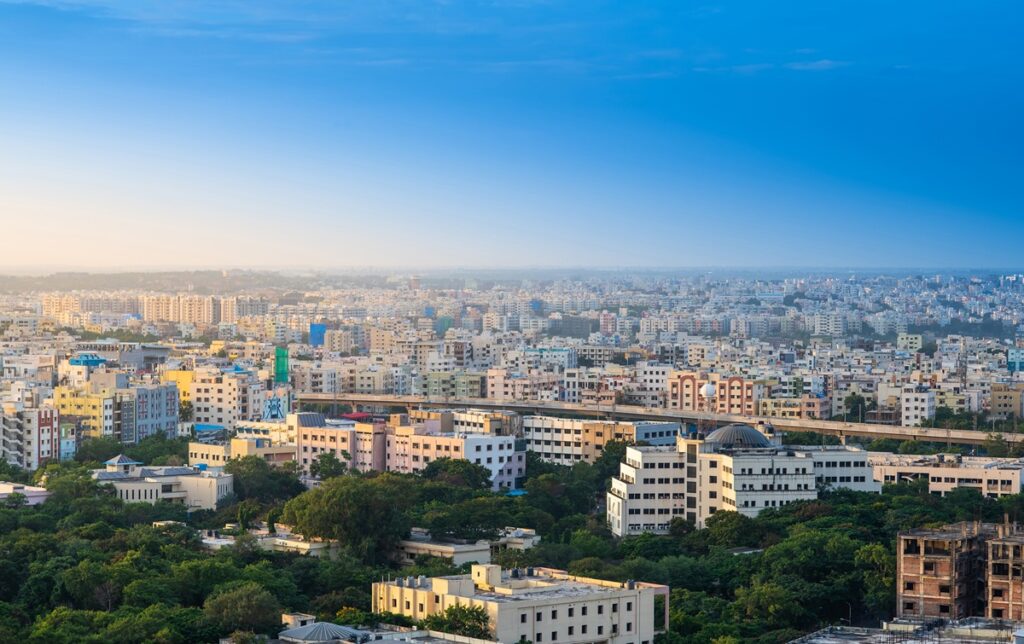
Gurgaon Is the First Choice

Thriving Corporate Ecosystem

Gurgaon is one of India’s largest business hubs and hosts thousands of national and international companies across technology, consulting, finance, healthcare, manufacturing, and professional services.

The city’s strong employment base creates sustained demand for quality housing, supporting both rental income and long-term property appreciation.

Excellent Connectivity

Connectivity remains one of Gurgaon’s greatest strengths. Residents enjoy seamless access to:

  • Delhi
  • IGI Airport
  • Cyber City
  • Udyog Vihar
  • Manesar
  • Sohna
  • Dwarka
  • Noida via major expressways

This accessibility enhances both liveability and investment potential.

Premium Lifestyle

Modern homebuyers increasingly seek experiences rather than just residences. Gurgaon offers:

  • International schools
  • Multi-speciality hospitals
  • Luxury shopping destinations
  • Five-star hotels
  • Fine dining
  • Golf courses
  • Entertainment hubs
  • Premium sports facilities

This lifestyle ecosystem continues to attract professionals, entrepreneurs, expatriates, and NRIs.

Why Gurgaon Outperforms Other Indian Cities

Choosing the right city is often the most important investment decision. While Bengaluru, Hyderabad, Pune, and Noida continue to perform well, Gurgaon offers a unique blend of luxury housing, infrastructure, and corporate growth.

ParameterGurgaonBengaluruHyderabadPuneNoida
Luxury Housing⭐⭐⭐⭐⭐⭐⭐⭐⭐⭐⭐⭐⭐⭐⭐⭐⭐⭐⭐⭐
Corporate Presence⭐⭐⭐⭐⭐⭐⭐⭐⭐⭐⭐⭐⭐⭐⭐⭐⭐⭐⭐⭐⭐⭐
Rental Demand⭐⭐⭐⭐⭐⭐⭐⭐⭐⭐⭐⭐⭐⭐⭐⭐⭐⭐⭐⭐⭐⭐
Infrastructure Growth⭐⭐⭐⭐⭐⭐⭐⭐⭐⭐⭐⭐⭐⭐⭐⭐⭐⭐⭐⭐
Airport Connectivity⭐⭐⭐⭐⭐⭐⭐⭐⭐⭐⭐⭐⭐⭐⭐⭐⭐⭐⭐⭐
Long-Term Appreciation⭐⭐⭐⭐⭐⭐⭐⭐⭐⭐⭐⭐⭐⭐⭐⭐⭐⭐⭐⭐

For NRIs seeking premium residential investments with strong appreciation potential, Gurgaon remains one of India’s most compelling markets.

Infrastructure Projects Driving Future Growth

Infrastructure development has played a significant role in Gurgaon’s transformation and continues to create new investment opportunities. Proper documentation is essential for a smooth property purchase. Read our guide on Documents Required for Property Registration to prepare in advance.

Infrastructure Projects Driving Future Growth

Dwarka Expressway

The Dwarka Expressway has emerged as one of the most important real estate corridors in NCR. Looking to build a long-term investment portfolio? Explore our Real Estate Investment Guide for practical strategies and market insights.

It has improved connectivity between Delhi and Gurgaon while opening up several high-potential residential sectors.

Key benefits include:

  • Faster airport connectivity
  • Reduced travel time
  • New commercial developments
  • Premium residential projects
  • Strong appreciation potential

Southern Peripheral Road (SPR)

SPR has become one of Gurgaon’s fastest-growing residential corridors due to improved connectivity and planned infrastructure. It offers:

  • Wide road network
  • Corporate connectivity
  • Premium residential communities
  • Future commercial developments
  • Excellent long-term growth prospects

Global City

The upcoming Global City project is expected to further strengthen Gurgaon’s position as an international business destination by creating integrated commercial, residential, and social infrastructure.

Luxury Housing Boom in Gurgaon

Luxury housing has become one of the defining features of Gurgaon’s real estate market. Today’s buyers are looking beyond square footage and focusing on lifestyle, wellness, privacy, and long-term value.

Futuristic city skyline with growth graph

Popular luxury features include:

  • Grand clubhouses
  • Infinity swimming pools
  • Sky lounges
  • Wellness centres
  • Fitness studios
  • Landscaped gardens
  • Children’s activity zones
  • Smart home technology
  • EV charging facilities
  • Multi-tier security systems

For NRIs, these developments provide not only a premium living experience but also stronger rental demand and better resale potential compared to conventional housing.

Explore premium Luxury Apartments in Gurgaon offering spacious layouts, modern amenities, and excellent connectivity across the city’s prime locations.

Why This Matters for NRI Investors

Gurgaon’s combination of premium housing, corporate growth, infrastructure expansion, and international connectivity makes it one of India’s most future-ready property markets. Whether your objective is wealth creation, rental income, or securing a luxury home for your family, the city offers investment opportunities across every stage of your financial journey.

In the next section, we’ll explore the best sectors in Gurgaon for NRI investment, current property price trends, rental yield opportunities, and practical tips to help you choose the right property.

Best Locations in Gurgaon for NRI Property Investment

Choosing the right location is one of the most important factors influencing long-term property appreciation and rental income. Gurgaon offers several high-growth micro-markets that cater to different investment goals, from luxury living to long-term wealth creation.

Looking beyond residential investments? Explore Commercial Property in Gurgaon for opportunities in retail spaces and commercial developments. Below are some of the most promising locations for NRI property investment in 2026.

Sector 84 – A Premium Destination on Dwarka Expressway

Sector 84 has emerged as one of New Gurgaon’s most desirable luxury residential destinations. Its strategic location near the Dwarka Expressway, proximity to NH-48, and seamless connectivity to Delhi and IGI Airport make it highly attractive for both end-users and investors.

Why invest in Sector 84?

  • Premium residential developments
  • Excellent connectivity to Dwarka Expressway
  • Rapidly improving social infrastructure
  • Strong appreciation potential
  • Growing demand from professionals and NRIs

For investors seeking spacious luxury apartments with long-term value, Sector 84 continues to be a preferred choice.

Book your Nandaka apartment

If you’re considering luxury living in Sector 84, explore Ganga Nandaka, a premium residential development located near the Dwarka Expressway

Sector 85 – High-Rise Luxury Living

Sector 85 is witnessing rapid transformation with the development of premium high-rise residential communities, wide roads, and modern infrastructure.

Key investment advantages include:

  • Luxury high-rise apartments
  • Excellent road connectivity
  • Increasing commercial development
  • Strong rental demand
  • Future appreciation potential

This sector is ideal for NRIs looking to invest in modern residences with premium amenities and long-term growth prospects.

Golf Course Road – Gurgaon’s Luxury Address

Golf Course Road remains one of the city’s most prestigious residential corridors. Home to premium developments, luxury retail, five-star hotels, and corporate offices, it continues to attract high-net-worth individuals and expatriates.

Investment highlights:

  • Established premium neighborhood
  • Excellent rental demand
  • Luxury lifestyle
  • High resale value
  • Strong corporate connectivity
Anantam 85

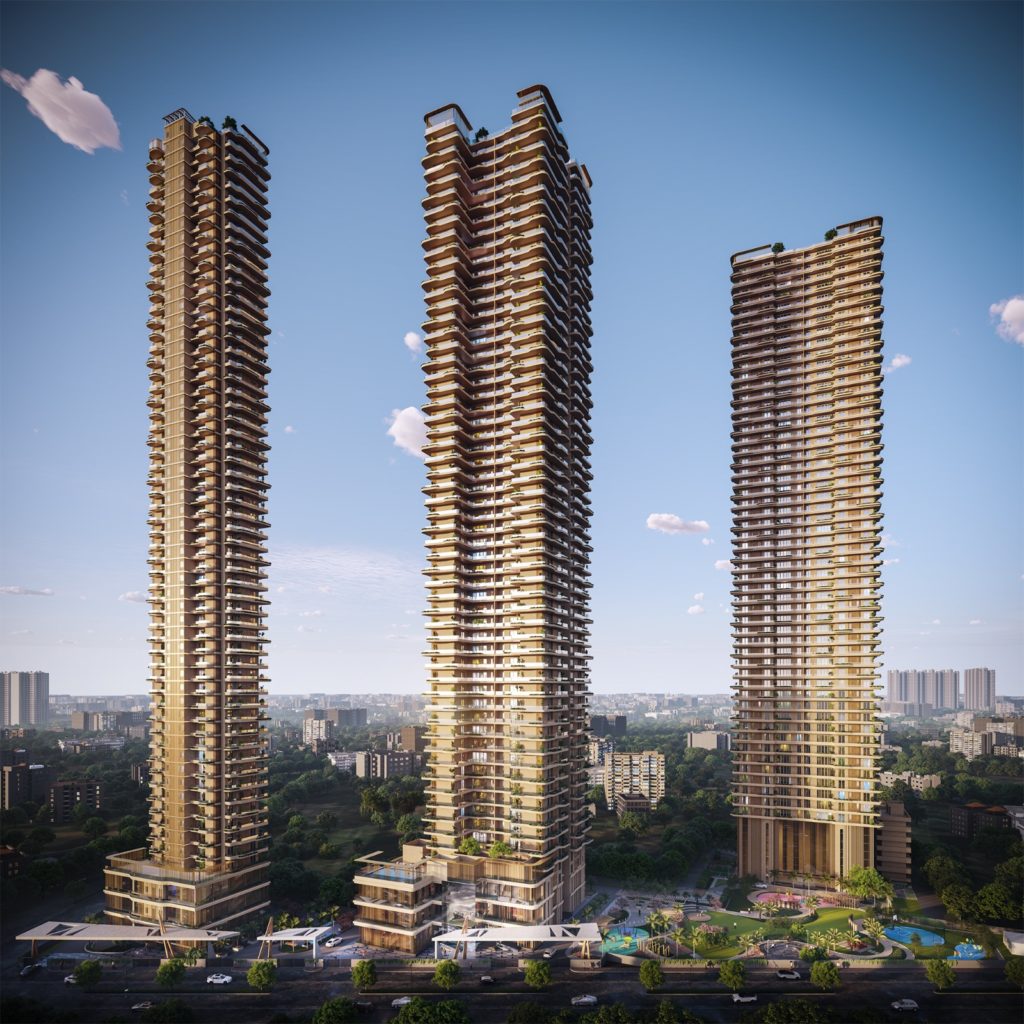
For buyers seeking iconic high-rise residences, Ganga Anantam in Sector 85 offers premium homes with excellent future appreciation potential.

Golf Course Extension Road

Golf Course Extension Road has evolved into a premium residential corridor offering a mix of luxury apartments and integrated developments.

Its improving infrastructure and connectivity make it an attractive option for long-term investors.

New Gurgaon

New Gurgaon has become one of the fastest-growing residential regions in NCR. Benefits include:

  • Planned infrastructure
  • Competitive pricing
  • Wide roads
  • Upcoming commercial hubs
  • Better urban planning
  • Long-term appreciation opportunities

For NRIs seeking future growth at comparatively lower entry prices, New Gurgaon remains an attractive investment destination.

Sohna – The Emerging Growth Corridor

Sohna is rapidly emerging as a promising investment destination due to major infrastructure projects and improved connectivity. Key growth drivers include:

  • Delhi-Mumbai Expressway
  • Sohna Elevated Road
  • Industrial expansion
  • Educational institutions
  • Future residential demand

The area offers excellent opportunities for investors with a long-term investment horizon.

Discover why Sohna is emerging as one of NCR’s fastest-growing investment destinations in our detailed Sohna Investment Guide.

Investment Checklist for NRIs

Before finalizing your investment, review the following checklist:

  • Verify RERA registration
  • Check the developer’s track record
  • Review legal approvals
  • Understand the payment schedule
  • Compare property prices
  • Evaluate future infrastructure
  • Estimate registration and maintenance costs
  • Check home loan eligibility
  • Assess rental demand
  • Define your exit strategy

A disciplined approach helps reduce risk and improves long-term investment outcomes. Under-construction properties often provide better entry prices and higher appreciation potential. Learn more about the Benefits of Investing in Under-Construction Projects.

Common Mistakes NRIs Should Avoid

Many investors focus solely on price while overlooking important investment fundamentals.

Investor_reviewing_real_estate

Avoid these common mistakes:

  • Buying without legal verification
  • Ignoring RERA registration
  • Choosing location based only on price
  • Not evaluating rental demand
  • Investing with unknown developers
  • Ignoring future infrastructure plans
  • Failing to understand taxation
  • Not planning an exit strategy
  • Overlooking maintenance costs
  • Making emotional rather than financial decisions

Careful planning and professional guidance can help you maximize returns while minimizing investment risks.

Why NRIs Choose Ganga Realty for Property Investment

Selecting the right developer is just as important as choosing the right location. A reputed developer not only delivers quality construction but also provides transparency, timely project delivery, premium amenities, and long-term value.

Ganga Realty has established itself as one of Gurgaon’s leading real estate developers by creating thoughtfully designed residential communities that combine luxury, sustainability, and modern lifestyles.

Whether you’re looking for a luxury apartment, a family home, or a long-term investment, Ganga Realty offers projects in some of Gurgaon’s fastest-growing sectors.

Ganga Nandaka – Luxury Living in Sector 84

Located in Sector 84, Gurgaon, Ganga Nandaka is designed for homebuyers seeking spacious residences, elegant architecture, and excellent connectivity.

Project highlights include:

  • Spacious 3 & 4 BHK luxury residences
  • Prime location near Dwarka Expressway
  • Large landscaped open spaces
  • Premium clubhouse and wellness facilities
  • Modern architecture
  • Excellent connectivity to Delhi and IGI Airport

The project’s strategic location and premium positioning make it an attractive option for both end-users and NRI investors seeking long-term appreciation.

Ganga Anantam – Iconic High-Rise Living in Sector 85

Ganga Anantam is among Gurgaon’s landmark luxury developments, offering premium high-rise residences with world-class amenities.

Highlights include:

  • Premium luxury apartments
  • Contemporary architecture
  • Excellent connectivity
  • Smart lifestyle amenities
  • Clubhouse and wellness spaces
  • Future-ready infrastructure

Its location within New Gurgaon positions it well for future appreciation as surrounding infrastructure continues to develop.

Future Outlook: Gurgaon Real Estate (2026–2035)

The long-term outlook for Gurgaon remains positive, supported by continued infrastructure investment, economic growth, and increasing demand for premium residential communities.

Key growth drivers include:

  • Expansion of Dwarka Expressway
  • Development of Global City
  • Metro network expansion
  • Growth of Global Capability Centres (GCCs)
  • Increasing presence of Fortune 500 companies
  • Strong office space absorption
  • Expansion of luxury residential developments
  • Improved regional connectivity

As these developments mature over the coming decade, Gurgaon is expected to remain one of India’s strongest residential investment destinations. Learn more about the Gurgaon Real Estate Market Forecast 2026–2030.

Explore Premium Investment Opportunities with Ganga Realty

If you’re planning to invest in Gurgaon, explore Ganga Realty’s thoughtfully designed residential communities located in some of the city’s fastest-growing sectors.

Whether you’re looking for a luxury residence, a future retirement home, or a high-potential investment, our team can help you identify the right opportunity based on your goals.

anantam85

Anantam 85

Ultra-luxury residences on Dwarka Expressway offering expansive green spaces and world-class amenities.

View Project

nandaka84

Nandaka 84

Modern residential community in New Gurgaon designed for connectivity, comfort, and lifestyle.

View Project
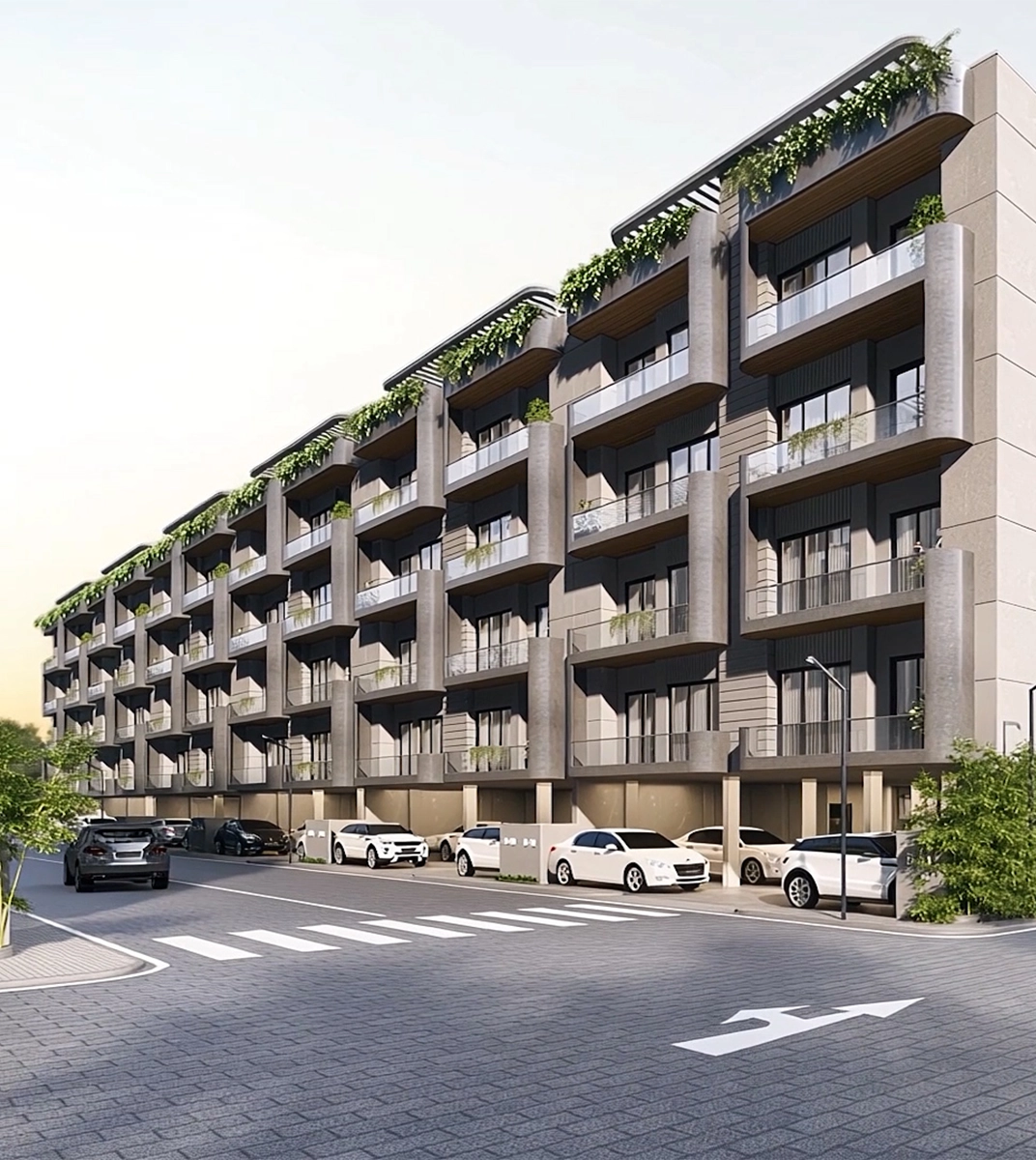
kashi-residences

Ganga Kashi Residences

Premium residential development offering peaceful living with contemporary amenities.

View Project
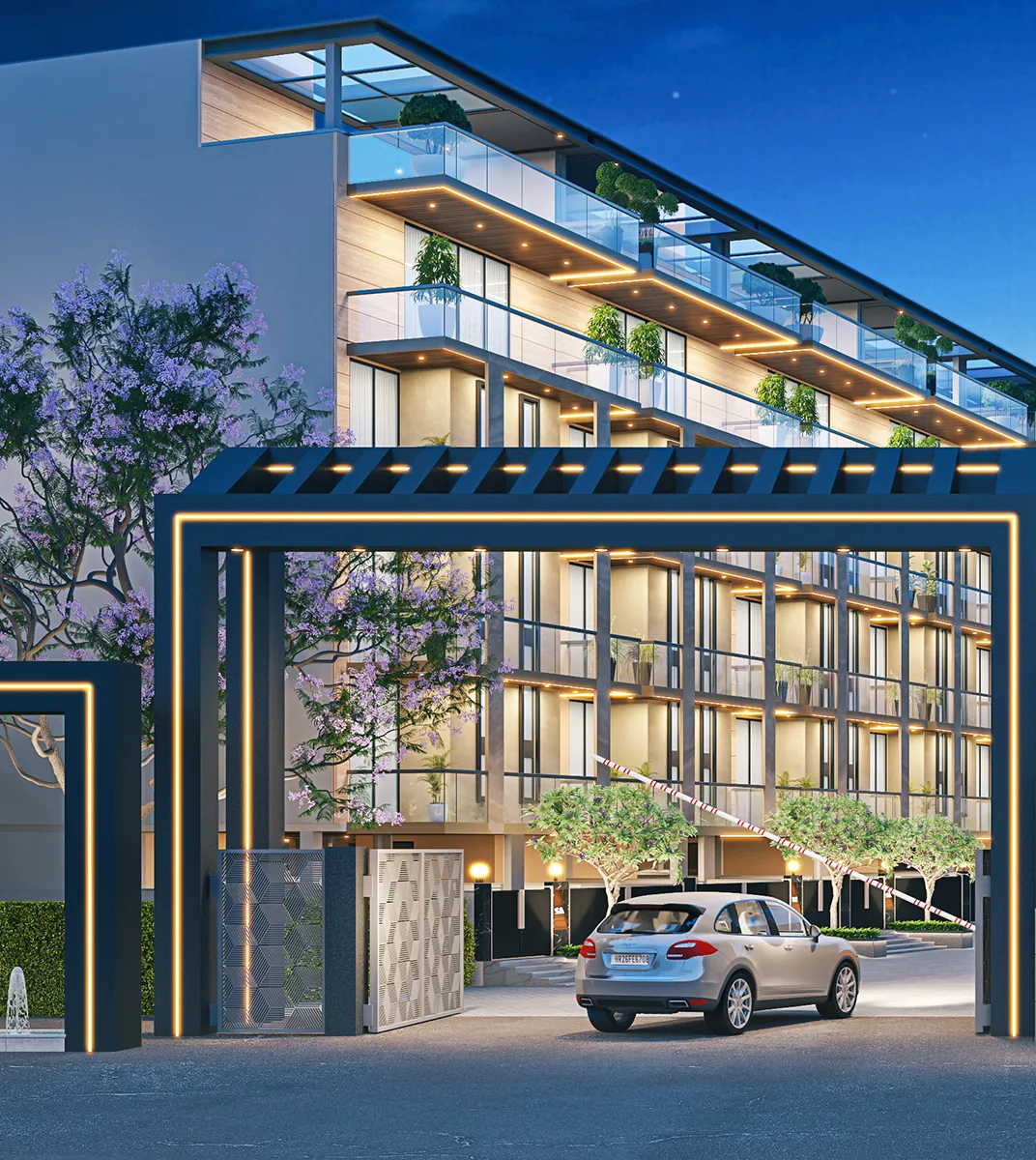
ganga-valley

Ganga Valley 78

Integrated township living with lush green spaces and a complete lifestyle ecosystem.

View Project

Final Thoughts

Gurgaon has evolved into one of India’s most dynamic and future-ready real estate markets. With world-class infrastructure, a thriving corporate ecosystem, premium residential developments, and excellent connectivity, it continues to attract both domestic and international investors.

For NRIs seeking long-term wealth creation, stable rental income, or a future home in India, Gurgaon offers a compelling combination of lifestyle and investment potential.

Explore the complete portfolio of Ganga Realty Projects to discover thoughtfully designed residential communities in Gurgaon’s most promising locations.

By conducting thorough research and investing in quality developments located in high-growth micro-markets, NRIs can build a resilient real estate portfolio while benefiting from India’s continued economic and infrastructure growth.

FAQs About Investment in Gurgaon

Yes, under FEMA regulations, NRIs can buy both residential and commercial properties in Gurgaon, except agricultural land, plantation property, or farmhouses.

NRIs can claim tax deductions on home loan interest, principal repayment, and benefit from rental income. India also has Double Tax Avoidance Agreements (DTAA) with many countries to avoid double taxation.

Prime investment hotspots for NRIs include Sectors 78, 84, 85, and 89—all offering excellent connectivity, modern infrastructure, and premium residential projects by trusted developers like Ganga Realty.

Ganga Realty is one of the best real estate builders in Gurgaon, known for quality construction, timely delivery, and RERA-compliant projects like Anantam 85, Nandaka 84, Valley 78, and Liv89—perfect for NRIs seeking transparency and long-term value.


Enquire Now

Recent Posts

East Facing House Vastu Plans for a Peaceful Life
17 September 2026|15 Minutes Read

East Facing House Vastu Plans for a Peaceful Life

📌 Quick Answer An east facing house is one of the most sought-after orientations in Vastu Shastra, associated with the rising sun, positive energy, and new beginnings. With the main entrance correctly placed, the kitchen in the southeast, and the master bedroom in the southwest, an east-facing home is believed to support health, prosperity, and mental peace. Introduction Stand at your main door, face outward as if stepping out, and check which direction you're looking. If it's east, you live in an east-facing house — and according to Vastu Shastra, you've inherited one of the most favourable orientations in Indian real estate. East-facing homes are consistently in demand across Delhi NCR, Gurgaon, Mumbai, and Bengaluru. The reason isn't just tradition — it's also practical. The east is the direction of the rising sun, and Vastu Shastra has associated it with health, clarity, and new beginnings for centuries. But an east-facing plot alone doesn't guarantee good Vastu. The placement of the main door, kitchen, bedrooms, and pooja room within that east-facing structure matters just as much as the orientation itself. This guide walks through the complete east facing house Vastu plan — from the basics to a room-by-room layout you can actually use. For broader guidance beyond orientation, see our Vastu tips for new homes — this guide focuses specifically on east-facing layouts. What Is an East Facing House? An east-facing house is one where the main entrance door faces east — not the road, not the largest window, and not the direction the plot itself runs. To confirm your home's facing: Stand inside your house at the main door, facing outward as though about to step out. Use a compass (or a phone compass app) rather than judging by the sun, since east and north are only 90 degrees apart and easy to misjudge. Confirm you're reading the main entrance, not a side door or balcony. Is an East Facing House Good According to Vastu? Yes — Vastu Shastra regards the east as one of the most auspicious directions for a home, second only to the northeast in overall favourability. Here's the reasoning Vastu Shastra gives: The east is ruled by Lord Indra, associated with authority, power, and good fortune. The rising sun in the east symbolises the removal of darkness and negativity, and is linked to health, vitality, and clarity of thought. An open, well-lit east side — both on the plot and inside the home — allows morning sunlight and positive energy to enter freely. The northeast corner (where north meets east) is the most sacred zone in the home, ideal for a pooja room or meditation space. Looking beyond east-facing properties specifically? Read our companion guide, How to Choose the Best Facing House as per Vastu, for a comparison across all major directions, or see our North Facing House Vastu guide if you're weighing both options. Common Myths About East-Facing Houses East-facing houses are often considered desirable in India, particularly because Vastu Shastra traditionally gives importance to the east direction. However, several popular beliefs about east-facing homes are oversimplified or misunderstood. The direction of the main entrance is only one factor; the actual layout, ventilation, natural light, room placement, site conditions and personal preferences also matter. MythReality"Every east-facing house is automatically lucky"The direction is favourable, but room placement, entrance position, and construction details still determine whether a home is truly Vastu-compliant."East-facing homes get too much heat"East-facing homes receive morning sun, which is gentle and warming — not the harsh afternoon sun that west-facing homes contend with."Only priests or spiritual families should choose east-facing homes"East-facing houses suit salaried professionals, business owners, and families alike — the Indra association relates to authority and success broadly."The whole east side of the plot must be left empty"What matters is that the east side stays lighter and more open than the south and west — a boundary wall or low landscaping is fine."An east-facing kitchen is ideal since it faces the sun"The kitchen should still be positioned in the southeast per Vastu, regardless of the house's overall facing."East facing is only about the entrance"Entrance direction sets the foundation, but room-wise placement — bedroom, kitchen, pooja room — is equally important for a Vastu-compliant home. An east-facing house can offer advantages such as the potential for pleasant morning light, but "east-facing" does not automatically mean perfect, nor does another orientation automatically mean unsuitable. The quality of a home ultimately depends on its design, planning, construction, surroundings and how well it meets the homeowner's requirements. Benefits of an East-Facing House East-facing houses are popular among many Indian homebuyers because the east direction receives the morning sun. Beyond traditional Vastu preferences, an east-facing home can also offer practical benefits when it is well planned and designed. 1. Health and Vitality Morning sunlight is rich in vitamin D and considered energising rather than harsh. Vastu practitioners associate consistent morning light with better sleep cycles, improved mood, and overall wellbeing for residents. 2. Positive Energy and New Beginnings The rising sun in the east is a universal symbol of fresh starts. Vastu Shastra holds that this energy, entering the home through a well-placed east entrance, supports clarity, motivation, and forward momentum for the household. 3. Career and Authority The east's association with Lord Indra — the king of the gods — is linked to leadership, authority, and professional recognition. Many buyers evaluating east-facing homes cite career growth as a key consideration. 4. Comfortable Natural Light Unlike west-facing homes, which absorb intense afternoon heat, east-facing homes receive their strongest light in the morning, when temperatures are cooler — a practical advantage in Gurgaon's hot summers. 5. Strong Resale and Rental Demand North and east-facing homes are consistently preferred by Vastu-conscious buyers in the NCR market. This demand asymmetry — Vastu-focused buyers will only shortlist certain facings, while others are indifferent — tends to support long-term resale value. East Facing House Vastu Tips — Room by Room For homeowners who follow Vastu Shastra, an east-facing house is often considered a favourable orientation because the east is associated traditionally with the rising sun. However, Vastu guidelines can vary across traditions and practitioners, so they are best treated as traditional planning preferences rather than scientifically established rules. Here is a practical room-by-room guide: Main Entrance The main entrance is the single most important Vastu element in an east-facing home. As with any direction, the east wall is conceptually divided into eight to nine energy zones (Pada), and not every position is equally favourable. Practical guidance for the entrance: The most auspicious entrance positions fall in the northern half of the east wall, closer to the northeast corner. Avoid placing the entrance in the extreme south of the east wall, closer to the southeast corner. Keep the entrance well-lit, clean, and free of clutter or shoes. A wooden main door, opening inward, is preferred over metal. Auspicious symbols (Om, Swastika) at the threshold are considered beneficial. Living Room Place the living room in the north, east, or northeast zone — this positions your primary social space directly in the home's energy-receiving area. Keep heavier furniture along the south and west walls. Leave the northeast corner of the living room open and uncluttered. Light, warm colours — white, cream, light yellow — work well with an east-facing home's natural light. Master Bedroom The master bedroom belongs in the southwest, regardless of the home's overall facing — this holds true for east-facing homes as it does for any other orientation. Sleep with your head pointing south or east. Avoid placing the master bedroom in the northeast, which is considered too energetically active for restful sleep. Guest bedrooms and children's rooms work well in the northwest. Kitchen The southeast corner — governed by Agni, the fire element — is the ideal kitchen location in an east-facing home. The cook should face east while cooking, meaning the stove should be positioned on the east wall of the kitchen. Never place the kitchen in the northeast — this is considered a serious Vastu defect in any home. Keep the stove (fire) and sink (water) on separate walls. Pooja Room The northeast corner is the most sacred zone in any home, and it's naturally energised in an east-facing house. Idols should face west (so the worshipper faces east) — a particularly strong alignment in an east-facing home. Avoid placing the pooja room under a staircase or adjacent to a bathroom. Keep the space bright, ventilated, and minimal. Bathroom and Toilet Bathrooms should be positioned in the northwest or west. Never place a toilet in the northeast — this remains one of the most significant Vastu defects regardless of house facing. Common bathrooms work well in the northwest zone. Staircase The staircase is best placed in the south, southwest, or west, rising from north to south or east to west. Avoid the northeast and the centre of the home (Brahmasthan) for staircase placement. The space beneath the stairs is suited to storage, not a kitchen, bedroom, or pooja room. Study or Home Office The east or northeast is well-suited to a study or home office in an east-facing house — the room's placement mirrors the home's overall orientation. Face east or north while working or studying for best results. Ensure the desk has natural light from an east-facing window. Balcony and Open Spaces Balconies, gardens, and open spaces belong on the east or north side. Keep the east side of the plot lighter and lower than the south and west. Avoid tall trees or heavy structures on the east side that could block morning sunlight. East Facing House Vastu Plan — Example Layouts Plot dimensions vary, but the underlying Vastu logic — heavier zones in the south/west, open zones in the north/east — stays consistent. Here's how it typically translates across common Indian plot sizes: Plot SizeApprox. AreaLayout Approach30x40 ft~1,200 sq. ft.The most common east-facing layout for a 2 BHK or compact 3 BHK. Entrance in the north half of the east wall; kitchen southeast; master bedroom southwest; pooja room northeast.30x60 ft~1,800 sq. ft.The extra depth allows a front garden on the east side, a larger living room in the north, and additional storage in the southwest.40x60 ft~2,400 sq. ft.Suited to a duplex layout — ground floor for living, kitchen, and a guest bedroom; first floor for the master bedroom (southwest) and children's rooms (northwest). As with any Vastu plan, the exact layout should be adapted to your specific plot, local building regulations, and structural requirements — treat this as a starting framework rather than a fixed blueprint. Before finalising a plot size, check your property's exact usable space with our carpet area calculator — it's a useful companion when mapping any of the layouts above onto a real plot." East Facing House Vastu — Dos and Don'ts ElementDoDon'tVastu ImpactMain EntrancePlace it in the northern half of the east wall.Avoid the extreme southeast corner.Affects the flow of positive energy and opportunity into the home.East Side of PlotKeep it open, light, and clutter-free.Avoid heavy structures or tall trees blocking morning sun.Preserves the energising quality of morning sunlight.Master BedroomPlace it in the southwest.Avoid the northeast.Southwest supports stability and restful sleep.KitchenPosition it in the southeast, cook facing east.Avoid the northeast.Keeps the fire element in its correct zone.Pooja RoomPlace it in the northeast, idols facing west.Avoid under staircases or next to bathrooms.The northeast is the most sacred zone in the home.StaircaseBuild in the south, southwest, or west.Avoid the northeast and the home's centre.Prevents obstruction of the home's core energy zone.Living RoomKeep it in the north or northeast.Avoid clutter and dark interiors.Encourages positivity and natural light. Common Vastu Mistakes in East-Facing Houses An east-facing house is often preferred by homebuyers who follow Vastu Shastra. However, simply choosing an east-facing property does not automatically mean the entire home follows Vastu principles. The entrance, room placement, proportions, openings and overall layout are also considered important in traditional Vastu planning. Here are some commonly discussed Vastu mistakes in east-facing houses: Entrance Too Close to the Southeast: Placing the main door too far south along the east wall shifts it away from the auspicious zone and closer to the fire-associated southeast — a common and avoidable error. Kitchen in the Northeast: As with any home, placing the kitchen in the northeast is one of the most frequent and serious Vastu mistakes — it introduces the fire element into the home's most sacred zone. Blocked East Side: Tall boundary walls, dense trees, or permanently parked vehicles on the east side block the very morning sunlight that makes east-facing homes desirable in the first place. Master Bedroom in the Northeast:Regardless of the home's facing, placing the master bedroom in the northeast is considered too energetically active for good sleep — the southwest remains the correct position. Cluttered Entrance: Even a well-positioned east-facing entrance loses much of its benefit if it's cluttered with shoes, dustbins, or dim lighting. East Facing House Vastu Remedies If structural changes aren't possible, Vastu offers practical fixes for existing issues: IssueRemedyEntrance in the Southeast ZonePlace a Vastu pyramid or Swastika symbol above the door; keep the area well-lit and welcoming.Kitchen in the NortheastUse a copper plate or Vastu pyramid beneath the stove; repaint the kitchen in warm, earthy tones.Master Bedroom in the NortheastUse grounding colours such as deep blue or teal; sleep with your head facing south.Blocked East SideKeep the area as clutter-free as possible; add lighting or a small water feature to restore energy flow.Toilet in the NortheastKeep it clean and dry, door closed, with a bowl of sea salt replaced weekly. Why Homebuyers Prefer East-Facing Properties For homeowners who follow Vastu Shastra, certain remedies are traditionally suggested when an east-facing house is believed to have a layout-related Vastu concern. These remedies are generally intended to improve the perceived balance of spaces without requiring major structural changes. It is useful to distinguish traditional Vastu practices from scientifically established effects: there is no scientific evidence that Vastu remedies directly cause changes in health, wealth or fortune. They can instead be viewed as cultural or personal practices. The demand for east-facing homes isn't purely traditional — it has measurable, practical drivers: Market demand: In cities like Gurgaon, Noida, and Mumbai, east and north-facing flats consistently draw higher enquiries, particularly among Vastu-conscious buyers who actively filter listings by facing. Practical comfort: Morning sunlight keeps interiors naturally lit through the day without the intense afternoon heat that west-facing homes absorb — a meaningful advantage during Gurgaon's summer months. Resale strength: Vastu-compliant orientations tend to hold their resale appeal better, since Vastu-focused buyers will only shortlist certain facings while others remain indifferent. Orientation is one of several key decisions when buying a home that homebuyers in Gurgaon weigh alongside location, budget, and builder reputation." As a leading real estate developer in Gurgaon, Ganga Realty factors these orientation preferences into its residential planning across its portfolio. Buyers exploring options in New Gurgaon can consider Nandaka in Sector 84, a modern residential community designed for connectivity and lifestyle; Anantam 85, an ultra-luxury high-rise development on Dwarka Expressway; Ganga Valley in Sector 78, an integrated township with extensive green spaces; and Ganga Kashi Residences in Sector 89, offering premium residences in a peaceful setting. Conclusion An east-facing house brings together tradition and practicality in a way few other orientations do — the symbolism of the rising sun, paired with genuinely comfortable morning light and strong resale demand. But orientation is only the starting point. The placement of the entrance within the east wall, the kitchen in the southeast, the master bedroom in the southwest, and a clutter-free approach to the home's most important zones all determine whether an east-facing house truly delivers a peaceful, prosperous living environment. As a leading real estate developer in Gurgaon, Ganga Realty designs its residential communities with these considerations in mind — so homebuyers don't have to choose between modern luxury and Vastu-aligned living. Looking for a Vastu-compliant home in Gurugram? Explore Ganga Realty's premium residential projects to find a home that balances comfort, positive energy, and long-term value. Anantam 85 Ultra-luxury residences on Dwarka Expressway offering expansive green spaces and world-class amenities. Nandaka 84 Modern residential community in New Gurgaon designed for connectivity, comfort, and lifestyle. Ganga Kashi Residences Premium residential development offering peaceful living with contemporary amenities. Ganga Valley 78 Integrated township living with lush green spaces and a complete lifestyle ecosystem.

Read More
How India’s New Smart Industrial Cities Could Transform the Property Market
16 September 2026|11 Minutes Read

How India’s New Smart Industrial Cities Could Transform the Property Market

India is entering a new phase of infrastructure-led urban development. From expressways and airports to industrial corridors and integrated townships, the geography of growth is changing rapidly. One of the most significant developments is the government's push towards smart industrial cities under the National Industrial Corridor Development Programme (NICDP). In August 2024, the Union Cabinet approved 12 new industrial nodes and cities across India with an estimated investment of ₹28,602 crore. The projects are designed around integrated infrastructure, plug-and-play industrial facilities, multimodal connectivity and the "walk-to-work" concept. For India's real estate sector, the implications could extend well beyond industrial land. As manufacturing, logistics and businesses establish themselves around these emerging hubs, they can create employment, attract population and increase demand for housing, rentals, retail, offices, warehouses and social infrastructure. As infrastructure and employment opportunities continue to reshape the NCR, Gurgaon real estate remains closely connected to the city's expanding business and residential ecosystem. For developers such as Ganga Realty, the evolution of New Gurgaon and its surrounding infrastructure corridors provides an important example of how residential development can align with a broader economic and urban transformation. What Are Smart Industrial Cities? Smart industrial cities are planned economic and urban development hubs that combine industrial infrastructure with modern urban planning. Unlike conventional industrial estates, the objective is to create integrated ecosystems where businesses can access: Industrial land Roads and transportation Utilities Logistics infrastructure Digital connectivity Commercial facilities Residential development Social infrastructure Sustainable urban systems The NICDP is designed to create industrial nodes with world-class infrastructure and ready-to-use facilities intended to attract investment and manufacturing activity. The broader objective is not simply to build factories. It is to create economic centres around which cities and communities can develop. And that is where real estate becomes an important part of the story. India's New Industrial Cities Under NICDP The 12 new industrial cities approved under the NICDP span multiple states and industrial corridors. They include industrial nodes in: Haryana Uttar Pradesh Rajasthan Punjab Maharashtra Kerala Bihar Telangana Andhra Pradesh Uttarakhand The approved projects include IMC Hisar in Haryana, IMC Agra and IMC Prayagraj in Uttar Pradesh, Jodhpur-Pali-Marwar in Rajasthan, Rajpura-Patiala in Punjab and other industrial areas across the country. The programme has also moved from approval toward execution. As of February 2026, SPVs had been established for all 12 projects, with EPC contractors appointed for nine. More recently, the Economic Survey 2025–26 reported that Phase-I NICDP cities had already attracted ₹2.02 lakh crore in investment, creating jobs in high-growth sectors including EVs and semiconductors. The Union Budget 2026–27 backed this further with a ₹3,000 crore allocation to the National Industrial Corridor Development and Implementation Trust (NICDIT) and the announcement of a new Integrated East Coast Industrial Corridor, adding a Durgapur node to the programme's reach. This progression matters because the real estate impact of infrastructure is generally tied to actual implementation, connectivity and economic activity — not announcements alone. Why Industrial Development Matters to Real Estate Real estate growth is closely connected with economic activity. A simple relationship can be illustrated as: Industrial Investment ↓ Businesses & Manufacturing ↓ Employment ↓ Population Movement ↓ Housing Demand ↓ Retail & Commercial Development ↓ Urbanisation When companies establish operations in a particular region, employees and supporting businesses often need places to live, work and operate. This can create demand for multiple property categories. Residential Apartments Plotted developments Builder floors Rental housing Affordable housing Premium residences Commercial Offices Retail Restaurants Hotels Business centres Industrial & Logistics Warehouses Distribution centres Industrial sheds Logistics parks Ancillary manufacturing facilities This is why industrial infrastructure can influence the broader property ecosystem. How Industrial Growth Can Influence Housing Demand Employment is one of the most important long-term drivers of housing demand. Consider a hypothetical industrial hub that attracts thousands of employees. Those employees need homes. Some may rent initially. Others may eventually purchase. As families move into the area, demand can expand towards: Schools Hospitals Shopping centres Restaurants Parks Entertainment Fitness facilities Public transportation Over time, an industrial centre can therefore become part of a larger urban ecosystem. However, this process is not automatic. The scale of the effect depends on factors such as the number of jobs created, the quality of infrastructure, connectivity, housing supply and the pace at which supporting amenities develop. What This Could Mean for Gurgaon Gurgaon, or Gurugram, provides an interesting example of how employment and infrastructure can influence residential development. The city has evolved from a satellite town into one of India's major corporate and commercial centres. Its residential geography has expanded alongside business districts, highways, expressways and emerging infrastructure corridors. Today, New Gurgaon is an important part of this broader development story. Areas around sectors such as 78, 84, 85 and 89 have increasingly become part of the city's expanding residential landscape. The connection between infrastructure and housing is particularly visible around major corridors such as: Dwarka Expressway NH-48 Southern Peripheral Road Sohna Road Golf Course Extension Road Delhi-Mumbai Expressway connectivity For homebuyers, the significance of these corridors is not simply travel convenience. They influence access to employment centres, education, healthcare, retail and other urban infrastructure. New Gurgaon and the Changing Geography of Gurugram New Gurgaon is developing as a broader residential ecosystem supported by major transportation links and expanding social infrastructure — creating room for larger residential communities built around open spaces, modern amenities, landscaped environments and wellness facilities. Ganga Realty's residential portfolio sits inside this shift, with developments across four New Gurgaon locations: Nandaka 84 (Sector 84): Positioned near Dwarka Expressway and NH-48, offering 3, 4 and 5 BHK residences and penthouses built around spacious layouts, greenery and wellness amenities. Anantam 85 (Sector 85): An ultra-luxury high-rise development reaching up to 60 storeys, with multiple clubhouses, a business centre, wellness amenities and AI-enabled home features. Ganga Valley 78 (Sector 78): Integrated township living with lush green spaces and a complete lifestyle ecosystem. Ganga Kashi Residences (Sector 89): Premium residential development offering peaceful living with contemporary amenities. Together, these projects illustrate a broader shift in how modern homebuyers evaluate location — not by distance from a central business district alone, but through a combined lens: Home + Connectivity + Work + Lifestyle + Social Infrastructure Anantam 85 Ultra-luxury residences on Dwarka Expressway offering expansive green spaces and world-class amenities. Nandaka 84 Modern residential community in New Gurgaon designed for connectivity, comfort, and lifestyle. Ganga Kashi Residences Premium residential development offering peaceful living with contemporary amenities. Ganga Valley 78 Integrated township living with lush green spaces and a complete lifestyle ecosystem. The company's projects illustrate how luxury residential projects is increasingly being planned around the evolving infrastructure and lifestyle ecosystem of New Gurgaon. Connectivity as a Driver of Property Demand Industrial and residential development share one common requirement: connectivity. For industries, it determines how efficiently goods, employees and materials move. For residents, it shapes daily commuting and access to social infrastructure. This is why major infrastructure corridors influence the development pattern of surrounding areas. Gurgaon's Dwarka Expressway and NH-48 connect residential areas with wider regional networks, while the Southern Peripheral Road provides an important east-west link across the city. Nandaka 84 and Anantam 85 both sit within New Gurgaon's connectivity ecosystem — though buyers should always distinguish between existing infrastructure and proposed infrastructure when evaluating a location. The development of major corridors such as Dwarka Expressway is also changing how homebuyers evaluate connectivity and residential locations across New Gurgaon. Industrial Growth, Employment and Rental Housing Industrial cities can also influence rental housing. Employees relocating for work may initially prefer renting instead of purchasing a property. This can create demand for: 1 BHK apartments 2 BHK apartments 3 BHK apartments Co-living accommodation Serviced residences Employee housing As employment ecosystems mature, some renters may transition into homeowners. This creates a potential pathway from: Employment → Rental Demand → Residential Ownership Gurgaon has already demonstrated how employment-led migration can influence residential and rental markets. The city's large corporate ecosystem has created sustained demand for housing across multiple segments. The development of additional industrial and logistics hubs around the NCR could add another layer to this regional employment and housing network. Logistics and Commercial Real Estate The impact of industrial cities will not be limited to housing. Manufacturing requires logistics. Logistics requires warehouses and distribution centres. Businesses require commercial spaces. Employees require retail and services. This creates a broader property ecosystem. Industrial development can therefore potentially stimulate demand for: Industrial + Logistics + Commercial + Residential Real Estate For Gurgaon and the wider NCR, this is particularly relevant because the region is already one of India's major corporate, logistics and consumption markets. The continued development of industrial and logistics infrastructure around the NCR can further strengthen the importance of connectivity between Gurgaon, Manesar, Delhi, Haryana and neighbouring economic centres. Why Tier-2 and Emerging Cities Could Benefit One of the most significant consequences of India's industrial corridor strategy could be the emergence of new economic centres outside established metropolitan markets. Industrial projects such as IMC Hisar in Haryana and industrial nodes in Uttar Pradesh, Rajasthan, Punjab and other states could support more distributed economic growth. As these locations attract businesses and employment, surrounding real estate markets could gradually develop. The potential chain is: Industrial Hub → Employment → Population → Housing → Retail → Social Infrastructure → Urbanisation This could create new property markets while reducing the concentration of economic activity in a limited number of metropolitan areas. What Property Buyers Should Watch Infrastructure-led real estate growth requires careful evaluation. If you're considering a property near an emerging industrial or infrastructure corridor, weigh the fundamentals rather than future expectations alone: Actual Connectivity: Check existing roads, highways, rail connectivity and public transportation. Employment Creation: Confirm companies are actually establishing operations and generating jobs. Infrastructure Execution: Distinguish between announced, under-construction and operational infrastructure. Residential Supply: Study how much housing is already available versus planned. Social Infrastructure: Schools, hospitals, retail and recreational facilities shape long-term liveability. Rental Demand: Growing rental demand signals employment-driven population growth. Regulatory Approvals: Always verify project approvals, RERA registration, title documentation and other permissions. Before making a property decision, buyers should also compare property rates in Gurgaon across different sectors and understand how location, connectivity and infrastructure influence pricing. The Future of Gurgaon Real Estate The future of Gurgaon is increasingly connected to the larger NCR economic ecosystem. The city's evolution is no longer driven by one road, one business district or one residential sector. Instead, multiple factors are interacting: Corporate Growth Industrial Development Logistics Expressways Metro & Public Transport Residential Development Social Infrastructure Together, these factors can influence the city's next phase of urbanisation. Ganga Realty's developments in New Gurgaon provide one example of how residential projects are being created within this changing landscape. From Nandaka 84 in Sector 84 to Anantam 85 in Sector 85, Ganga Realty is developing residential addresses within an area where infrastructure, connectivity and urban expansion are reshaping the residential market. Other Ganga Realty developments, including Ganga Valley 78 and Ganga Kashi Residencies in Sector 89, further extend the company's residential presence across Gurgaon. Conclusion India's smart industrial cities could become important catalysts for the country's next phase of economic and urban development. The ₹28,602 crore programme across 12 new industrial cities represents a significant push toward integrated manufacturing and infrastructure — and as implementation progresses, the resulting employment, logistics and connectivity networks could influence surrounding urban markets. For real estate, the opportunity may not come directly from industrial land itself, but from everything that develops around it: jobs, homes, retail, schools, healthcare, logistics, commercial spaces and better connectivity. Gurgaon's transformation into a major corporate and residential destination offers a working example of this interconnected model — and as New Gurgaon continues to evolve, projects like Nandaka 84 and Anantam 85 represent the residential side of that larger story. For homebuyers, the key is to look beyond a property's immediate surroundings and understand the larger ecosystem of connectivity, employment, infrastructure, liveability and urban planning that shapes a location over the long term.

Read More

Luxury Living In Gurugram

Discover thoughtfully designed residences that blend modern architecture,
premium amenities, and sustainable living in the heart of the city.

--> -->