When buying an apartment or comparing residential properties, you’ll often come across terms like carpet area, built-up area, and super built-up area. While these terms may sound similar, they represent different measurements—and understanding the difference can help you make a smarter property investment.
Many homebuyers unknowingly compare apartments based on the super built-up area, even though the actual usable living space is measured by the carpet area. This misunderstanding can lead to incorrect price comparisons and unrealistic expectations.
To simplify the process, use our Carpet Area Calculator to estimate the usable floor space in your home. This guide also explains the RERA definition of carpet area, the calculation formula, practical examples, and the key differences between carpet area, built-up area, and super built-up area.
Before purchasing a property, it’s important to understand the fundamentals of property selection, budgeting, and market trends. Explore our Real Estate Investment Guide to make informed buying decisions.
Carpet Area = Built-up Area × 0.7
Built-up Area = Carpet Area ÷ 0.7
Use a carpet area calculator to easily estimate how much usable space you’ll get in a property. Ideal for homebuyers, real estate agents, and investors.
Carpet Area Calculator
Use the calculator below to estimate the total usable floor area inside your apartment.
Carpet Area Calculator
Enter any 1 value to calculate the other
Enter the usable area of each room:
- Living Room
- Master Bedroom
- Bedroom 2
- Bedroom 3 (if applicable)
- Kitchen
- Bathrooms
- Store Room
- Study Room
- Utility Room (if enclosed)
The calculator automatically adds the usable spaces to estimate your total carpet area.
Note: Balconies, external walls, terraces, lift lobbies, staircases, and common areas are not included in the carpet area calculation.
Quick Summary
Before diving deeper, here’s what every homebuyer should know:
- Carpet area is the actual usable floor space inside your apartment.
- It excludes balconies, terraces, common areas, and external walls.
- RERA requires developers to disclose carpet area for residential projects.
- Carpet area is the best measurement for comparing apartments.
- A higher super built-up area does not always mean a larger usable home.
- Always compare the price per carpet square foot, not just the saleable area.
What Is Carpet Area?
Carpet area is the net usable floor area within the walls of an apartment. In simple terms, it is the portion of your home where you can actually place furniture, walk comfortably, and use the space for daily living.
Think of carpet area as the space where a carpet could theoretically be laid inside the apartment—excluding external walls, balconies, terraces, shafts, and common spaces.
The carpet area generally includes:
- Living room
- Bedrooms
- Kitchen
- Dining area
- Bathrooms
- Internal passages
- Store room
- Study room
- Utility room (if enclosed)
It does not include:
- Balcony
- Terrace
- Open utility areas
- External walls
- Common corridors
- Lift lobby
- Staircase
- Clubhouse
- Parking area
Understanding the carpet area gives buyers a realistic idea of how much functional living space they are actually purchasing.
When comparing Luxury Apartments in Gurgaon, always evaluate the carpet area instead of relying solely on the super built-up area mentioned in marketing brochures.
Carpet Area Formula
The carpet area is calculated by adding together all usable internal floor spaces inside the apartment.
Formula:
Carpet Area = Living Room + Bedrooms + Kitchen + Bathrooms + Dining Area + Internal Passage + Store Room + Study Room + Other Enclosed Usable Areas
Only spaces that can be used for day-to-day living are included in the calculation.
Why Is Carpet Area Important?
Carpet area is one of the most important factors to evaluate before purchasing a property because it directly reflects the usable space available inside your home.
Knowing the carpet area helps you:
- Compare different apartments fairly.
- Calculate the actual cost per usable square foot.
- Understand the real value of your investment.
- Plan furniture placement and interior design.
- Avoid confusion caused by inflated super built-up area figures.
- Make informed buying decisions based on practical living space.
For example, two apartments may both be advertised as 2,000 sq. ft., but one could have a carpet area of 1,400 sq. ft. while the other offers 1,550 sq. ft. The second apartment provides significantly more usable living space even though the advertised size appears the same.
Once you’ve finalized your property, review the documents required for property registration to ensure a smooth registration process.
How to Calculate Carpet Area (Step-by-Step)
Carpet Area = Net usable floor area (excluding walls, balconies, and shafts)
Example:
- Total Area = 1200 sq ft
- Walls = 150 sq ft
- Balcony = 100 sq ft
Carpet Area = 950 sq ft
Understand the difference between carpet area, built-up area, and super area, and learn how knowing these measurements can help buyers avoid a carpet area–super area dispute while comparing properties.
Why Every Homebuyer Should Verify Carpet Area
Before booking a property, always verify the carpet area mentioned in the brochure, floor plan, and RERA registration details.
Comparing apartments solely on the basis of super built-up area can be misleading because different developers use different loading percentages.
Using carpet area as the standard allows you to compare homes more accurately and understand exactly what you’re paying for.
In the next section, we’ll explain the RERA definition of carpet area, what is included and excluded under the law, and why it has become the benchmark for transparent property transactions in India.
Compare the latest property rates in Gurgaon to understand how carpet area affects the overall value of a property.
What Is RERA Carpet Area?
One of the biggest changes introduced by the Real Estate (Regulation and Development) Act, 2016 (RERA) was the standardization of how developers measure and advertise residential properties.
Before RERA, builders often marketed apartments based on the super built-up area, making it difficult for buyers to compare projects fairly. Since each developer used a different method of calculating common areas and loading percentages, buyers frequently paid for space they couldn’t actually use.
To improve transparency, RERA made carpet area the standard unit for selling residential properties. Learn how to verify project approvals and RERA registration by following our detailed HRERA Guide before purchasing any property.
Today, every RERA-registered project must clearly disclose the carpet area of each apartment, allowing buyers to compare homes based on their actual usable space rather than inflated saleable areas.
What Is Included in RERA Carpet Area?
The following areas are generally included in the RERA carpet area calculation:
- Living room
- Bedrooms
- Dining area
- Kitchen
- Bathrooms
- Internal passages
- Store room
- Study room
- Utility room (if enclosed)
- Area covered by internal partition walls
These are all functional spaces that contribute to your day-to-day living experience.
If you’re purchasing property from overseas, our NRI investment in Indian real estate guide explains the legal process, financing options, and documentation requirements.
What Is Not Included in RERA Carpet Area?
The following spaces are excluded from carpet area under RERA:
- Balcony
- Verandah
- Open terrace
- External walls
- Service shafts
- Lift lobby
- Staircase
- Common corridor
- Clubhouse
- Garden
- Parking area
- Shared amenities
These spaces may still add value to the property but are not considered part of the carpet area.
Why Did RERA Introduce Carpet Area?
Before RERA, developers across India used different terms such as:
- Built-up Area
- Super Built-up Area
- Saleable Area
Since there was no standard calculation method, buyers often found it difficult to compare two apartments with the same advertised size.
RERA addressed this issue by introducing a uniform definition of carpet area, ensuring greater transparency and helping buyers make informed decisions.
The benefits include:
- Standardized property measurements
- Greater pricing transparency
- Easier comparison across projects
- Improved buyer confidence
- Reduced chances of misleading advertisements
Example: Carpet Area vs Super Built-up Area
Consider two apartments:
Apartment A
- Super Built-up Area: 1,500 sq. ft.
- Carpet Area: 1,020 sq. ft.
Apartment B
- Super Built-up Area: 1,500 sq. ft.
- Carpet Area: 1,150 sq. ft.
Although both apartments are marketed as 1,500 sq. ft., Apartment B offers 130 sq. ft. more usable living space.
Without checking the carpet area, a buyer might incorrectly assume that both homes are identical. This example highlights why comparing carpet area is far more meaningful than relying solely on the super built-up area.
Discover why Gurgaon remains one of India’s most preferred destinations for property investment in our detailed why NRIs should invest in Gurgaon real estate guide.
Why Homebuyers Should Compare Carpet Area
Whenever you evaluate multiple residential projects, always compare:
- Carpet area
- Price per carpet square foot
- Floor plan efficiency
- Common area loading
- Balcony size (separately)
Avoid making purchase decisions based only on the super built-up area or the total saleable area mentioned in marketing brochures.
A home with a higher carpet area often provides better value even if its advertised size appears similar to another property.
Buyer Tips Before Purchasing
Before booking an apartment:
- Check the carpet area mentioned in the RERA registration.
- Compare the carpet area across different projects—not just the saleable area.
- Ask the developer for the detailed floor plan.
- Understand the loading percentage between carpet and super built-up area.
- Compare the effective price per carpet square foot rather than the advertised project size.
These simple checks can help you choose a home that offers better value and avoid paying for unusable space.
Before purchasing an under-construction apartment, explore the benefits of investing in under-construction projects to understand appreciation potential and flexible payment plans.
What Is Built-up Area?
Built-up area refers to the total area of your apartment, including the carpet area and the thickness of internal and external walls. It may also include balconies or utility areas, depending on the developer’s methodology.
Built-up Area Typically Includes:
- Carpet Area
- Internal walls
- External walls
- Balcony or utility area (where applicable)
Built-up Area Does Not Include:
- Lift lobby
- Staircases
- Clubhouse
- Garden
- Common corridors
- Parking area
Since wall thickness is included, the built-up area is always larger than the carpet area.
If you’re exploring emerging investment destinations, our Sohna Investment Guide highlights the area’s infrastructure growth and future potential.
How to Calculate Built-up Area from Carpet Area?
✅ Built-up Area = Carpet Area ÷ Efficiency Factor
If your carpet area is 875 sq ft, and the efficiency is 70%,
Built-up Area = 875 ÷ 0.7 = 1250 sq ft
What Is Super Built-up Area?
Super built-up area is commonly referred to as the saleable area. It includes the built-up area along with a proportionate share of common spaces within the residential project.
These common areas may include:
- Lift lobby
- Staircases
- Reception area
- Clubhouse
- Gymnasium
- Community hall
- Common corridors
- Shared amenities
Because it includes common areas, the super built-up area is the largest of the three measurements.
Carpet Area vs Built-up Area vs Super Built-up Area
Buyers often get confused between carpet area, built-up area and super built-up area. Understanding these measurements helps compare usable space, pricing and avoid carpet area super area disputes during property selection.
Comparison Carpet Area Built-up Area Super Built-up Area Definition Actual usable space inside the property Carpet area plus wall thickness and balconies Built-up area plus proportionate share of common areas Includes Bedrooms, living room, kitchen, bathrooms, internal partition walls Carpet area + internal & external walls + balconies Built-up area + lobby, lift, staircase, clubhouse, common areas Excludes External walls, balconies, terraces, common spaces Common amenities and shared spaces Usually excludes parking and external open areas Typical % of Super Area 65–75% 75–85% 100% (saleable area) Best for Understanding actual usable space Comparing physical unit size Understanding pricing and purchase value
you can understand more with our blog about Difference Between Carpet Area Vs Built-up Area Vs Super Built-up Area, with examples, calculations and practical tips for homebuyers.
Quick Example
If Super Built-up Area = 2,000 sq ft
- Carpet Area ≈ 1,300–1,500 sq ft
- Built-up Area ≈ 1,500–1,700 sq ft
- Super Built-up Area = 2,000 sq ft
Why Carpet Area Matters in Real Estate?
- Accurate pricing: You only pay for usable space.
- Better comparisons: Carpet area lets you fairly compare two properties.
- Regulatory transparency: Many RERA-approved builders now disclose carpet area upfront.
Carpet area insights are essential for comparing properties accurately across different market phases. Explore the latest real estate market trends in India to see how carpet area disclosures are influencing buyer decisions today.
Key Takeaways
- Carpet area is the actual usable floor space inside your home.
- Built-up area includes carpet area plus wall thickness and certain additional structural components.
- Super built-up area includes the built-up area along with a proportionate share of common amenities.
- RERA has standardized the definition of carpet area to improve transparency.
- Always compare apartments using carpet area rather than super built-up area.
- Understanding loading percentage helps you evaluate the true value of a property.
Want to Buy a Home Based on Carpet Area?
Understanding carpet area can help you make smarter investment decisions. Use this calculator anytime to estimate the space you’re actually getting.
Explore the complete portfolio of Ganga Realty Projects to compare thoughtfully designed residential communities across Gurgaon.
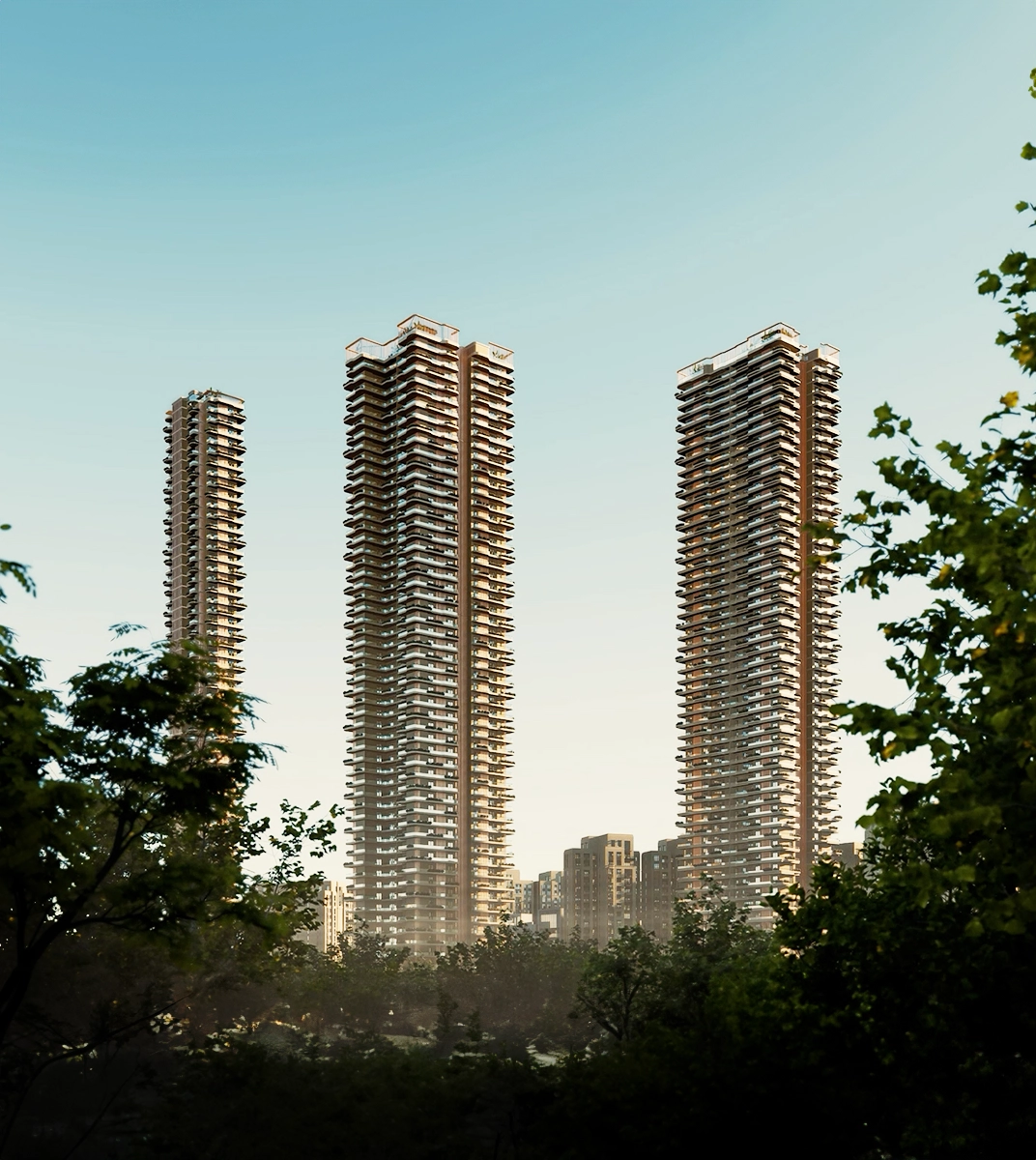
Anantam 85
Ultra-luxury residences on Dwarka Expressway offering expansive green spaces and world-class amenities.
View Project
Nandaka 84
Modern residential community in New Gurgaon designed for connectivity, comfort, and lifestyle.
View Project
Ganga Kashi Residences
Premium residential development offering peaceful living with contemporary amenities.
View Project
Ganga Valley 78
Integrated township living with lush green spaces and a complete lifestyle ecosystem.
View ProjectEfficiency of space plays a significant role—not only in affordable housing but also in high-end projects. Discover how space planning influences the future of luxury real estate in India.
Conclusion
Understanding the difference between carpet area, built-up area, and super built-up area is essential for making an informed property purchase. While builders may advertise larger super built-up areas, the carpet area remains the most accurate measure of the actual living space you receive.
With the introduction of RERA, buyers now have greater transparency and a standardized way to compare residential properties. By focusing on carpet area, verifying project details, and comparing the effective price per carpet square foot, you can make more confident investment decisions.
Before finalizing any property purchase, use our Carpet Area Calculator to estimate usable space and compare multiple apartments based on the same measurement standard.
Looking for spacious luxury apartments with efficient floor plans? Explore Ganga Nandaka in Sector 84, Ganga Anantam in Sector 85, Gurgaon.
FAQs about Carpet Area
What is RERA carpet area?
RERA carpet area is the standardized definition introduced under the Real Estate (Regulation and Development) Act, 2016. It refers to the net usable floor area of an apartment, including the area covered by internal partition walls but excluding external walls, balconies, terraces, and service shafts.
How do I calculate carpet area?
Measure the usable floor area of each room, including bedrooms, living room, kitchen, bathrooms, and internal passages. Add these measurements together to determine the total carpet area.
Does carpet area include balconies?
No. Balconies, verandahs, and open terraces are excluded from the carpet area under RERA.
Does carpet area include wall thickness?
Carpet area includes the area covered by internal partition walls but excludes the thickness of external walls.
What is the difference between carpet area and built-up area?
Carpet area is the usable floor space inside the apartment. Built-up area includes the carpet area along with internal and external wall thickness and, in many projects, balconies.
What is the difference between built-up area and super built-up area?
Super built-up area includes the built-up area plus a proportionate share of common areas such as lift lobbies, staircases, clubhouses, and other shared amenities.
What is saleable area?
Saleable area is generally the same as the super built-up area and is often used by developers to calculate the selling price of an apartment.
Which area should I compare before buying a property?
Always compare the carpet area and the price per carpet square foot, as these provide the most accurate measure of usable living space and value.
Why is carpet area important?
Carpet area helps buyers understand the actual usable space in a property, compare projects fairly, and make informed purchasing decisions.
Is parking included in carpet area?
No. Parking spaces are not included in carpet area calculations.
Is the clubhouse included in carpet area?
No. Clubhouses, gyms, swimming pools, gardens, and other shared amenities are part of the common areas and are not included in the carpet area.
How can I verify the carpet area of a property?
You can verify the carpet area through the project’s RERA registration details, approved floor plans, and the builder’s official documentation.
Is carpet area the same for every apartment of the same size?
Not necessarily. Apartments with the same super built-up area may have different carpet areas depending on the project’s design and loading percentage.
Can I use an online carpet area calculator?
Yes. An online carpet area calculator provides a quick estimate of the usable floor space by adding the areas of individual rooms.
Is carpet area more important than super built-up area?
Yes. Carpet area gives a clearer understanding of the space you can actually use, making it a better metric for comparing properties and evaluating value for money.