
Real estate comes with several technical terms that influence property development, land value, and city planning. One such important concept is TDR in Real Estate, which plays a major role in modern urban development.
Whether you are a homebuyer, landowner, investor, or simply someone interested in understanding real estate systems, knowing how TDR works can help you better understand how cities expand and evolve.
As urban areas continue to grow and governments require land for roads, infrastructure, and public projects, acquiring land through direct compensation can become expensive and complicated. This is where Transferable Development Rights (TDR) become useful.
Table of Contents
TDR creates an alternative system where landowners are compensated through development rights instead of direct monetary payments.
Understanding TDR in Real Estate can help investors identify future growth opportunities and help landowners understand the value of development rights associated with their property.
What Is TDR in Real Estate?
The full form of TDR is Transferable Development Rights. In simple terms, TDR refers to the transfer of unused or surrendered development rights from one land parcel to another.

To understand it easily, every property has a certain development potential determined by local planning regulations. When the government acquires or reserves a land parcel for public purposes—such as road expansion, parks, public infrastructure, or heritage conservation—the owner may receive TDR certificates instead of cash compensation.
These rights can later be transferred or sold to developers who wish to construct additional floor area in approved locations.
The purpose of TDR in Real Estate is to support planned urban development while minimizing financial burdens on authorities and ensuring fair compensation to landowners.
How Does TDR Work?
The process of Transferable Development Rights usually follows a structured approach:
Step 1: Government Identifies and Acquires Land for Public Use
Urban development authorities or municipal corporations identify privately owned land required for public infrastructure and city development projects. These projects may include:
- Road widening projects
- Metro rail corridors
- Flyovers and highways
- Public parks and green zones
- Schools and hospitals
- Drainage and utility infrastructure
- Urban redevelopment initiatives
Instead of purchasing the land entirely through immediate monetary compensation, authorities may choose the TDR model to reduce financial pressure and speed up land acquisition.
In this stage:
- The land is either surrendered voluntarily by the owner or acquired under government regulations.
- Authorities verify ownership documents, land records, and zoning compliance.
- The surrendered land becomes part of the public infrastructure or development plan.
Step 2: Landowner Receives TDR Certificate or Development Rights
Once the land is surrendered, the property owner receives a TDR Certificate or Development Rights Certificate (DRC) from the local authority.
This certificate represents a specific amount of additional built-up area or Floor Space Index (FSI/FAR) that can be utilized elsewhere.
The value of the TDR generally depends on factors such as:
- Size of the surrendered land
- Location and market value of the property
- Applicable city regulations
- Permissible FSI in receiving zones
- Nature of the public project
The certificate legally confirms that the landowner now possesses transferable construction or development rights equivalent to the value determined by the authority.
Step 3: Development Rights Can Be Sold, Transferred, or Utilized
The landowner is not required to use the TDR personally. Instead, they have multiple options:
Option A: Sell TDR in the Open Market: The owner can sell the TDR certificate to real estate developers or investors interested in acquiring additional construction rights.
Option B: Transfer Rights to Another Property: In some cities, the owner may transfer these development rights to another eligible property they already own.
Option C: Hold TDR for Future Use: If market conditions are unfavorable, the owner may choose to retain the TDR certificate and use or sell it later. The market value of TDR depends on:
- Government regulations and policy changes
- Demand for additional construction rights
- Real estate growth in receiving zones
- Infrastructure development in the city
Step 4: Developers Purchase TDR for Additional Construction Rights
Real estate developers often purchase TDR certificates to increase the permissible built-up area of their projects beyond standard zoning limits.
For example:
- A developer planning a residential or commercial project may need higher FSI/FAR.
- By purchasing TDR, they can legally construct additional floors or larger built-up spaces in designated receiving zones approved by the authority.
This benefits developers because it:
- Enhances project profitability
- Increases saleable area
- Improves land utilization
- Enables high-density development in growth corridors
However, developers must comply with:
- Environmental and infrastructure guidelines
- Local zoning regulations
- Building bylaws
- Maximum permissible FSI limits
Example:
Suppose a city requires a portion of land for road widening. Instead of paying cash immediately, authorities issue development rights equivalent to the surrendered land area. The owner then sells those rights to a builder constructing a large residential or commercial project.
This system creates benefits for governments, developers, and landowners alike.
Types of TDR in Real Estate
Different urban requirements create different categories of TDR. Understanding the Types of TDR can help explain its role in city planning.
Road Widening TDR
Cities often require additional land for road expansion and traffic management projects. In such cases, landowners surrender land and receive transferable development rights as compensation.
This helps governments complete infrastructure projects without large upfront expenditures.
Slum Rehabilitation TDR
Authorities encourage redevelopment and rehabilitation projects by granting additional development rights to builders involved in improving housing conditions.
This type of TDR supports social and urban redevelopment initiatives.
Heritage Conservation TDR
Owners of heritage buildings frequently face restrictions on redevelopment due to preservation rules. TDR allows them to transfer unused development potential elsewhere while preserving historical structures.
Public Amenities TDR
Land reserved for schools, parks, hospitals, public utilities, or community spaces can generate TDR compensation. This helps support planned urban growth without delaying public projects.
Agricultural or Reserved Land TDR
In some cases, land classified under restricted or reserved categories may generate development rights when used for approved planning objectives. Policies vary across regions and local authorities
Benefits of TDR in Real Estate
The Benefits of TDR extend across multiple stakeholders and urban systems.
- Provides compensation without immediate cash payments
- Supports organized and planned urban development
- Helps governments complete infrastructure projects efficiently
- Offers financial benefits to landowners
- Encourages redevelopment projects
- Enables flexible land-use planning
- Reduces financial burden on municipal authorities
- Creates opportunities for developers seeking additional construction capacity
By using Transfer of Development Rights, cities can grow in a more structured and sustainable manner.
Advantages and Challenges of TDR
Like every urban planning mechanism, TDR has strengths and limitations.
| Aspect | Advantages of TDR (Transferable Development Rights) | Challenges of TDR |
|---|---|---|
| Infrastructure & Development | Faster infrastructure development as authorities can acquire land efficiently for public projects. | Regulatory complexity due to varying city-specific rules and approval processes. |
| Land Utilization | Promotes efficient land use by transferring unused development rights to high-growth areas. | Regional policy differences across states and municipalities create inconsistency. |
| Financial Impact | Reduces the financial burden on governments by minimizing direct land acquisition costs. | Market value fluctuations can affect the pricing and attractiveness of TDR certificates. |
| Urban Redevelopment | Encourages urban redevelopment by providing incentives to developers for redevelopment projects. | Limited public awareness about development rights and TDR mechanisms among property owners. |
| Investment Potential | Creates opportunities for developers and investors to maximize project potential in premium zones. | Uncertainty in demand and acceptance may impact the practical use of TDR in some regions. |
These challenges highlight the need for transparent real estate regulations and awareness among stakeholders.
Why TDR Is Important in Modern Urban Development
Rapid urbanization has increased pressure on city infrastructure. Expanding populations require better roads, transportation systems, public facilities, and housing projects.
Traditional land acquisition methods can be expensive and time-consuming. As cities continue growing, TDR in Real Estate has emerged as an effective planning mechanism that balances development with fair compensation.
Modern urban planning increasingly relies on innovative methods like TDR to support sustainable expansion without disrupting property ownership systems.
Many rapidly growing urban regions now use TDR frameworks to facilitate infrastructure development while preserving public resources.
Conclusion
Understanding TDR in Real Estate helps explain an important aspect of city planning and land development. Transferable Development Rights offer a practical solution where governments, landowners, and developers all benefit.
Through TDR systems, authorities can acquire land for public projects, landowners receive compensation through development rights, and developers gain additional construction potential. As cities continue expanding, TDR will likely remain a key component of future urban development strategies.
For investors and property owners, understanding how TDR works can provide valuable insight into real estate opportunities and infrastructure-driven growth. To explore premium investment opportunities in Gurgaon’s rapidly developing corridors, discover luxury residential projects by Ganga Realty
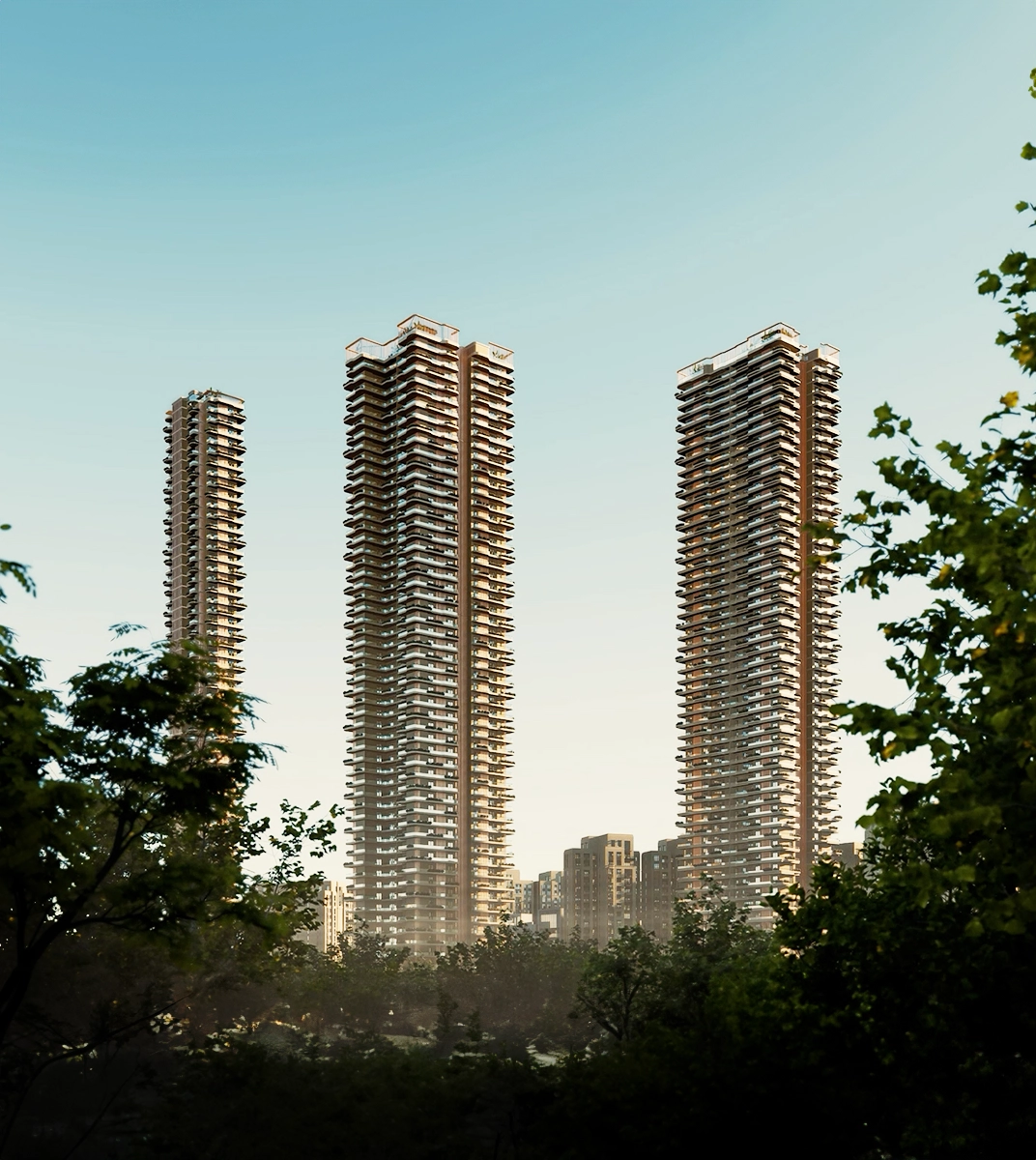
Anantam 85
Ultra-luxury residences on Dwarka Expressway offering expansive green spaces and world-class amenities.
View Project
Nandaka 84
Modern residential community in New Gurgaon designed for connectivity, comfort, and lifestyle.
View Project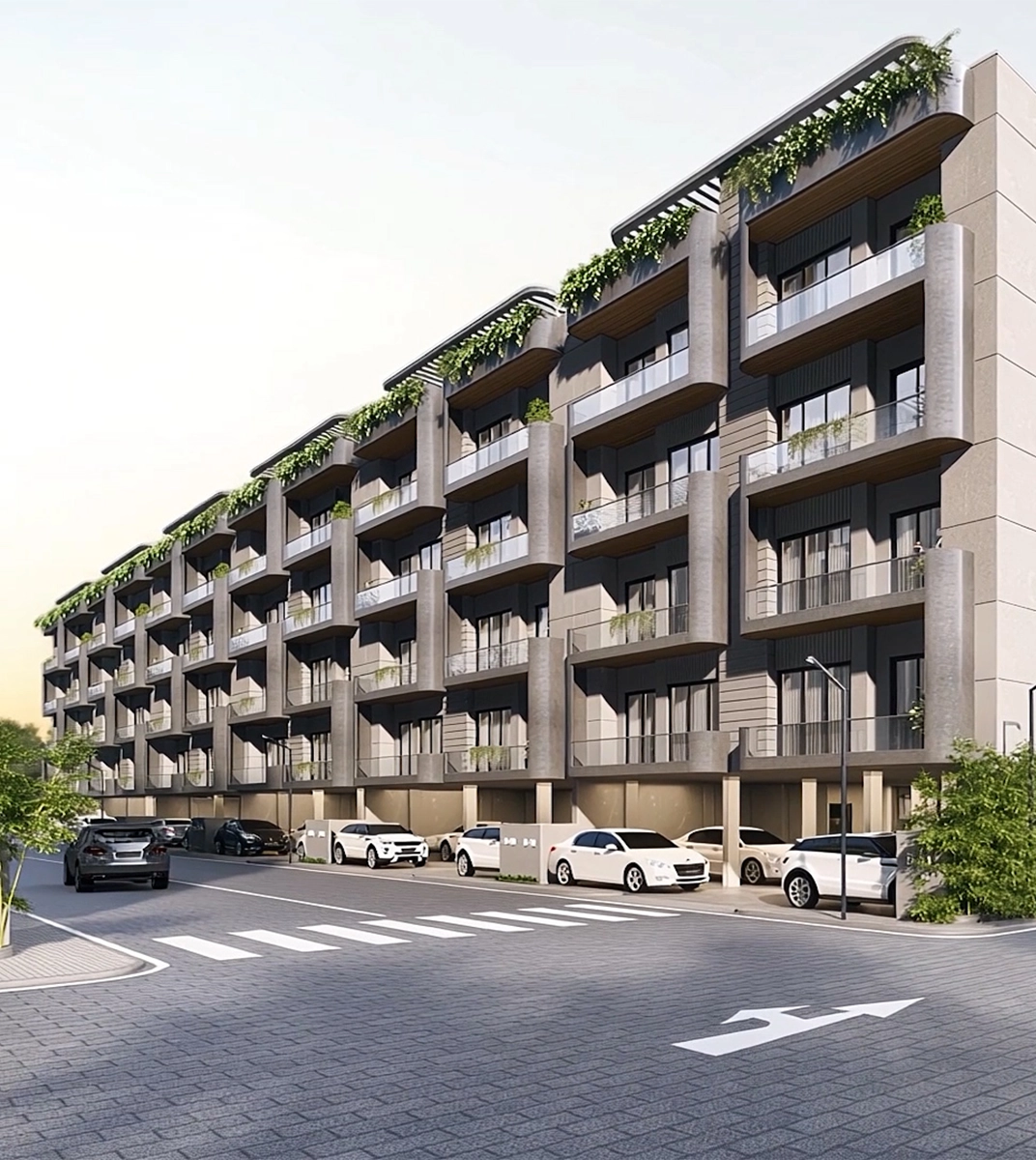
Ganga Kashi Residencies
Premium residential development offering peaceful living with contemporary amenities.
View Project
Ganga Valley 78
Integrated township living with lush green spaces and a complete lifestyle ecosystem.
View ProjectFAQs about TDR in Real Estate
Is TDR legally transferable?
Yes, TDR is legally transferable, subject to approval and regulations laid down by the respective urban development authority or municipal corporation.
Are TDR transactions taxable?
Yes, TDR transactions may attract taxes such as capital gains tax, GST, or stamp duty depending on state laws and transaction structure. It is advisable to consult a tax expert before buying or selling TDR.
What is the difference between TDR and FSI?
FSI (Floor Space Index) determines the maximum permissible construction area on a plot, while TDR allows developers to purchase additional development rights to increase permissible built-up area beyond standard FSI limits.
Why is TDR important for urban development?
TDR helps cities manage rapid urbanization efficiently by enabling planned growth, improving infrastructure development, and reducing the financial burden on governments.
Can TDR be used for residential and commercial projects?
Yes, depending on local regulations, TDR can be used in both residential and commercial real estate developments.