📌 Quick Answer
A north-facing house is considered one of the most auspicious home orientations in Vastu Shastra. The north direction is associated with Lord Kuber, the deity of wealth and prosperity, and is believed to attract positive energy, financial growth, and career opportunities. With proper room placement, an appropriately positioned entrance, and adherence to key Vastu principles, a north-facing home can create a balanced, harmonious, and prosperous living environment for its residents.
Table of Contents
Introduction
When you step out of your front door and face the road, which direction are you looking? If your answer is north, congratulations — you live in a north facing house. And according to Vastu Shastra, the ancient Indian science of architecture and spatial energy, that matters more than most homebuyers realise.
North-facing homes are consistently among the most sought-after properties in Indian cities like Delhi, Gurgaon, Mumbai, and Bengaluru. Real estate buyers — especially those who factor Vastu into their decisions — actively seek them out, and for good reason.
The north direction is ruled by Kuber, the god of wealth and prosperity in Hindu mythology. It is also associated with Soma (the Moon god), representing peace, stability, and good health. Together, these associations make the north one of the most powerful and positive directions in Vastu Shastra.
But what exactly makes a house “north-facing”? What are the specific rules you should follow? And if your existing home has a few Vastu issues, are there remedies that actually work?
This guide covers all of it — from the basics to a complete room-by-room Vastu plan.
What Is a North Facing House?
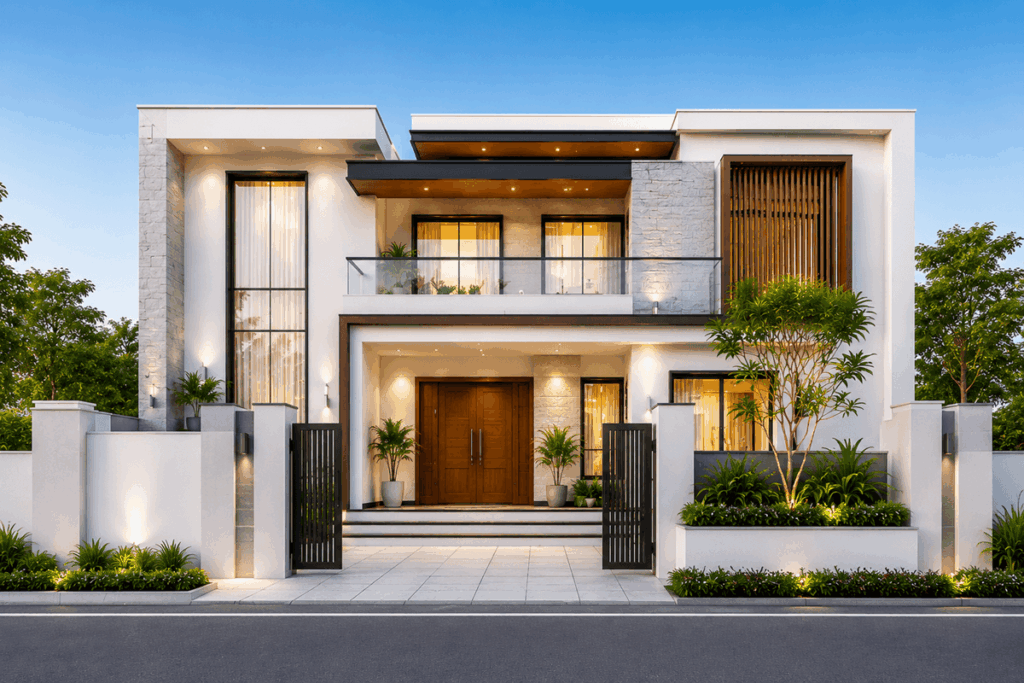
A north-facing house is simply a house where the main entrance door faces north.
The most straightforward way to check: stand inside your home at the front door, facing the door as if you are about to step out. Use a compass (or your phone’s compass app). If the compass reads north (or within 20–30 degrees of north — i.e., north-northeast or north-northwest), your house is north-facing.
It is important to note that the facing of a house is determined by the main entrance, not by the direction of the plot or the road in front. Some houses on east–west running roads have a north-facing entrance if the main door opens toward the north.
Two things to confirm before assuming your home is north-facing:
- Use a compass, not the sun. East and north are 90 degrees apart, and it is easy to misjudge facing by eye.
- Confirm the main entrance, not the largest window or balcony. Multiple openings often create confusion.
Is a North Facing House Good According to Vastu?
The short answer is yes — and it is one of the few directions about which Vastu experts are in broad agreement.
Vastu Shastra places the north under Kuber’s influence and associates it with the “Soma Vithi” energy zone, which governs financial health, abundance, and opportunity. An open, unobstructed north — both on the plot level and inside the home — allows this energy to enter and circulate freely.
Here is how Vastu Shastra frames it:
- The north direction is considered ideal for financial and career prosperity.
- The northeast corner (the joining of north and east) is the most sacred corner of any home — called the “Ishanya” zone — and is best suited for a Pooja room, meditation corner, or water element.
- The north-northwest zone supports rest and rejuvenation.
- Keeping the north side of the plot open and uncluttered allows positive cosmic energy (prana) to enter the home without obstruction.
Looking beyond north-facing properties? Read our complete guide — How to Choose the Best Facing House as per Vastu, A Smart Buyer’s Guide to understand the advantages of east, northeast, west, south, and other house directions before making your decision.
Common Myths About North-Facing Houses
| Myth | Reality |
|---|---|
| “North facing homes are only good for businesspeople” | North facing houses benefit salaried professionals, homemakers, students, and business owners alike. According to Vastu, the north direction is associated with Lord Kuber and is believed to support prosperity in various forms. |
| “The entire north side must remain open” | A boundary wall on the north side is acceptable. What matters is that the northern portion within the plot, such as open spaces, lawns, or setbacks, remains lighter and more open compared to the southern side. |
| “A north-facing house needs no Vastu at all” | The direction of the house is only one aspect of Vastu. Proper room placement, entrance location, layout planning, and construction details are equally important for positive energy flow. |
| “North facing homes get less sunlight” | In India’s geographical conditions, north facing houses receive consistent, diffused natural light, making interiors comfortable while reducing excessive summer heat. |
| “All north facing houses automatically bring wealth” | While the north direction is considered auspicious, financial growth depends on overall Vastu compliance, proper planning, and the occupants’ actions—not just the house facing. |
| “The main entrance can be anywhere on the north side” | Vastu recommends specific entrance zones on the north side. Certain locations are considered more favorable for attracting positive energy and opportunities. |
| “North-facing homes are unsuitable for families” | North facing houses can be highly suitable for families when designed according to Vastu principles, with balanced room placement and adequate natural light. |
| “A north-facing kitchen is always bad” | The ideal kitchen location is usually the southeast. However, a north facing house can still have a Vastu-compliant kitchen if it is positioned correctly within the layout. |
| “Vastu remedies cannot fix a poorly planned north-facing house” | Many minor Vastu defects can be addressed through practical remedies, improved space management, and energy-balancing measures without major structural changes. |
| “Only the house direction matters in Vastu” | Vastu considers multiple factors, including plot shape, room orientation, entrance placement, ventilation, sunlight, and interior arrangement—not just the facing direction. |
Benefits of a North-Facing House

1. Financial Growth and Wealth Opportunities
The north direction’s association with Kuber makes this the single most cited reason buyers choose north-facing homes. Vastu experts consistently advise keeping the north side open, well-lit, and clutter-free to allow financial energy to flow into the home.
2. Consistent, Comfortable Natural Light
In India (which sits north of the equator), the sun travels from east to west through the southern sky. A north-facing home receives indirect, diffused sunlight throughout the day — not harsh direct sun. This translates to cooler interiors in summer, reduced glare, and more consistent light quality in living spaces.
3. Better Career and Professional Growth
The north is connected to Mercury (Budh) in Vedic astrology, which governs communication, intelligence, and commerce. Vastu practitioners associate a well-aligned north-facing home with improved clarity of thought, better career opportunities, and advancement in business.
4. Positive Energy Flow Throughout the Home
When the main entrance faces north, cosmic energy (prana) enters the home from the Kuber zone and flows naturally toward the south. This directional flow aligns with Vastu principles for a healthy, energetically balanced home.
5. Ideal for Water Features and Landscaping
Vastu recommends water elements — fountains, water tanks, borewells — on the north or northeast side of a property. A north-facing plot naturally accommodates these features in the correct positions, making Vastu compliance easier from the start.
North Facing House Vastu Tips — Room by Room
Main Entrance
The most important Vastu element in any north-facing home is the entrance placement. Not all positions along the north wall are equally auspicious.
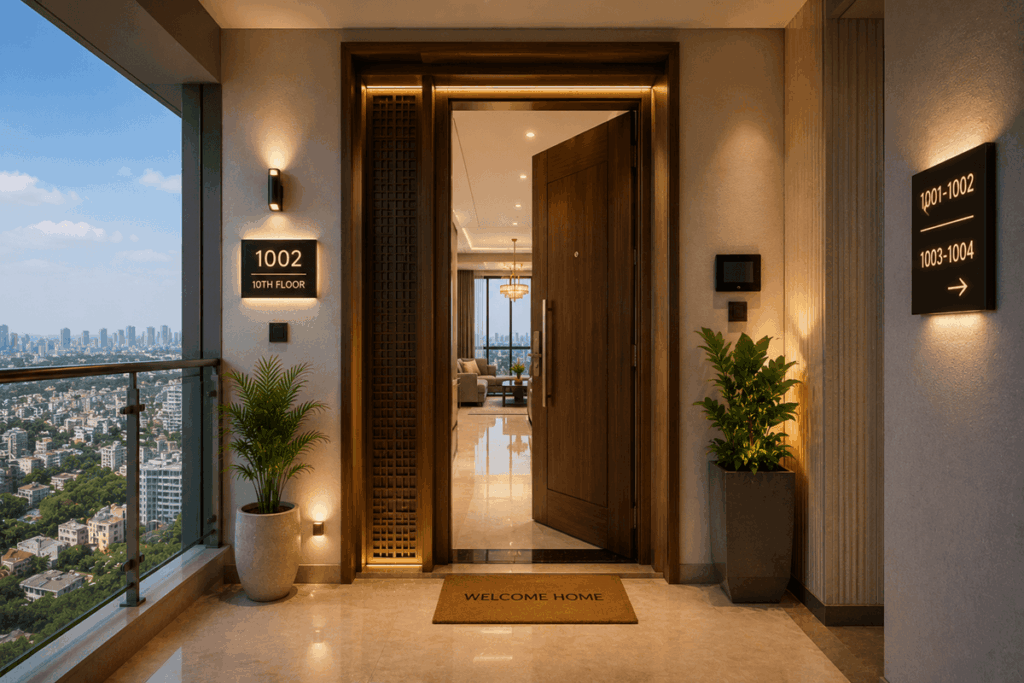
The north wall is divided into nine energy zones (Pada). The most favourable positions for the main entrance are:
- 4th Pada (Mukhya) — the most auspicious, associated with Kuber directly
- 3rd Pada (Jayanta) — excellent for prosperity and positivity
- 5th Pada (Soma) — good for peace and stability
Avoid placing the entrance in the 1st Pada (northernmost corner near northwest) or the 9th Pada (closest to northeast corner) — these are considered less favourable in classical Vastu texts.
Practical tips for the entrance:
- Keep the entrance door well-lit, especially after dark
- Use wood (not metal) for the main door if possible
- Keep the entrance area clean and unobstructed — no shoes, clutter, or dark colours
- A nameplate or auspicious symbol (Om, Swastika) at the entrance is considered beneficial
- The entrance should open inward and to the left (clockwise)
Living Room
Place the living room in the north or northeast zone of the home. This positions the main social space directly in the energy-receiving zone of the house.
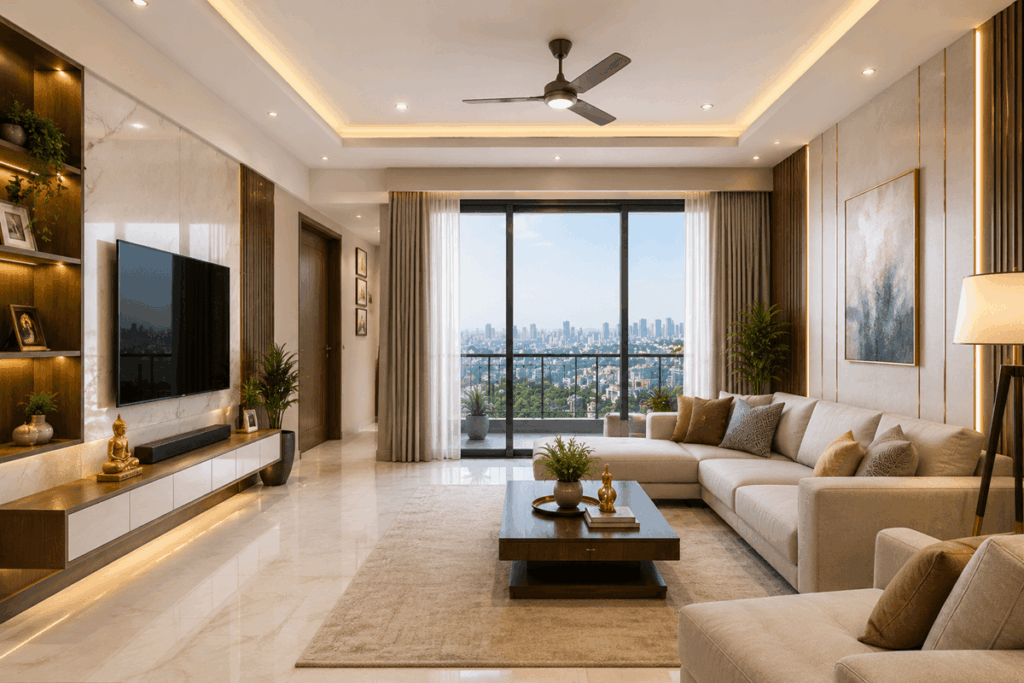
- Keep furniture along the south and west walls — heavier pieces (sofas, cabinets) ground the south side
- The northeast and north corners of the living room should remain open and light — avoid placing tall cabinets or heavy furniture here
- If you have a prayer corner or a small idol in the living room, the northeast corner is ideal
- Use light, warm colours — cream, white, light yellow, or soft green work well in north-facing living rooms
Bedroom Placement
The master bedroom is best placed in the southwest corner of the home. In a north-facing plot, this translates to the rear-left area.
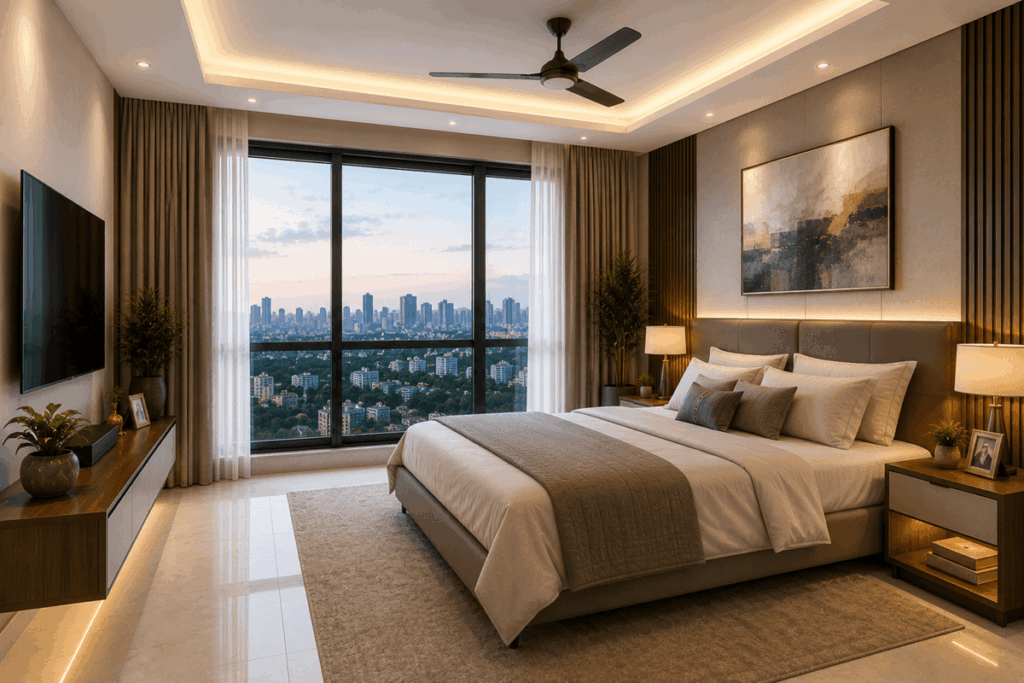
- The head of the bed should point south or east when sleeping
- Avoid sleeping with your head pointing north — this is one of the few Vastu points that is also supported by some sleep researchers (alignment with the Earth’s magnetic field)
- The southwest bedroom creates a sense of stability, rest, and grounded energy
- Guest bedrooms or children’s rooms work well in the northwest or north side of the home
Kitchen Location
The southeast corner is the ideal position for the kitchen, in both north-facing and other directional homes. The southeast is governed by Agni (fire), which makes it naturally aligned with cooking.
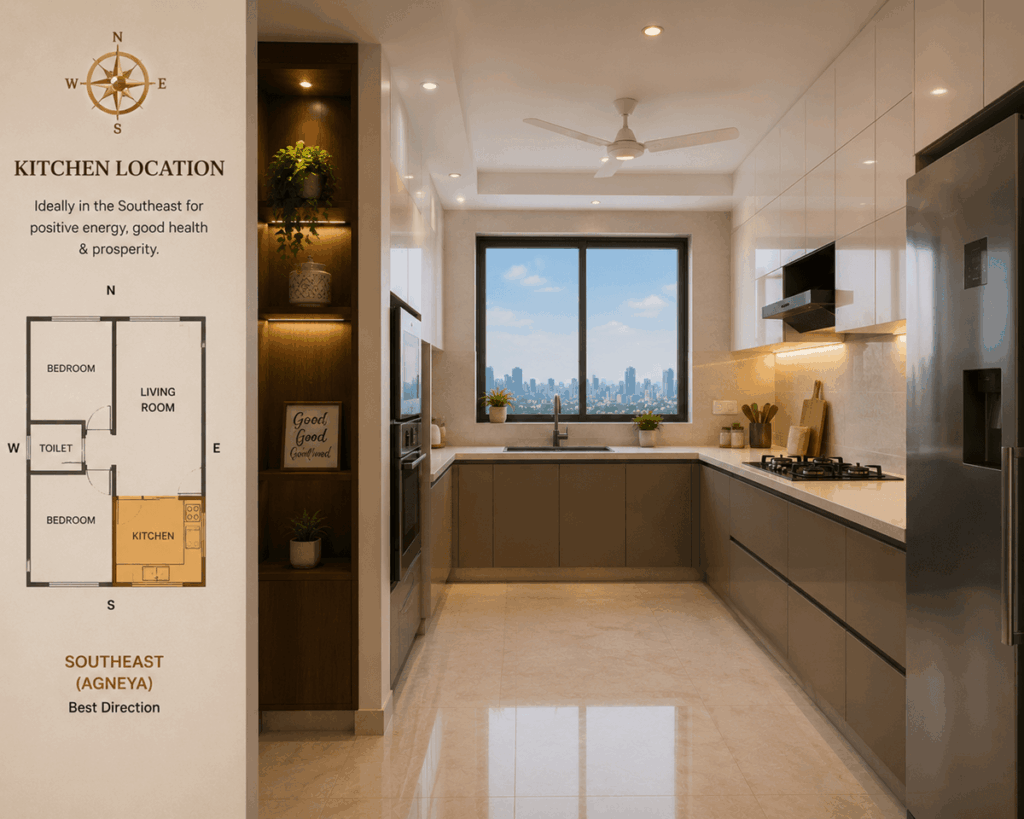
- In a north-facing house, the kitchen should be at the rear-right area of the home (southeast)
- The cook should face east while cooking — this requires the stove to be on the east wall of the kitchen
- Avoid placing the kitchen in the northeast — this is a critical Vastu mistake (see Common Mistakes section)
- Keep the kitchen sink (water) and stove (fire) on opposite walls — mixing fire and water on the same counter creates Vastu conflict
Pooja Room (Prayer Room)
The northeast corner is the holiest position for a Pooja room in any home, and it is particularly well-suited in a north-facing home where the northeast is naturally energised.
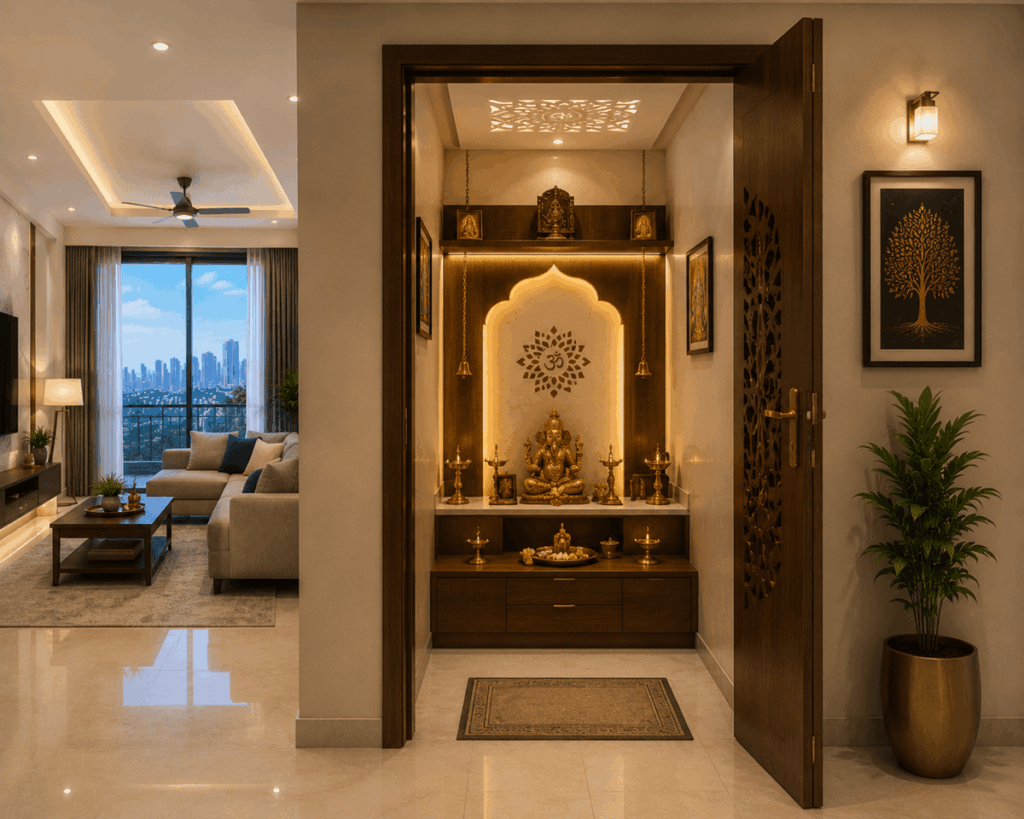
- Idols and photos should face west (worshipper faces east) or face east (worshipper faces west)
- Avoid placing the Pooja room under a staircase, next to a bathroom, or above a kitchen
- Keep the space well-lit and ventilated — natural light from the north or northeast is ideal
Bathroom and Toilet
Bathrooms should be placed in the northwest or west side of the home. In a north-facing house:
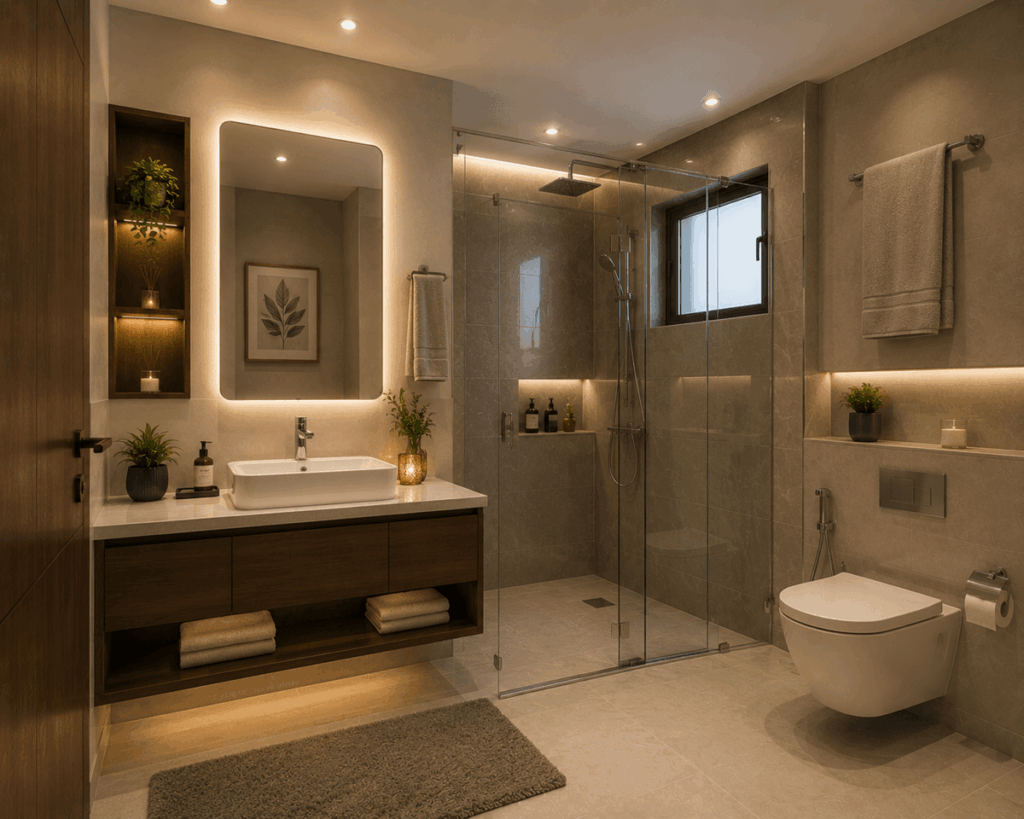
- Master bathroom attached to the southwest bedroom — acceptable on the west or south wall
- Common bathroom — northwest zone works well
- Never place a toilet in the northeast corner — this is one of the gravest Vastu errors in any home
- The toilet seat should ideally be positioned so the user faces north or south (not east or west, which is considered disrespectful to solar energy)
Staircase
In a north-facing house, the staircase is best positioned in the south, southwest, or west zone.
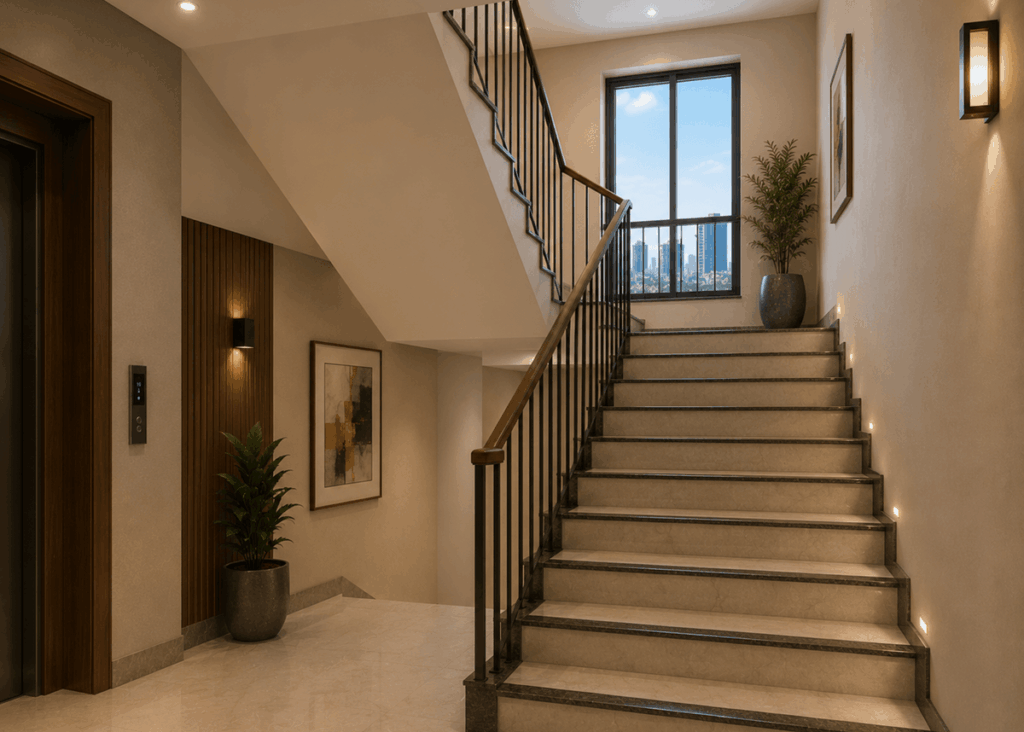
- Stairs should rise from north to south (or east to west) — meaning you walk toward the south as you climb
- Avoid placing a staircase in the center of the home (Brahmasthan) or in the northeast
- The space under the staircase should not be used as a kitchen, Pooja room, or bedroom — storage or a utility area is acceptable
Study or Home Office
The north or northeast zone is excellent for a study room or home office in a north-facing house. Students and professionals working from home benefit from sitting facing north or east while studying or working.
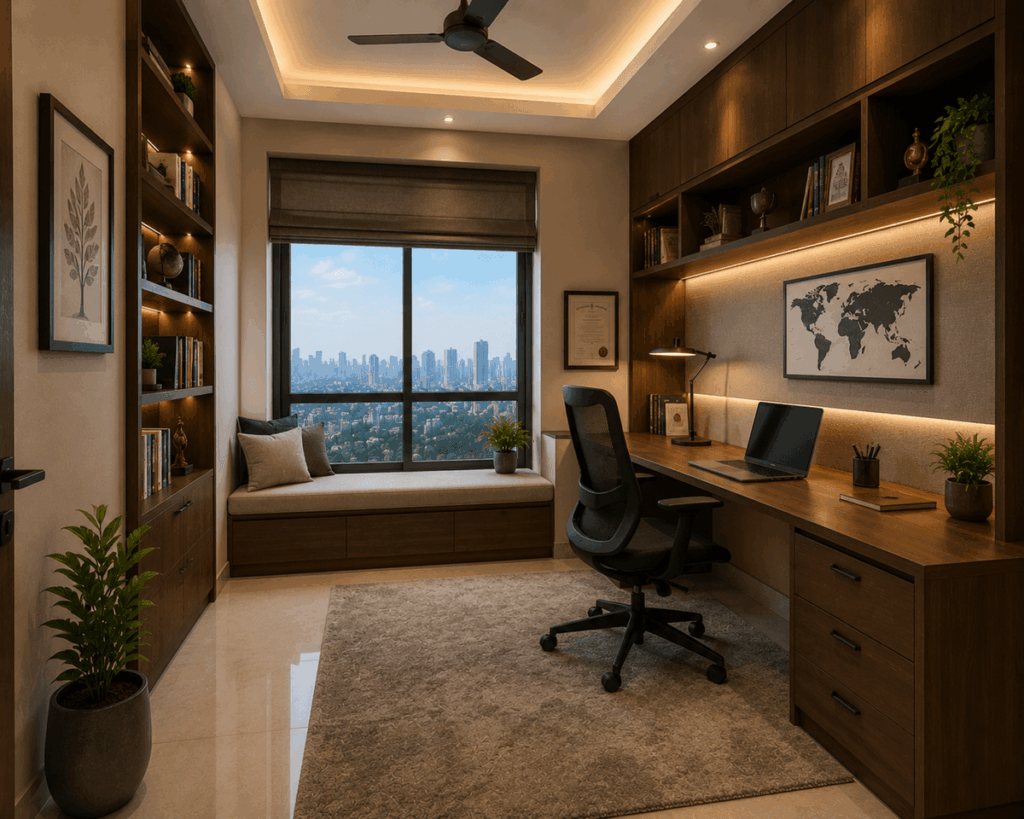
- A north-facing study room in a north-facing home creates a powerful alignment — the external energy matches the internal placement
- Keep the desk away from the north wall — leave at least 3–4 feet of space between the desk and the wall so energy can circulate
- Good lighting is essential; a north-facing window provides consistent, glare-free light ideal for studying
Balcony and Open Spaces
Open spaces, balconies, and gardens should be on the north or east side of a north-facing property.
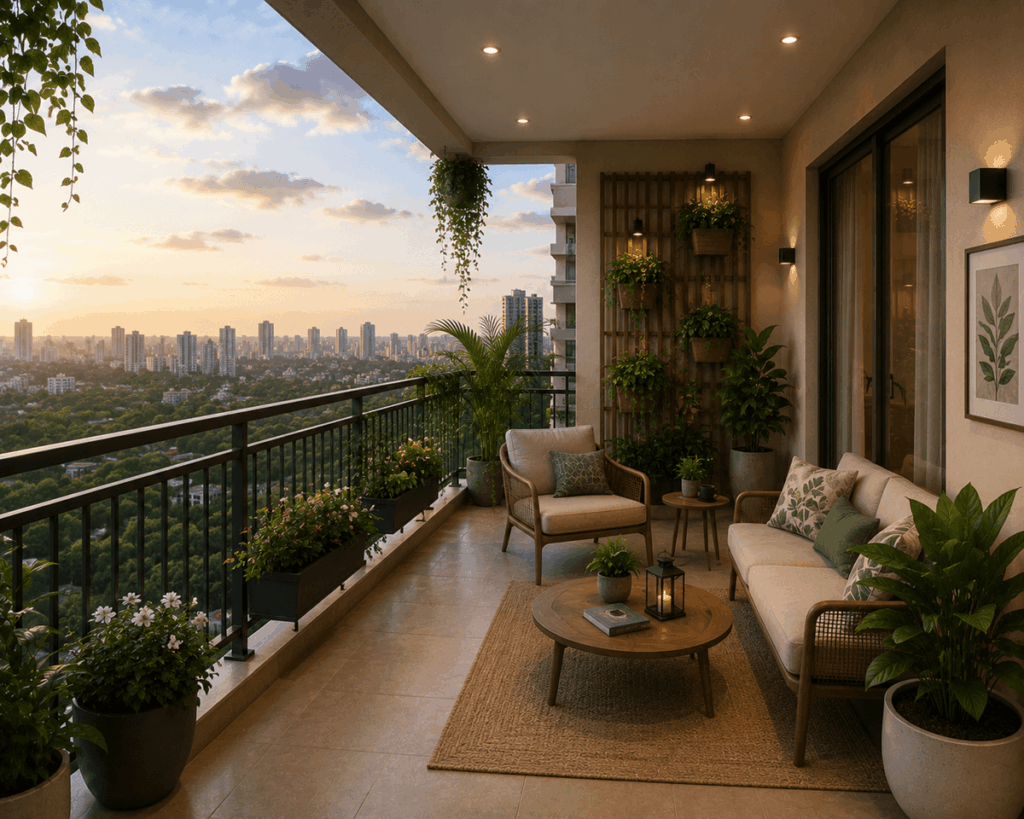
- A north-facing balcony is ideal — it stays cool, receives diffused light, and aligns perfectly with Vastu
- Keep the south and west sides heavier — compound walls, storage, or service areas work well here
- Avoid heavy trees or tall structures on the north side — they block the energy flow from Kuber’s direction
- A small water feature (fountain or pot) on the north side is considered highly auspicious
Overhead Water Tank
Place the overhead water tank in the southwest or south zone of the roof.
- Water in the southwest creates a grounding, stable energy — it also makes practical sense since the southwest is typically the highest point of a Vastu-compliant structure
- Avoid placing the water tank in the northeast — this is a common mistake in older constructions and considered a serious Vastu flaw
- Underground water sumps or borewells belong in the north or northeast — underground water here is beneficial
North-facing homes aren’t the only auspicious option — if you’re weighing plots or properties by direction, our east-facing house Vastu guide covers the same room-by-room detail for east-facing layouts.
North Facing House Vastu Plan — An Example Layout
Here is how an ideal Vastu-compliant north-facing home might be laid out on a 30×40 ft plot. Approaching from the north (street side):
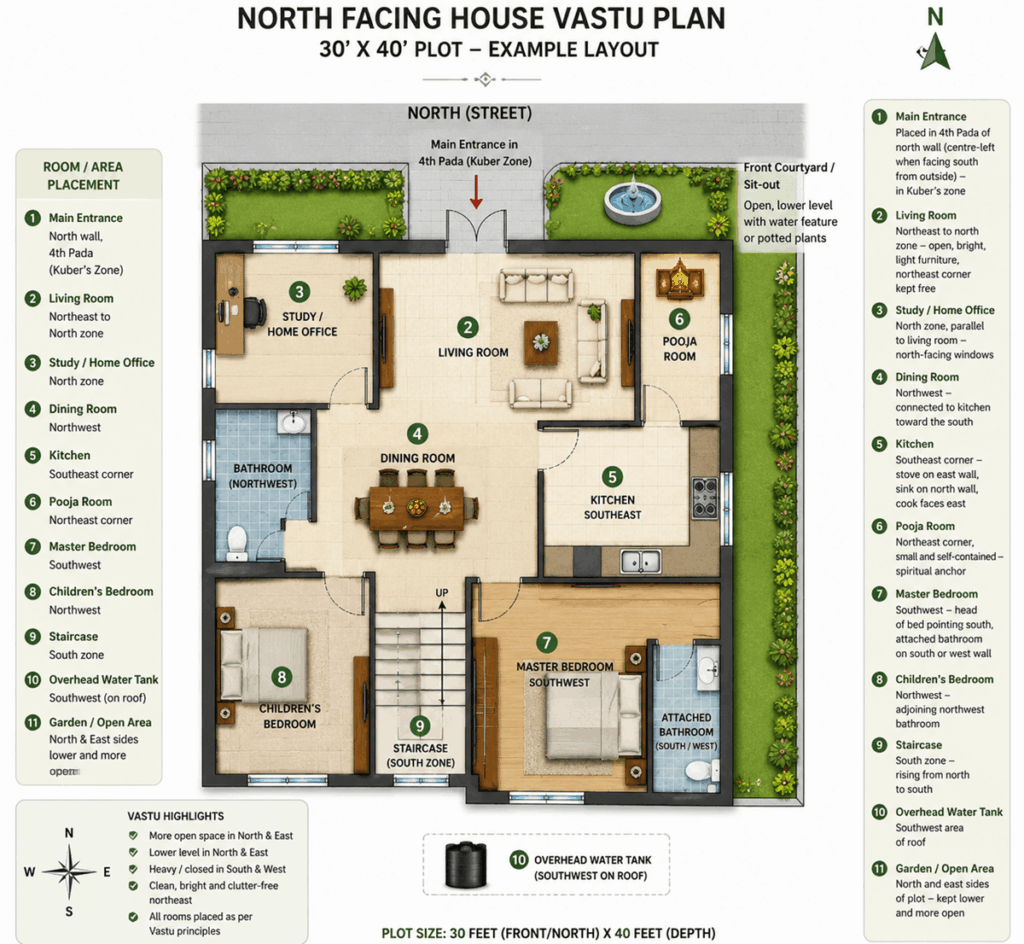
- Main entrance: Placed in the 4th Pada of the north wall (centre-left when facing south from outside) — directly in Kuber’s zone
- Front courtyard / sit-out: Small open north lawn or porch, lower than the main floor level, with a small water feature or potted plants
- Living room: Northeast to north zone — open, bright, light furniture, northeast corner kept free
- Study / home office: North zone, parallel to living room — north-facing windows
- Dining room: Northwest — connected to kitchen toward the south
- Kitchen: Southeast corner — stove on east wall, sink on north wall of kitchen, cook faces east
- Master bedroom: Southwest — head of bed pointing south; attached bathroom on south or west wall
- Children’s bedroom: Northwest — adjoining the northwest bathroom
- Pooja room: Northeast corner, small and self-contained — considered the spiritual anchor of the home
- Staircase: South zone, rising from north to south
- Overhead water tank: Southwest area of roof
- Garden / open area: North and east sides of plot — kept lower and more open than south and west
This layout follows the core Vastu principle of keeping heavy, taller, and more active spaces in the south and west, while keeping the north and east open, lighter, and more energised.
North Facing House Vastu — Dos and Don’ts
| Element | Do | Don’t | Vastu Impact |
|---|---|---|---|
| Main Entrance | Place the entrance in the 3rd, 4th, or 5th Pada of the north wall. | Avoid placing it in the 1st or 9th Pada, or exactly in the northwest corner. | Influences prosperity, opportunities, and the flow of positive energy into the home. |
| North Side of Plot | Keep the northern side open, lower in height, and clutter-free. | Avoid heavy structures, tall trees, or raising the ground level on the north side. | Supports the flow of Kuber energy and financial prosperity. |
| Master Bedroom | Locate the master bedroom in the southwest direction. | Avoid placing it in the northeast or north zones. | Southwest provides stability and grounding, while the northeast is too spiritually active for restful sleep. |
| Kitchen | Position the kitchen in the southeast and cook facing east. | Avoid kitchens in the northeast or north direction. | The northeast is a sacred zone; a kitchen here can disturb the balance of energies. |
| Pooja Room | Place the pooja room in the northeast with idols facing west or east. | Avoid placing it under a staircase or adjacent to a toilet. | The northeast (Ishanya) is considered the most auspicious spiritual zone. |
| Bathroom/Toilet | Construct bathrooms in the northwest or west direction. | Avoid toilets in the northeast or southeast. | A northeast toilet is considered one of the most significant Vastu defects. |
| Overhead Water Tank | Install the overhead water tank in the southwest or south direction. | Avoid placing water tanks in the northeast. | A northeast water tank can create energy imbalance and block positive vibrations. |
| Staircase | Build staircases in the south, southwest, or west zone. | Avoid staircases in the northeast. | Heavy structures in the northeast can obstruct positive energy flow. |
| Living Room | Keep the living room in the north, east, or northeast area. | Avoid excessive clutter and dark interiors. | Encourages social harmony, positivity, and natural light. |
| Open Spaces & Balconies | Maintain more open space in the north and east directions. | Avoid blocking these areas with storage or heavy construction. | Improves ventilation, sunlight, and overall energy circulation. |
Common Vastu Mistakes in North-Facing Houses
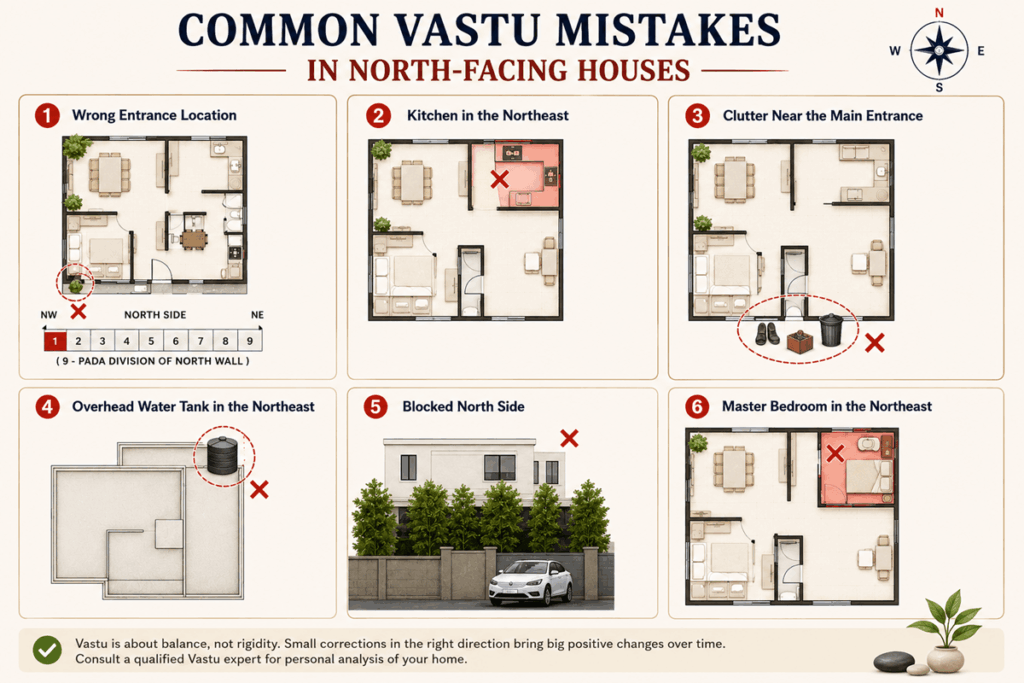
1. Wrong Entrance Location
Placing the entrance in the 1st Pada (northwest corner of the north wall) is among the most common errors. This position is associated with the energy of Roga (disease/obstacles) in classical Vastu texts. Always confirm the exact Pada position using a compass and the standard 9-Pada division of the north wall.
2. Kitchen in the Northeast
This is the single most frequently seen critical Vastu mistake across Indian homes. The northeast is the Ishanya zone — sacred, pure, and associated with divine energy. Placing a kitchen here introduces the fire element into the most sensitive zone of the home. If your kitchen is currently in the northeast, prioritise remedies or relocation.
3. Clutter Near the Main Entrance
Even in the most Vastu-correct house, a cluttered entrance blocks the flow of positive energy. Shoes, dustbins, broken furniture, or dark corners at the north-facing entrance negate much of the directional benefit. Treat the entrance as the most important 10 square feet in your home.
4. Overhead Water Tank in the Northeast
A heavy water tank in the northeast corner of the roof is a very common construction mistake — especially in older homes. It creates a combination of weight and water in the most sacred energy zone, which Vastu associates with stagnation of prosperity and health issues.
5. Blocked North Side
Building high walls, dense trees, or parking heavy vehicles permanently on the north side of a north-facing plot is counterproductive. The north side should ideally remain open, lighter, and lower than the south side — this allows energy to flow in from Kuber’s direction rather than being blocked at the threshold.
6. Master Bedroom in the Northeast
The northeast is too active and spiritually charged for sleep. Placing the master bedroom here often results in restlessness, light sleep, or difficulty fully relaxing. The southwest is always the preferred position for the master bedroom, regardless of the house facing.
North Facing House Vastu Remedies
If structural modifications are not possible, Vastu offers practical remedies for existing issues:
| Issue | Remedy |
|---|---|
| Entrance in an Inauspicious Pada | Place a small Kuber Yantra or Swastika symbol above the main entrance. Ensure the doorway is well-lit, clean, and welcoming. Decorate the entrance with fresh flowers or auspicious symbols to attract positive energy. |
| Kitchen in the Northeast | Place a Vastu pyramid or copper plate beneath the stove. Avoid cooking in the northeast corner and use that area primarily for storage. Repaint the kitchen using warm, earthy shades such as cream, beige, or terracotta. |
| Bathroom in the Northeast | Keep the bathroom clean and dry at all times. Always keep the door closed. Place a bowl of sea salt inside and replace it weekly. A copper Swastika on the bathroom door is also believed to help neutralize negative effects. |
| Overhead Water Tank in the Northeast | Install a Vastu pyramid near the water tank. Ensure there is no water leakage or stagnation. During future renovations, consider relocating the tank to the southwest or south direction. |
| Master Bedroom in the Northeast | Use deeper, grounding colors such as blue-green or deep teal. Position heavy furniture along the south and west walls. Sleep with your head facing south for better stability and restful sleep. |
| Blocked North Entrance | Keep the entrance bright and clutter-free. Install additional lighting if required. Place healthy potted plants or a small water feature near the north side to activate positive energy flow. |
| Missing Northeast Corner (Cut Corner Plot) | Place a crystal ball, Kuber Yantra, or a bowl of fresh water in the nearest northeast area of the home. For significant plot-level defects, consult a qualified Vastu expert for customized remedies. |
| Dark or Poorly Lit Entrance | Improve illumination using warm-white lights. Use mirrors on adjacent walls (not directly opposite the entrance) to reflect light and enhance the feeling of openness and positivity. |
Why Homebuyers Prefer North-Facing Properties
The preference for north-facing homes in Indian real estate is not just rooted in tradition — it has practical legs too.
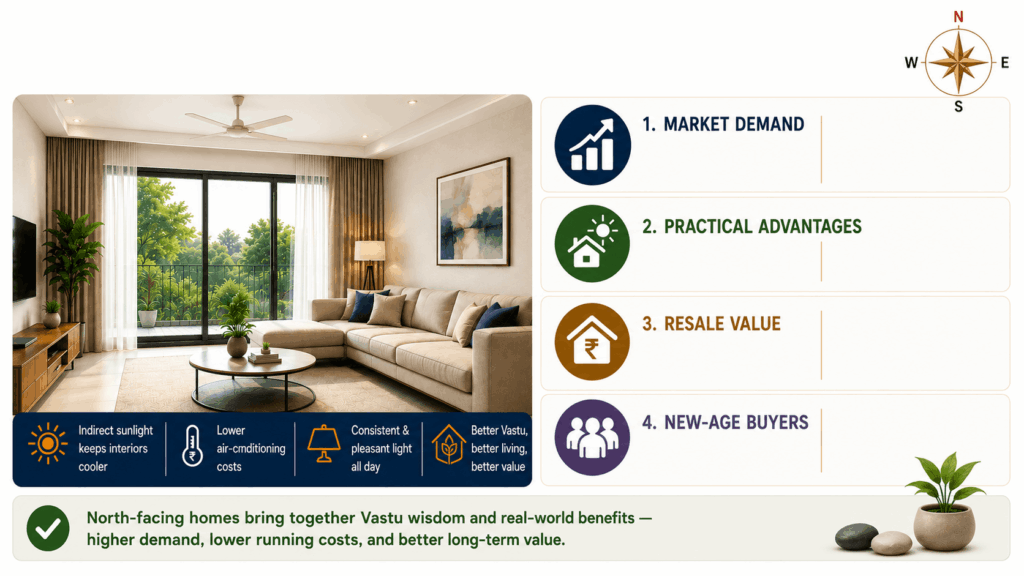
- Market demand: In cities like Gurgaon, Noida, Mumbai, and Hyderabad, north and east-facing flats consistently attract higher enquiries and, in premium segments, command a 3–7% price premium over other facings. Buyers who prioritise Vastu — a large and growing segment — actively filter by facing.
- Practical advantages: As discussed, north-facing homes receive indirect sunlight, keeping interiors cooler. In Gurgaon’s hot summers, this translates to meaningfully lower air-conditioning costs. The light quality in a north-facing living room is consistent and pleasant throughout the day — designers and architects often prefer it.
- Resale value: Vastu-compliant homes — particularly north and east-facing — tend to hold resale appeal better in Indian markets. A buyer who is indifferent to Vastu will accept any facing; a buyer who prioritises Vastu will only shortlist certain facings. This asymmetry supports long-term demand.
- New-age buyers: Increasingly, younger urban homebuyers are combining Vastu considerations with practical factors — not out of superstition, but as a framework for intentional home design. The north-facing preference aligns with this hybrid approach.
For homebuyers considering luxury properties in Gurgaon, it is worth asking developers specifically about apartment facing and entrance orientation before finalising a unit.
Looking for a Vastu-compliant luxury home in Gurugram? Explore Ganga Realty’s premium residential projects in Gurgaon and other prime locations to find a home that perfectly balances modern comfort, positive energy, and long-term investment value.
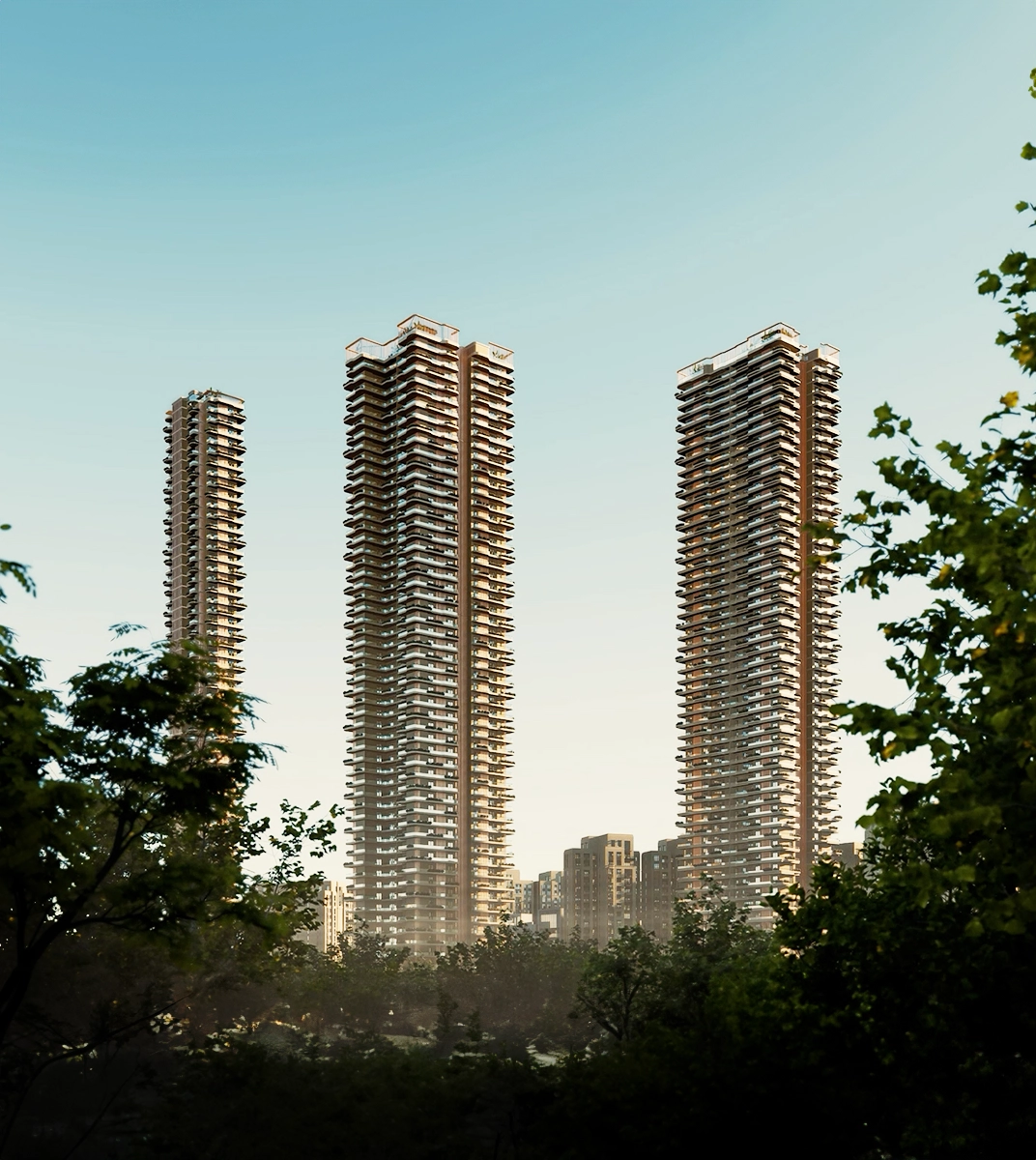
Anantam 85
Ultra-luxury residences on Dwarka Expressway offering expansive green spaces and world-class amenities.
View Project
Nandaka 84
Modern residential community in New Gurgaon designed for connectivity, comfort, and lifestyle.
View Project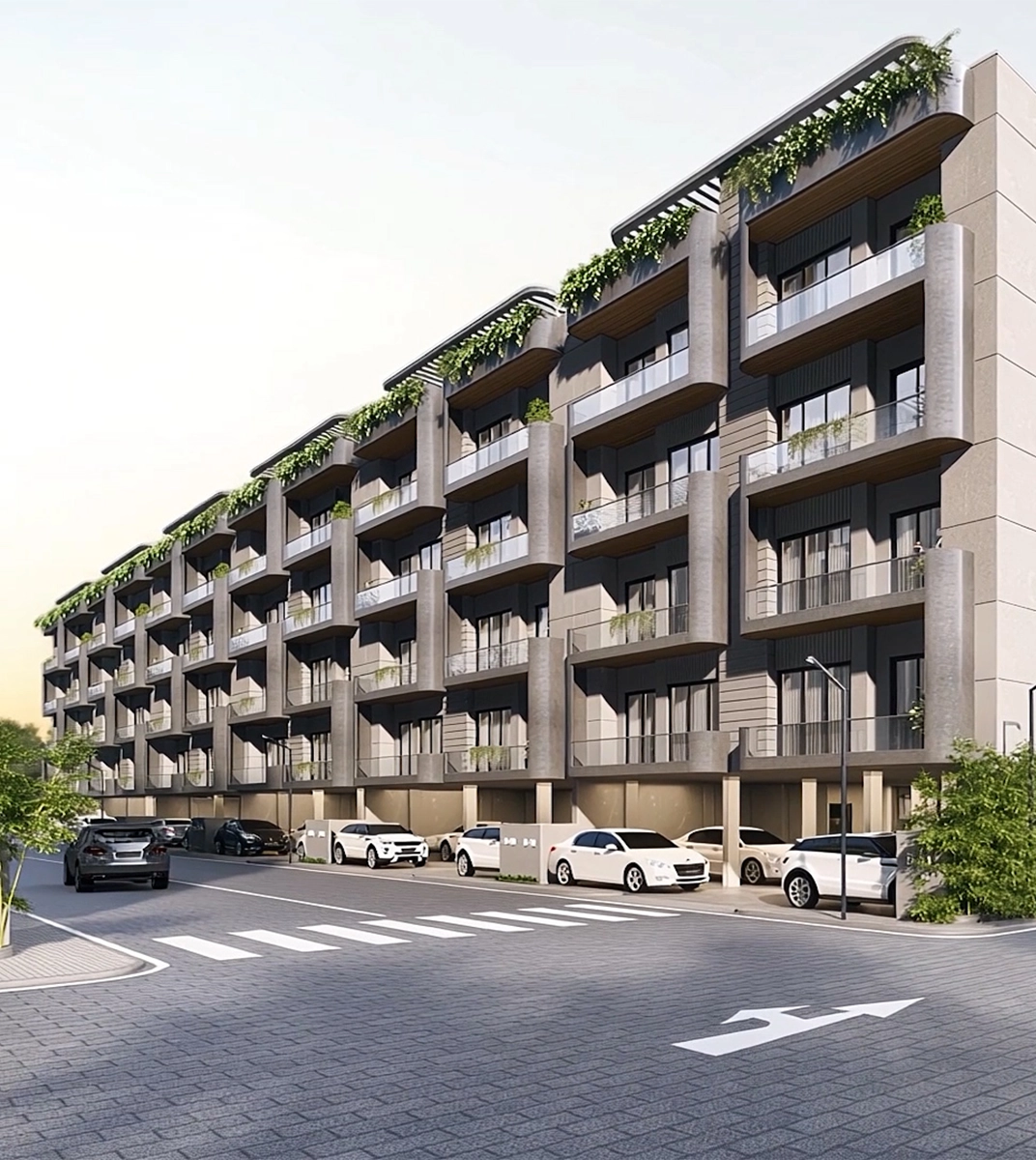
Ganga Kashi Residences
Premium residential development offering peaceful living with contemporary amenities.
View Project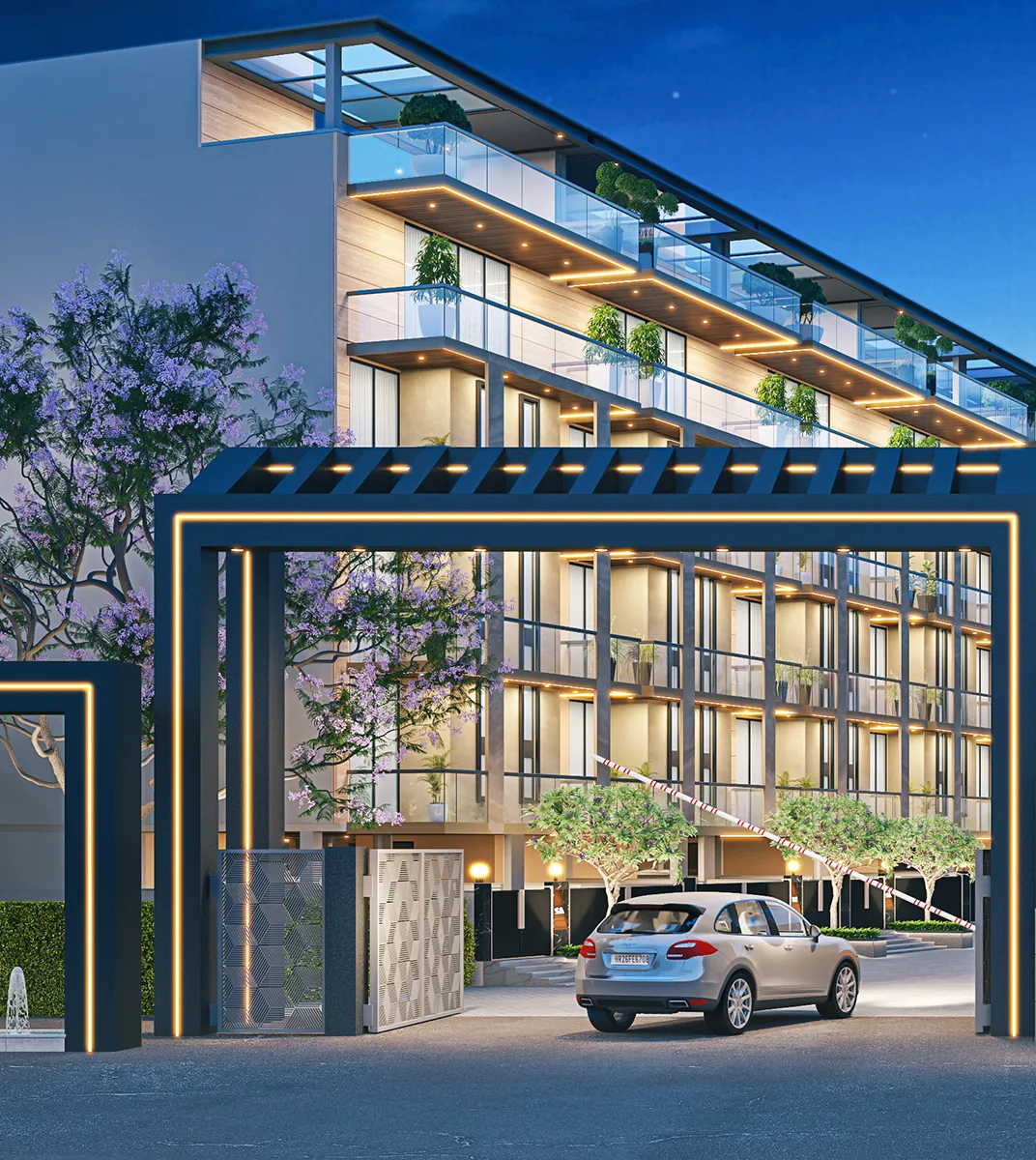
Ganga Valley 78
Integrated township living with lush green spaces and a complete lifestyle ecosystem.
View ProjectKey Takeaways From This North-Facing Properties Guide
A Vastu-aligned home is not just about luck or energy — it is about creating spaces that feel right, function well, and support the people living in them. North-facing homes, when thoughtfully designed, do exactly that
- The main entrance should be in the 3rd, 4th, or 5th Pada of the north wall
- Keep the northeast corner sacred — Pooja room or open space, never a kitchen or toilet
- Place the master bedroom in the southwest, with the head pointing south
- Keep the north and east sides of the plot open and lighter than the south and west
- Structural issues can often be improved with practical Vastu remedies
- Combine Vastu principles with good architecture, lighting, and ventilation for the best results.
Conclusion
A north-facing house is one of the most naturally aligned orientations in Vastu Shastra — and for tangible, practical reasons as well as symbolic ones.
The north’s connection to Kuber, the consistent natural light, the support for water features, and the alignment with prosperity and career energy make it a compelling choice for homebuyers across India.
But orientation alone does not make a home Vastu-compliant. The placement of the entrance within the north wall, the position of the kitchen and master bedroom, the management of the northeast corner, and something as simple as keeping your entrance clean and well-lit — all of these matter as much as the direction your front door faces.
FAQs North-Facing House
Is a north-facing house good for investment?
Many buyers prefer north-facing homes because they combine Vastu appeal with practical advantages such as balanced daylight and strong resale demand. In premium markets, facing preference can influence buyer interest.
Is a north-facing house suitable for everyone?
Yes. A north-facing home can suit professionals, business owners, families, students, and retirees. Layout, ventilation, and overall planning often matter more than facing alone.
Where should the kitchen be in a north-facing house?
The southeast zone is commonly recommended in Vastu because it aligns with the fire element. Avoid placing the kitchen in the northeast whenever possible.
Is a north-facing apartment considered Vastu compliant?
Yes. Vastu can also be applied to apartments. The key factors are the entrance direction, room layout, natural light, and internal planning rather than only the tower orientation.
How can I improve Vastu in an existing north-facing house?
Simple improvements include:
- Keep the north side open and clean
- Improve natural lighting
- Remove clutter near the entrance
- Use balanced room placement
- Maintain ventilation and open spaces