24 July 2026|18 Minutes Read
Benefits of Society Living in Gurgaon: Why It’s the Ideal Choice for Modern Living
💡 Quick Answer
Society living in Gurgaon offers a modern lifestyle with enhanced security, premium amenities, better connectivity, professional maintenance, and a vibrant community environment. Gated residential societies also provide excellent investment potential, access to quality schools and healthcare, and a healthier living experience, making them one of the most preferred housing choices for families, professionals, and investors.
What Is Society Living?
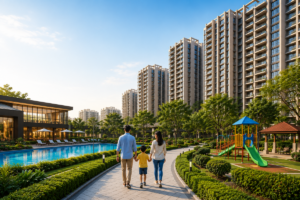
Society living refers to residing in a planned residential community where multiple families live within a gated environment that offers shared amenities, professional maintenance, and enhanced security. Unlike independent houses, residential societies are designed to provide a complete lifestyle ecosystem where residents have access to recreational facilities, landscaped green spaces, fitness centers, children's play areas, and community events.
Today's residential societies go beyond providing homes—they create vibrant neighborhoods where convenience, comfort, and community coexist. In cities like Gurgaon, society living has become the preferred choice because it combines modern infrastructure with lifestyle-focused planning.
Why Society Living is Becoming Increasingly Popular in Gurgaon
Over the last decade, Gurgaon has transformed into one of India's most sought-after residential destinations. The city's rapid infrastructure development, expanding metro connectivity, thriving corporate sector, and premium residential projects have made it an attractive location for homebuyers.
Several factors are driving the popularity of gated communities in Gurgaon:
Growth of multinational companies and IT parks
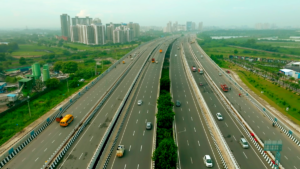
Improved connectivity through Dwarka Expressway and NH-48
Rising demand for secure family-friendly neighborhoods
Availability of luxury and premium residential projects
Better lifestyle amenities compared to standalone homes
Strong appreciation potential in emerging sectors
As urban lifestyles evolve, buyers increasingly prefer integrated communities that provide convenience, security, and long-term value under one roof.
12 Benefits of Society Living in Gurgaon
Whether you're a first-time homebuyer, investor, or looking to upgrade to a premium lifestyle, these benefits provide practical insights to help you make an informed decision.
1. Enhanced Security for Complete Peace of Mind
Security is one of the primary reasons why many homebuyers in Gurgaon prefer gated residential societies over independent houses. With increasing urbanization and busy lifestyles, having a secure living environment has become a necessity rather than a luxury.
Modern gated communities in Gurgaon typically include:
24×7 security personnel
CCTV surveillance
Gated entry and exit
Smart visitor management
Boom barriers
Video door phones
RFID access systems
Emergency response teams
These features significantly improve resident safety while providing peace of mind for families, senior citizens, and working professionals.
For parents, knowing that children can safely play within the community is a major advantage over living in standalone homes located on busy streets.
2. Premium Lifestyle Amenities at Your Doorstep
One of the defining characteristics of modern residential societies is the wide range of lifestyle amenities they offer. Residents no longer need separate memberships for fitness clubs or recreational facilities because everything is available within the community.
Common amenities include:
Grand clubhouse
Swimming pool
Fully equipped fitness center
Yoga pavilion
Indoor games room
Tennis and badminton courts
Basketball court
Cricket practice nets
Jogging and cycling tracks
Children's play area
Multipurpose hall
Landscaped gardens
Outdoor seating spaces
Pet parks
Café and convenience store
These amenities promote healthier lifestyles while improving the overall living experience.
3. Strong Community Living
One of the biggest advantages of living in a residential society is the sense of belonging and community it creates. Unlike standalone homes, where interaction with neighbors may be limited, gated communities encourage residents to connect through shared spaces, events, and everyday interactions.
Residential societies regularly organize:
Festival celebrations
Yoga sessions
Cultural events
Weekend markets
Children's competitions
Sports tournaments
Music nights
Resident welfare activities
These interactions foster stronger relationships among neighbors and create a welcoming environment for families. For children, it provides opportunities to build friendships and develop social skills in a safe environment.
4. Professional Maintenance and Hassle-Free Living
Maintaining an independent house often requires homeowners to coordinate with multiple vendors for repairs, cleaning, landscaping, and utility management.
In a residential society, dedicated maintenance teams handle:
Housekeeping of common areas
Elevator maintenance
Water supply
Power backup systems
Garden maintenance
Waste management
Parking management
Plumbing and electrical services
This allows residents to enjoy a hassle-free lifestyle while ensuring that the community remains clean, functional, and aesthetically appealing.
5. Better Work-Life Balance
As remote work and hybrid working models become increasingly common, homebuyers are placing greater importance on communities that support a healthy work-life balance. Modern residential societies in Gurgaon are designed to offer not just comfortable homes but also environments that enhance productivity, convenience, and overall well-being.
Many premium societies now include:
Business lounges
Co-working spaces
High-speed internet infrastructure
Meeting rooms
Outdoor work zones
Professionals looking for premium homes near major employment hubs can also explore our guide to Property Rates in Gurgaon to understand the best locations for long-term investment.
6. Healthier Lifestyle with Open Green Spaces
Unlike congested urban neighborhoods, gated communities are thoughtfully planned with landscaped gardens, tree-lined pathways, and recreational zones.
Residents enjoy access to:
Walking tracks
Cycling paths
Meditation gardens
Outdoor gyms
Yoga lawns
Reflexology paths
Sports courts
Children's parks
These spaces encourage physical activity and contribute to improved mental well-being. Research consistently shows that access to green spaces positively impacts overall health, making society living an attractive option for modern families.
7. Excellent Connectivity to Major Business Hubs
Location is one of the biggest advantages of living in a residential society in Gurgaon. Most premium communities are strategically located near major employment hubs, educational institutions, healthcare facilities, and entertainment destinations.
Residents enjoy seamless connectivity through:
Dwarka Expressway
NH-48 (Delhi-Jaipur Highway)
Southern Peripheral Road (SPR)
Golf Course Extension Road
Delhi-Mumbai Expressway
Rapid Metro
IGI Airport
This reduces travel time and makes daily commuting more convenient for working professionals. For families, living close to schools, hospitals, shopping malls, and business districts enhances overall quality of life.
8. Higher Property Appreciation and Investment Potential
Gurgaon has consistently remained one of India's fastest-growing real estate markets. The city's infrastructure development, corporate expansion, and growing demand for premium housing continue to drive property appreciation.
Residential societies in emerging sectors often benefit from:
Better resale value
Higher rental demand
Premium buyer interest
Long-term capital appreciation
Strong infrastructure-led growth
For investors, buying a home in a well-planned gated community offers the potential for both lifestyle benefits and long-term financial returns.
9. Better Environment for Children and Families
Modern residential societies are designed with families in mind. Children have access to safe outdoor spaces where they can play, learn, and interact with others without leaving the community.
Family-friendly amenities often include:
Children's play areas
Indoor activity rooms
Learning zones
Sports academies
Cycling tracks
Parks and open lawns
Community libraries
Weekend recreational activities
Parents appreciate the secure environment and opportunities for children to develop social and physical skills.
10. Comfortable Living for Senior Citizens
Sustainability has become a key consideration for today's homebuyers, and modern residential societies are increasingly adopting eco-friendly practices that promote responsible living. Beyond offering premium amenities, many gated communities are designed to reduce their environmental footprint while creating healthier and more sustainable neighborhoods.
Common features include:
Wheelchair-friendly pathways
Elevators with backup power
Landscaped walking tracks
Sitting areas and gazebos
Medical assistance nearby
Community events
Quiet green spaces
These facilities encourage an active and socially connected lifestyle for older residents.
12. A Premium Lifestyle Experience
Society living is no longer just about owning an apartment—it's about enjoying a complete lifestyle.
Luxury residential societies in Gurgaon offer:
Grand entrance lobbies
Designer clubhouses
Resort-style swimming pools
Concierge services
Smart home features
Spacious balconies
Premium interiors
Landscaped central greens
Wellness facilities
These thoughtfully designed spaces elevate everyday living and provide residents with comfort, convenience, and exclusivity.
Society Living vs Independent House: Which Is Better?
FeatureSociety LivingIndependent HouseSecurity24×7 Gated SecurityDepends on ownerMaintenanceProfessionally ManagedSelf-managedAmenitiesClubhouse, Gym, Pool, ParksLimitedCommunityStrong Social EnvironmentLimited InteractionChildren's SafetyDedicated Play AreasRoad ExposureSenior Citizen FriendlyExcellentVariesProperty AppreciationStrong in Prime LocationsLocation DependentLifestyleModern & ConvenientTraditional
Note: While independent homes provide privacy, residential societies offer a better combination of security, convenience, community living, and modern amenities, making them a preferred choice for most homebuyers.
Why Gurgaon Is the Ideal City for Society Living
Gurgaon has evolved into one of India's leading residential destinations due to its world-class infrastructure and growing employment opportunities.
Some of the key reasons include:
Rapid Infrastructure Development
Ongoing projects such as the Dwarka Expressway, Southern Peripheral Road upgrades, metro expansion, and improved road networks continue to enhance connectivity and boost property values.
Thriving Employment Hub
Home to numerous multinational corporations, IT companies, startups, and Fortune 500 businesses, Gurgaon offers excellent career opportunities, making it a preferred city for professionals.
Premium Residential Communities
The city features some of the country's finest gated communities, offering modern amenities, green spaces, and thoughtfully designed homes.
Excellent Social Infrastructure
Residents benefit from access to:
Renowned schools
Multi-specialty hospitals
Shopping malls
Restaurants
Entertainment centers
Business districts
This combination of infrastructure and convenience makes Gurgaon an ideal place to live and invest.
Best Areas for Society Living in Gurgaon
Gurgaon offers a wide range of residential societies, but certain locations stand out due to their excellent infrastructure, seamless connectivity, modern amenities, and strong investment potential.
Whether you're a first-time homebuyer, an investor, or looking to upgrade to a luxury lifestyle, these areas offer some of the best society living experiences in the city.
1. Sector 84, Gurgaon
Sector 84 has emerged as one of the most sought-after residential destinations. Explore Ganga Realty Nandaka, a premium luxury residential development in the heart of New Gurgaon. The area offers premium gated communities with spacious apartments, landscaped surroundings, and excellent connectivity to the Dwarka Expressway, NH-48, and major business hubs. Its proximity to schools, hospitals, shopping centers, and upcoming infrastructure projects makes it an ideal choice for families and professionals.
2. Sector 85, Gurgaon
Sector 85 is known for its luxury residential developments and well-planned urban infrastructure. The locality offers modern societies equipped with world-class amenities, wide roads, green spaces, and excellent connectivity to Cyber City, IGI Airport, and commercial hubs. With rapid development and premium housing options, it continues to attract both homebuyers and investors.
Looking for ultra-luxury living? Discover Anantam 85, one of the tallest residential developments on Dwarka Expressway.
3. Sector 89, Gurgaon
Sector 89 has become a preferred destination for homebuyers seeking spacious homes in a peaceful environment. The area features several gated communities offering quality lifestyle amenities, abundant open spaces, and easy access to Dwarka Expressway and Pataudi Road. Ongoing infrastructure improvements continue to strengthen its long-term investment potential.
Homebuyers can also explore Ganga Kashi Residences, offering modern community living in Sector 89.
4. Sector 90, Gurgaon
Sector 90 is one of the fastest-growing residential micro-markets in New Gurgaon. Known for its modern gated societies, the locality provides excellent connectivity to Dwarka Expressway, NH-48, and major employment centers. Residents enjoy access to quality educational institutions, healthcare facilities, retail developments, and recreational amenities, making it an excellent location for both living and investment.
Before investing, read our complete guide on Property Rates in Sector 90 Gurgaon.
5. New Gurgaon
New Gurgaon has evolved into one of the city's most promising residential corridors. Comprising multiple well-planned sectors, it offers a perfect blend of affordability, luxury, and future appreciation. Wide roads, metro expansion plans, commercial developments, and proximity to employment hubs have made it a preferred destination for modern society living.
6. Dwarka Expressway
Dwarka Expressway is among the most prominent real estate destinations in the NCR region. With improved connectivity between Gurgaon and Delhi, the corridor is witnessing significant residential and commercial development. Premium gated communities, luxury apartments, upcoming metro connectivity, and expanding social infrastructure make it one of the top choices for homebuyers seeking a high-quality lifestyle and long-term capital appreciation.
7. Golf Course Extension Road
Golf Course Extension Road is synonymous with luxury living in Gurgaon. Home to some of the city's most premium residential societies, the area offers excellent connectivity, top international schools, hospitals, upscale retail destinations, and fine dining options. It is particularly popular among senior executives, NRIs, and luxury homebuyers looking for an exclusive lifestyle.
8. Sohna Road
Sohna Road has transformed into a vibrant residential and commercial corridor offering excellent connectivity to Golf Course Extension Road, SPR, and major corporate hubs. The locality features a wide range of gated communities, shopping malls, educational institutions, and healthcare facilities, making it a preferred choice for working professionals and families alike.
If you're comparing locations, don't miss our guide on Sohna vs New Gurgaon.
9. Southern Peripheral Road (SPR)
Southern Peripheral Road (SPR) is rapidly emerging as one of Gurgaon's most important growth corridors. Enhanced connectivity, planned infrastructure projects, premium residential developments, and growing commercial activity have significantly increased its appeal. The area offers an ideal combination of modern society living, convenience, and strong future appreciation potential.
Why These Areas Stand Out
These prime residential locations offer much more than just quality housing. Residents benefit from:
Excellent connectivity to NH-48, Dwarka Expressway, SPR, and major business districts
Premium gated societies with modern amenities and green open spaces
Easy access to reputed schools, hospitals, shopping malls, and entertainment hubs
Strong social infrastructure and continuous government-led development
High rental demand and long-term property appreciation potential
A secure, family-friendly environment with a superior quality of life
Whether you're looking for a luxury apartment, a family-friendly gated community, or a property with strong investment potential, these locations represent some of the best areas for society living in Gurgaon.
Who Should Choose Society Living?
Society living is designed to meet the needs of a wide range of homebuyers by offering security, convenience, modern amenities, and a well-connected lifestyle.
Whether you're buying your first home or investing in premium real estate, living in a gated community provides long-term value beyond just owning a property.
Working Professionals
Professionals working in Gurgaon, Cyber City, Udyog Vihar, Golf Course Road, or nearby business districts can benefit from residential societies located close to major employment hubs. Reduced commuting time, better connectivity, dedicated co-working spaces, fitness facilities, and recreational amenities contribute to a healthier work-life balance.
Families with Children
For families, gated communities provide a secure and child-friendly environment with 24×7 security, landscaped parks, children's play areas, sports facilities, and traffic-controlled internal roads. Easy access to reputed schools, healthcare facilities, and shopping centers further enhances everyday convenience and quality of life.
Senior Citizens
Residential societies offer a comfortable and accessible lifestyle for senior citizens through elevators, walking trails, landscaped gardens, seating areas, wellness facilities, medical assistance, and active community engagement. The presence of security personnel and neighbors nearby also provides an added sense of safety and support.
First-Time Homebuyers
Buying a home is a significant milestone, and residential societies simplify the experience by offering professionally managed communities with essential amenities already in place. From maintenance services and power backup to parking and recreational facilities, first-time buyers enjoy a hassle-free lifestyle without worrying about managing everyday infrastructure.
NRIs and Global Investors
For Non-Resident Indians (NRIs), society living offers a secure and professionally managed investment. Gated communities generally have better maintenance standards, tenant demand, and property management services, making them easier to rent out and maintain from abroad. Premium societies in Gurgaon are also well-positioned for long-term capital appreciation due to continuous infrastructure development.
Real Estate Investors
Investors looking for consistent rental income and long-term wealth creation often prefer residential societies because of their strong market demand. Properties located in established and emerging micro-markets such as New Gurgaon, Dwarka Expressway, Golf Course Extension Road, and Southern Peripheral Road (SPR) have demonstrated healthy appreciation potential, supported by improving infrastructure, expanding commercial hubs, and increasing demand from end-users.
Things to Consider Before Buying a Home in a Residential Society
Buying a home in a residential society is a long-term financial and lifestyle decision. While modern gated communities offer numerous advantages, it's important to evaluate several factors before making your investment.
Careful research can help you choose a property that meets your current requirements while delivering long-term value and appreciation.
1. Developer's Reputation and Track Record
Start by researching the developer's credibility. Look at their completed projects, construction quality, delivery timelines, customer reviews, and after-sales service. A reputable developer is more likely to deliver quality homes, maintain promised amenities, and ensure timely possession.
2. RERA Registration and Legal Compliance
Always verify that the project is registered under the Real Estate (Regulation and Development) Act (RERA). Review the project's approvals, title documents, sanctioned plans, and legal clearances to avoid future disputes. Buying a RERA-registered property provides greater transparency and protects homebuyers' interests.
Always verify that the project is registered under RERA. Read our complete guide explaining RERA in Real Estate.
3. Location and Connectivity
Choose a location that offers excellent connectivity to your workplace, schools, hospitals, shopping centers, metro stations, and major highways. In Gurgaon, areas with easy access to Dwarka Expressway, NH-48, Golf Course Extension Road, and Southern Peripheral Road (SPR) often provide better convenience and stronger long-term appreciation.
4. Construction Quality and Project Design
Inspect the quality of construction materials, floor plans, ventilation, natural lighting, and overall project layout. Well-designed homes with efficient space utilization and superior construction standards typically require lower maintenance and retain their value over time.
5. Amenities and Lifestyle Facilities
Evaluate whether the society offers amenities that match your lifestyle. Facilities such as a clubhouse, swimming pool, fitness center, sports courts, children's play areas, landscaped gardens, jogging tracks, co-working spaces, and community halls can significantly improve your daily living experience.
6. Security and Safety Features
A good residential society should provide comprehensive security through 24×7 security personnel, CCTV surveillance, gated access, visitor management systems, fire safety equipment, emergency response protocols, and well-lit common areas. These features contribute to a safer and more comfortable living environment.
7. Open Green Spaces and Environmental Features
Check the proportion of open spaces within the project. Landscaped gardens, parks, walking trails, tree-lined avenues, and sustainable features such as rainwater harvesting, sewage treatment plants, solar lighting, and waste management systems contribute to a healthier and more eco-friendly lifestyle.
8. Maintenance Charges and Community Management
Understand the monthly maintenance charges and what services they cover. Professional facility management, regular upkeep of common areas, security, landscaping, and infrastructure maintenance help preserve the quality and value of the community over time.
9. Future Infrastructure Development
Research upcoming infrastructure projects around the location, including metro expansions, new highways, flyovers, commercial hubs, educational institutions, and healthcare facilities. Planned developments often have a positive impact on property values and overall livability.
Understanding concepts like TDR in Real Estate can also help buyers evaluate future development potential.
10. Property Appreciation and Rental Potential
If you're buying as an investment, analyze historical price trends, rental demand, occupancy rates, and future growth prospects. Locations experiencing rapid infrastructure development and employment growth generally offer stronger capital appreciation and better rental yields.
Anantam 85
Ultra-luxury residences on Dwarka Expressway offering expansive green spaces and world-class amenities.
View Project
Nandaka 84
Modern residential community in New Gurgaon designed for connectivity, comfort, and lifestyle.
View Project
Ganga Kashi Residences
Premium residential development offering peaceful living with contemporary amenities.
View Project
Ganga Valley 78
Integrated township living with lush green spaces and a complete lifestyle ecosystem.
View Project
Expert Insight: The demand for integrated residential communities in Gurgaon continues to grow as homebuyers increasingly prioritize security, lifestyle amenities, and connectivity. Areas along Dwarka Expressway and New Gurgaon have emerged as preferred destinations due to ongoing infrastructure development and the availability of premium residential projects.
Key Takeaways
Modern gated societies offer 24×7 security and smart access systems.
Residents enjoy premium amenities like clubhouses, swimming pools, gyms, parks, and sports facilities.
Society living promotes a healthier, community-oriented lifestyle.
Gurgaon offers excellent connectivity to Delhi, IGI Airport, Cyber City, and major business hubs.
Residential societies in Gurgaon continue to witness strong demand and long-term appreciation.
Planned communities provide better maintenance, convenience, and quality of life compared to standalone homes.
Final Thoughts
Society living in Gurgaon offers much more than a home—it provides a complete lifestyle designed for modern urban living. With world-class amenities, enhanced security, green spaces, professional maintenance, and excellent connectivity, residential societies have become the preferred choice for families, professionals, senior citizens, and investors alike.
If you're looking for thoughtfully designed residential communities that combine luxury, sustainability, and modern living, Ganga Realty, a leading real estate company in Gurgaon, offers a portfolio of premium residential projects across some of the city's most promising locations.
FAQs About Society Living in Gurgaon
Read More