GST and the real estate future
17 July 2026|10 Minutes Read
By : Ganga Realty

GST on Under-Construction Property in India (2026): Rates and Calculation

Planning to buy an under-construction flat? Before you book your dream home, it’s important to understand how GST on under-construction property works. Unlike ready-to-move-in homes, properties that are still under construction are subject to GST because they are treated as a construction service under Indian tax laws.

Knowing the applicable GST rates, how the tax is calculated, and when it applies can help you estimate the actual cost of your purchase and avoid unexpected expenses. In this guide, we’ll explain everything you need to know about GST on under-construction properties in 2026 in a simple, easy-to-understand way.

To better understand how GST impacts residential and commercial property transactions, read our complete guide on GST on real estate.

What is GST on Under-Construction Property?
GST investment and real estate growth

The Goods and Services Tax (GST) applies to under-construction properties because developers provide an ongoing construction service until the project is completed. Therefore, buyers purchasing a home before completion must pay GST along with the property’s base price.

However, if you purchase a ready-to-move-in property after the developer has obtained a Completion Certificate (CC) or Occupancy Certificate (OC), the transaction is treated as the sale of immovable property rather than a construction service, making it exempt from GST.

Not sure which option is right for you? Compare both in our guide on Under-Construction vs Ready-to-Move Property.

Latest GST Rates on Under-Construction Property (2026)

Property CategoryGST RateInput Tax Credit (ITC)
Affordable Housing1%No
Non-Affordable Residential Property5%No
Commercial Property12%Yes (subject to applicable rules)

The current residential GST rates introduced in 2019 continue to apply in 2026. If you’re considering a premium home, explore our guide to Luxury Apartments in Gurgaon to understand the costs and benefits of luxury living.

When is GST Applicable?

You need to pay GST when:

  • You purchase an apartment before completion.
  • The builder receives payments before the Completion Certificate or Occupancy Certificate.
  • Construction is still ongoing.

You do not pay GST if:

  • The property is ready to move in.
  • The builder has already received the Completion Certificate or Occupancy Certificate before the sale.
  • You purchase a resale property from an existing owner.

How to Calculate GST on Under-Construction Property (2026)

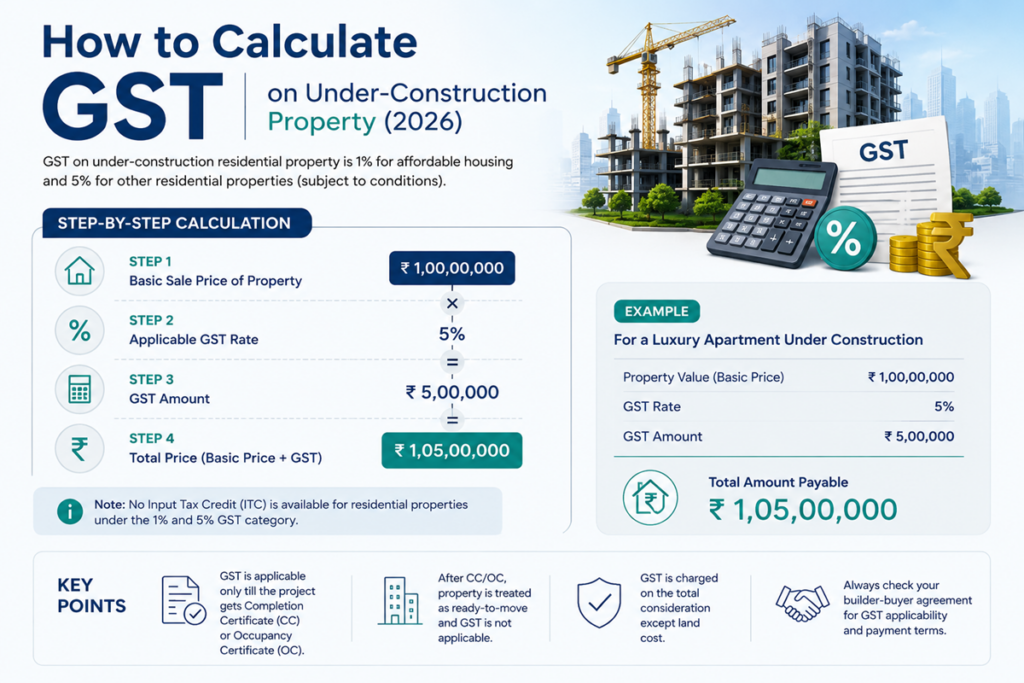
You calculate GST on an under-construction flat by first reducing the agreement value by one-third as a standard land deduction, then applying the correct GST rate (1% or 5%) on the remaining two‑thirds, and adding this GST to your cost.
GST calculation on under-construction property

Calculating GST on an under-construction property is straightforward once you know whether the home qualifies as affordable housing or non-affordable housing. The GST is calculated on the base sale price of the property (excluding stamp duty, registration charges, and other government levies).

Formula:

GST Amount = Base Property Price × Applicable GST Rate

The final amount payable is:

Total Cost = Base Property Price + GST

Let’s understand this with a few practical examples. Besides GST, buyers should also account for stamp duty and registration charges in Haryana when estimating the total property cost.

Example 1: Affordable Housing Flat

Suppose you’re buying an under-construction flat in a non-metro city for ₹38 lakh. The apartment has a carpet area of 85 sq. m., which falls within the affordable housing criteria.

ParticularsAmount
Base Property Price₹38,00,000
Applicable GST Rate1%
GST Payable₹38,000
Total Purchase Cost₹38,38,000

Takeaway: Since the property qualifies as affordable housing, you pay GST at only 1%, keeping the overall tax burden relatively low.

Example 2: Non-Affordable Under-Construction Flat

Now consider a buyer purchasing a 2 BHK apartment in a metro city for ₹95 lakh. Although the carpet area is 75 sq. m., it exceeds the affordable housing limit for metro cities, so the property falls under the non-affordable category.

ParticularsAmount
Base Property Price₹95,00,000
Applicable GST Rate5%
GST Payable₹4,75,000
Total Purchase Cost₹99,75,000

Takeaway: Properties that don’t qualify as affordable housing attract 5% GST, resulting in a higher overall purchase cost.

Example 3: GST on Instalment-Based Payments

Most under-construction properties are purchased through construction-linked payment plans, where buyers pay in stages as construction progresses.

GST is applicable only on instalments paid before the Completion Certificate (CC) or Occupancy Certificate (OC) is issued. Any payment made after the project receives the CC/OC is not subject to GST.

Construction StageInstalment AmountGST (5%)Total Payable
Booking Amount₹10,00,000₹50,000₹10,50,000
Foundation Completion₹15,00,000₹75,000₹15,75,000
Slab Completion₹20,00,000₹1,00,000₹21,00,000
Final Payment (After CC/OC)₹50,00,000₹0₹50,00,000

Key Point: GST is charged only on payments made while the property is under construction. Once the builder receives the Completion Certificate (CC) or Occupancy Certificate (OC), any remaining payment is treated as the sale of a completed property and is not liable to GST.

GST on Luxury Apartments in Gurgaon

Most premium residential projects in Gurgaon fall under the 5% GST category, as they generally exceed the affordable housing limits. If you’re planning to invest in a luxury apartment, it’s important to calculate:

  • GST
  • Stamp Duty
  • Registration Charges
  • Maintenance Deposits
  • Club Membership Charges
  • Parking Charges

Knowing the complete acquisition cost helps you plan your investment more accurately. Before investing, compare the latest property rates in Gurgaon to make a well-informed buying decision.

Affordable Housing vs Luxury Housing

FeatureAffordable HousingLuxury Housing
GST1%5%
Property ValueUp to ₹45 lakh (subject to eligibility)Above affordable threshold
ITCNoNo
Target BuyersFirst-time buyersPremium buyers

What is the Difference Between GST and Stamp Duty?

Many buyers assume GST replaces stamp duty, but these are different charges. In many states, both GST (where applicable) and stamp duty must be paid during the purchase process.

AspectGSTStamp Duty
Levied byCentral Government (via GST Council)State Government
Applies toUnder-construction property purchase (as a service)All property transactions (registration)
Rate1% or 5% (residential)Typically 5–8%, varies by state
When paidDuring construction, per instalmentAt the time of property registration
Applicable on resale/ready properties?NoYes
Governing lawCGST Act, 2017State Stamp Act

Common Mistakes Homebuyers Make While Paying GST on Under-Construction Property

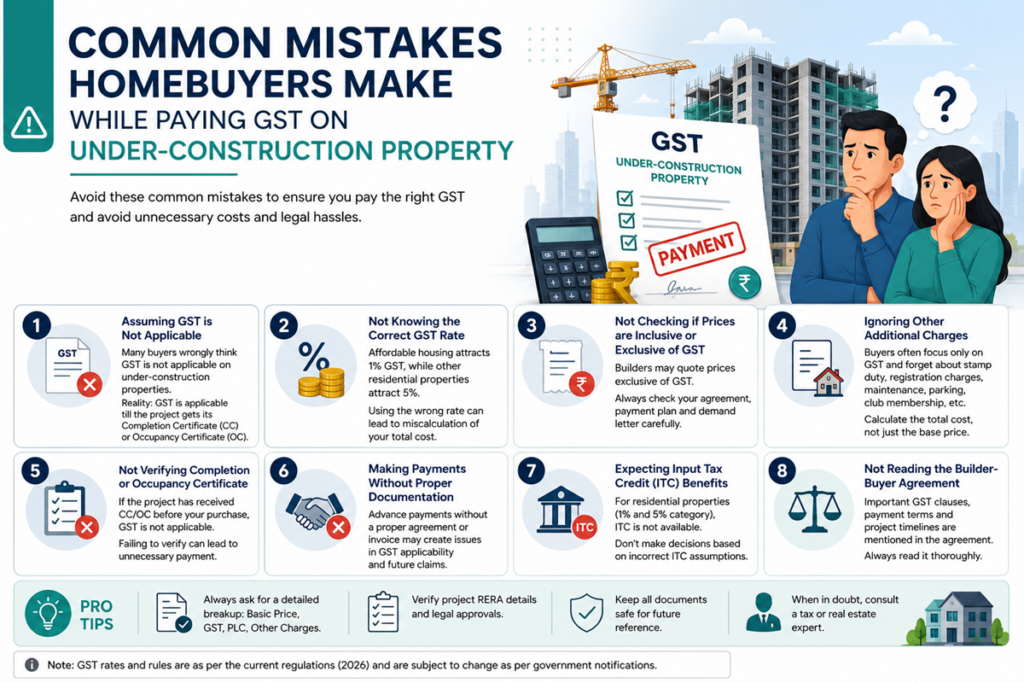
Buying an under-construction property involves more than just comparing prices. Many homebuyers misunderstand how GST works, which can lead to unexpected costs or confusion during the purchase process.
Common GST mistakes for homebuyers

Here are some of the most common mistakes to avoid.

  • Assuming GST applies to every property purchase.
  • Forgetting to check whether the project has a Completion Certificate.
  • Ignoring additional charges such as registration fees and stamp duty.
  • Calculating GST only on the advertised property price without understanding the payment structure.
  • Not asking the developer for a detailed cost sheet.

Tips Before Buying an Under-Construction Property

Buying an under-construction property can be a smart investment, but it also requires careful planning. Before making your decision, keep these important tips in mind to avoid unnecessary risks and unexpected costs.

Before booking your dream home:

  • Verify the project’s RERA registration.
  • Check construction progress.
  • Review the payment schedule.
  • Confirm GST applicability.
  • Ask for the latest demand letter.
  • Verify Completion Certificate timelines.
  • Compare the total acquisition cost instead of just the base price.

Always verify whether the project is RERA registered. Learn more about RERA in Real Estate and why it matters.

Pro Tip: Before paying the booking amount, request a detailed cost sheet from the developer that clearly lists the base price, GST, stamp duty, registration charges, PLC (if applicable), parking charges, maintenance deposits, and any other applicable fees. Understanding the complete financial commitment upfront helps you make an informed and confident home-buying decision.

Why Buyers Choose Under-Construction Projects

Under-construction properties continue to attract homebuyers and investors because they often offer better value, flexible payment options, and stronger long-term appreciation. When purchased from a reputable developer, these projects can provide significant financial and lifestyle advantages.

Despite GST, under-construction homes continue to attract buyers because they often offer:

  • Lower entry prices
  • Flexible payment plans
  • Better appreciation potential
  • More inventory choices
  • Newer amenities and layouts

For many long-term buyers, these advantages can outweigh the additional GST cost. Avoid costly mistakes by following our complete Home Buying Checklist before booking your property.

How Does GST Affect the Real Estate Sector?

The introduction of the Goods and Services Tax (GST) has significantly changed India’s real estate sector by bringing greater transparency and simplifying the indirect tax structure. Instead of multiple state and central taxes, GST introduced a unified tax system for under-construction properties, making property transactions more streamlined and easier to understand.
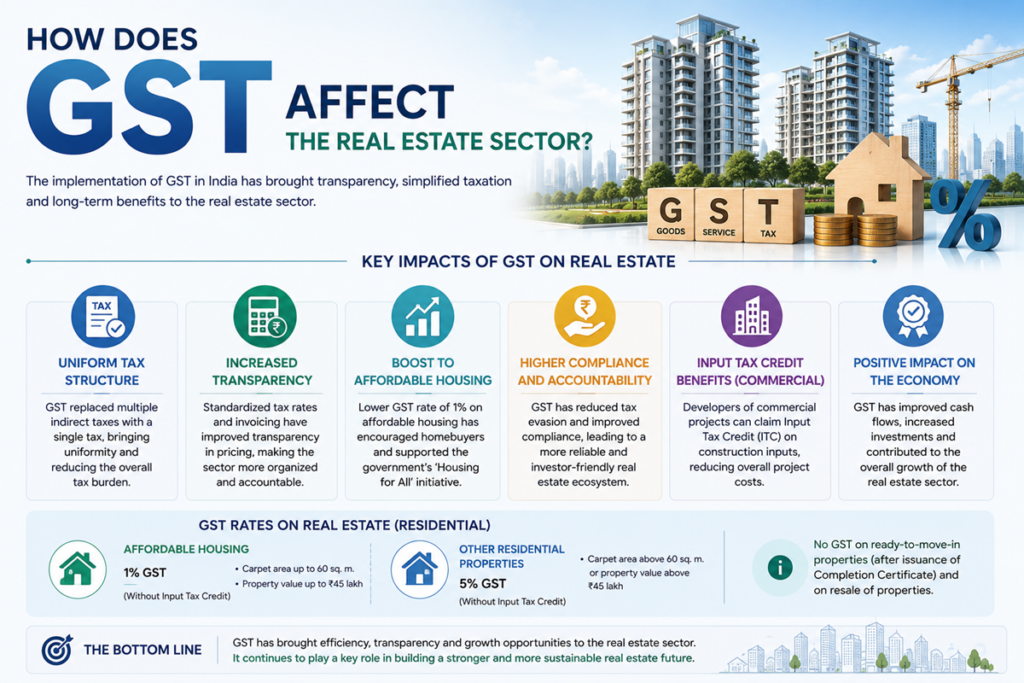
How GST impacts the real estate sector

While ready-to-move-in properties with a Completion Certificate (CC) or Occupancy Certificate (OC) remain exempt from GST, under-construction residential properties attract GST based on the applicable rate. Here’s how GST has influenced the real estate market:

1. Increased Transparency

GST replaced multiple indirect taxes such as VAT, service tax, and various state-level levies with a single tax system. This has made pricing more transparent, helping buyers better understand the overall cost of purchasing a property.

2. Simplified Tax Structure

A uniform GST framework has reduced the complexity of property taxation. Buyers no longer need to calculate multiple indirect taxes separately, making transactions more straightforward.

3. Greater Confidence for Homebuyers

The combination of GST and the Real Estate (Regulation and Development) Act (RERA) has improved transparency and accountability across the sector. Buyers now have clearer information about pricing, project timelines, and regulatory compliance.

4. Impact on Under-Construction Properties

GST is applicable only to under-construction residential properties, while completed properties with a valid Completion Certificate (CC) or Occupancy Certificate (OC) are not subject to GST. Buyers should therefore factor GST into the total cost when purchasing an under-construction home.

5. Boost to the Affordable Housing Segment

The reduced 1% GST rate for eligible affordable housing projects has helped make homeownership more accessible for many first-time buyers, supporting the government’s affordable housing initiatives.

6. Better Compliance Across the Industry

GST has encouraged developers to maintain more accurate financial records, adopt digital invoicing, and follow standardized tax compliance practices, contributing to a more organized real estate sector.

7. Improved Buyer Awareness

Homebuyers today are more informed about taxes, payment schedules, and the total cost of ownership. This has encouraged greater due diligence before making a property purchase.

8. Continued Long-Term Market Growth

Despite GST increasing the upfront cost of under-construction properties, India’s real estate sector continues to grow, driven by rapid urbanisation, infrastructure development, rising incomes, premium housing demand, and increasing institutional investment. For most buyers, choosing the right project, location, and developer remains far more important than GST alone when evaluating long-term returns.

If you’re looking for premium homes in Gurgaon, explore Ganga Realty projects to discover thoughtfully designed luxury residences in some of the city’s most sought-after locations.
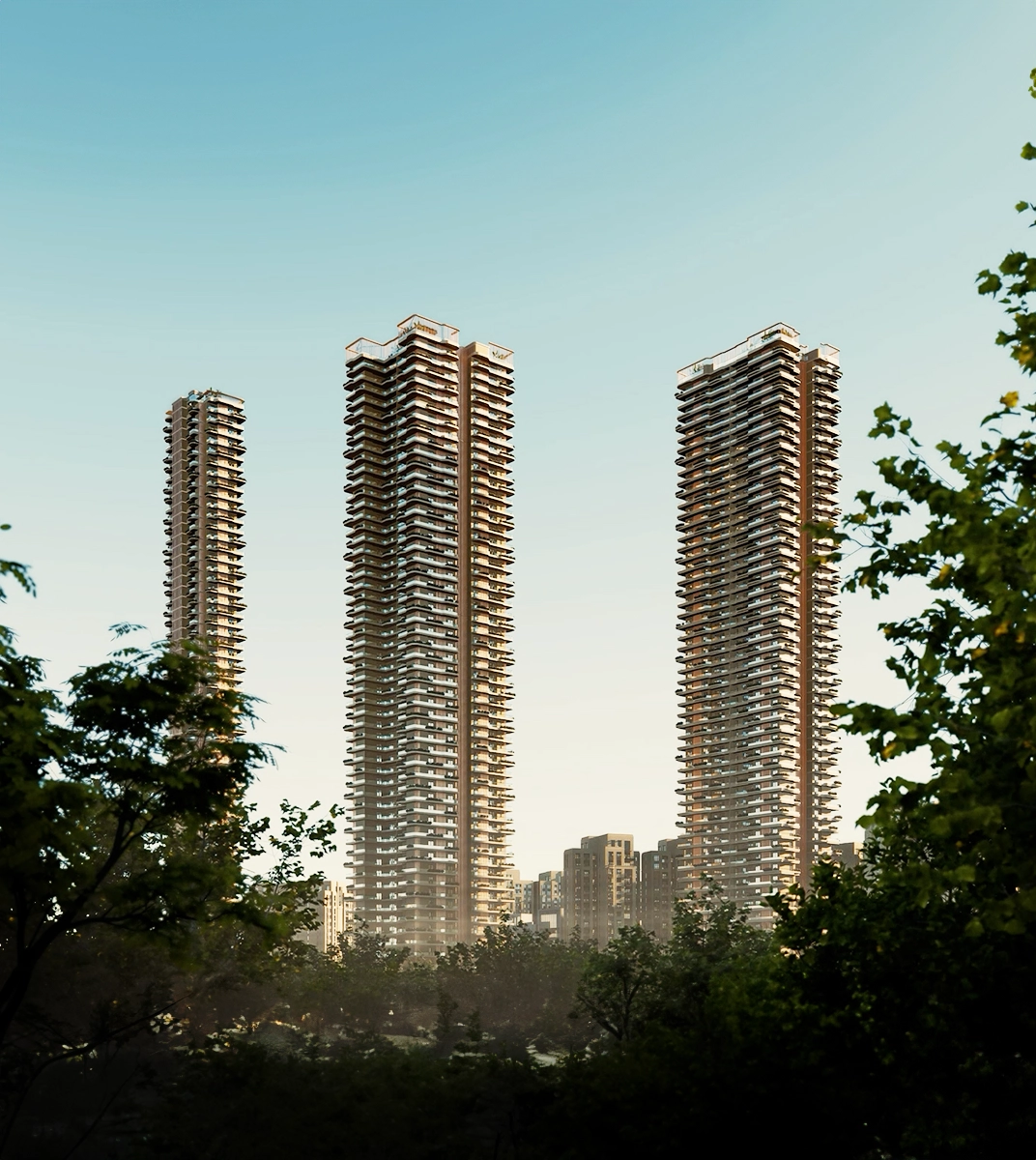
anantam85

Anantam 85

Ultra-luxury residences on Dwarka Expressway offering expansive green spaces and world-class amenities.

View Project

nandaka84

Nandaka 84

Modern residential community in New Gurgaon designed for connectivity, comfort, and lifestyle.

View Project
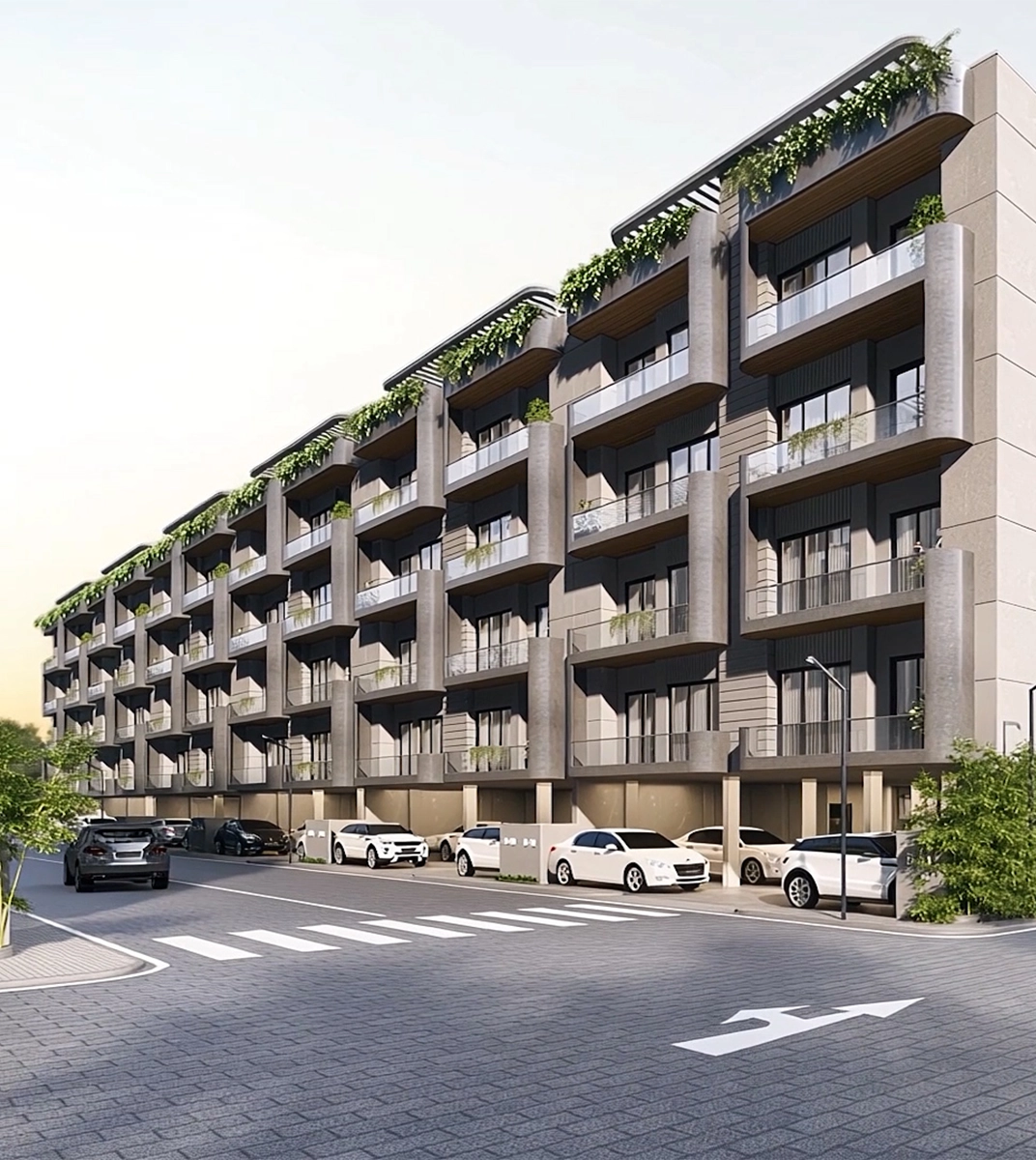
kashi-residences

Ganga Kashi Residences

Premium residential development offering peaceful living with contemporary amenities.

View Project
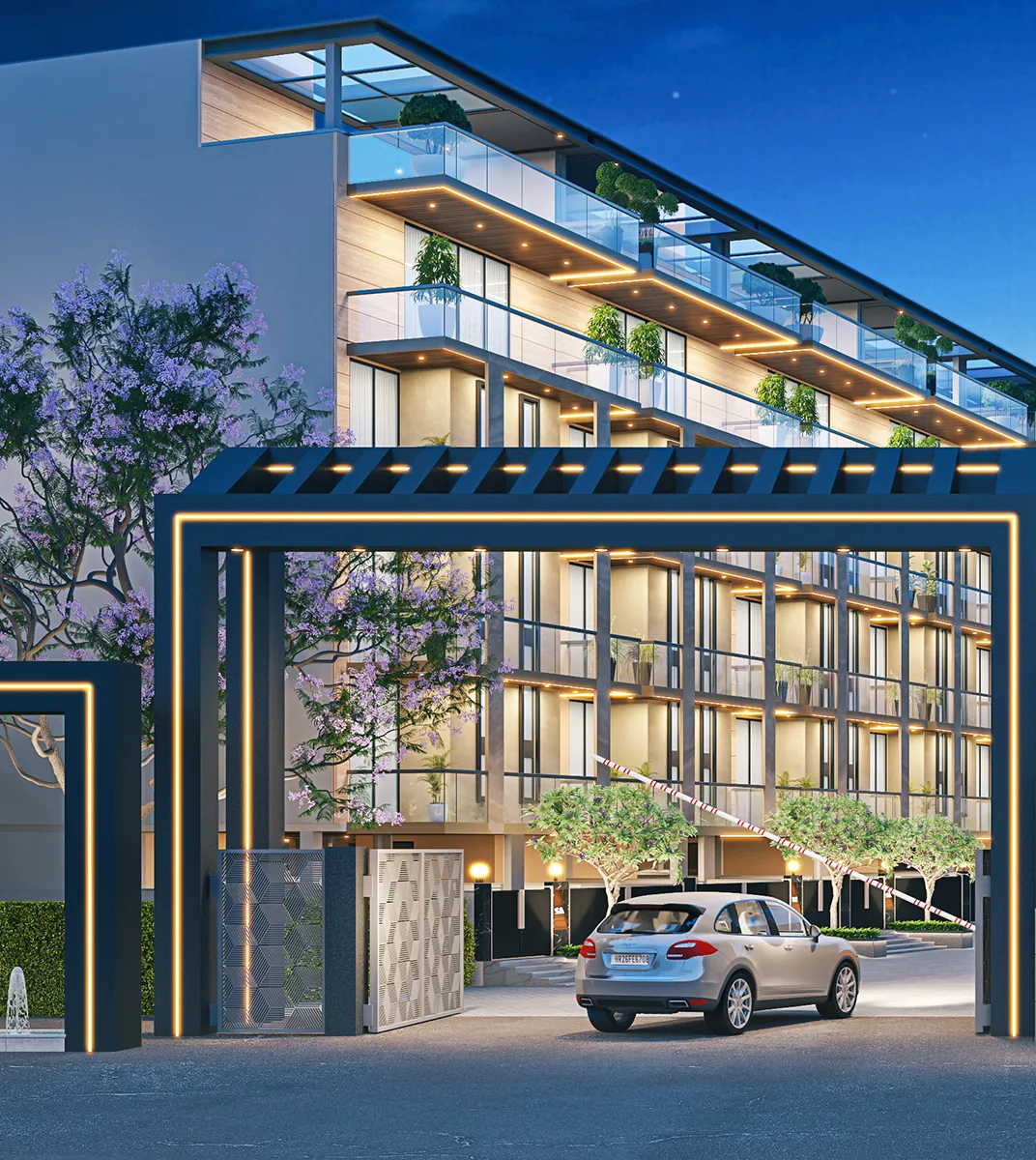
ganga-valley

Ganga Valley 78

Integrated township living with lush green spaces and a complete lifestyle ecosystem.

View Project

Conclusion

Understanding GST on under-construction property is essential before making any real estate investment. While GST increases the upfront purchase cost for under-construction homes, these projects often offer attractive pricing, flexible payment plans, and long-term appreciation potential.

At Ganga Realty, transparency is a key part of the buying experience. Whether you’re looking for a luxury apartment or a long-term investment in Gurgaon, you receive clear information about pricing, taxes, payment schedules, and project documentation.

FAQs About GST on Under-Construction Property

The GST rates remain:

  • 1% for affordable housing (without ITC)
  • 5% for non-affordable residential properties (without ITC)

Commercial properties may attract different GST rates based on applicable regulations.

No. If a property has received a Completion Certificate (CC) or Occupancy Certificate (OC) before the sale, GST is not applicable. However, buyers must still pay applicable stamp duty and registration charges.

To calculate GST on an under-construction property, multiply the base sale price (excluding stamp duty and registration charges) by the applicable GST rate.

Formula:

GST Amount = Base Property Price × Applicable GST Rate

Example:

  • Base Property Price: ₹1,00,00,000
  • GST Rate: 5%
  • GST Payable: ₹5,00,000
  • Total Cost: ₹1,05,00,000

For affordable housing, the GST rate is 1%, while non-affordable residential properties attract 5% GST (both without Input Tax Credit). GST is applicable only on under-construction properties sold before the Completion Certificate (CC) or Occupancy Certificate (OC) is issued

No. GST is generally not applicable on the purchase of resale residential properties from individual owners.

Yes. Under-construction luxury apartments generally attract 5% GST without Input Tax Credit, provided they are sold before the Completion Certificate or Occupancy Certificate is issued.

If you’re planning to invest in a premium residential property, Explore Ganga Realty Projects to discover thoughtfully designed luxury communities across Gurgaon, offering excellent connectivity, modern amenities, and long-term investment potential.


Enquire Now

Recent Posts

Low-Rise vs High-Rise Apartments in Gurugram: The Ultimate Homebuyer Guide
18 August 2026|12 Minutes Read

Low-Rise vs High-Rise Apartments in Gurugram: The Ultimate Homebuyer Guide

One of the most important decisions is choosing between low-rise and high-rise apartments in Gurgaon. Choosing a home in Gurgaon is no longer simply about selecting a location or comparing property prices. With rapid development across New Gurgaon, Dwarka Expressway, Sector 84, Sector 85, Sector 89, Sector 90 and Sohna Road, home buyers today have a wide range of residential options. Low-rise residences generally offer a lower-density environment, greater privacy and a more intimate community experience. High-rise apartments, on the other hand, combine vertical living with modern amenities, panoramic views, enhanced security and integrated lifestyle facilities. So, which is better? The answer depends on your lifestyle, family requirements, budget, preferred location and long-term investment goals. This guide compares low-rise vs high-rise apartments in Gurgaon across privacy, amenities, maintenance, security, connectivity, views, lifestyle and investment potential. For a broader understanding of the city's residential market, explore Ganga Realty's guide to property rates in Gurgaon, which covers current pricing trends, premium residential corridors and factors influencing property values in 2026. Low-Rise vs High-Rise Apartments in Gurgaon: Quick Comparison FactorLow-Rise ApartmentsHigh-Rise ApartmentsBuilding heightFewer floorsMultiple floors/tall towersPrivacyGenerally higherDepends on project planningAmenitiesModerate to extensiveUsually extensiveViewsNeighbourhood-orientedPanoramic and elevatedElevatorsLower dependencyMultiple liftsCommunitySmaller and intimateLarger integrated communitySecurityDepends on projectUsually integrated systemsMaintenanceCan be comparatively lowerCan be higherOpen spacesDepends on developmentOften landscaped and plannedLifestyleQuiet and low-densityPremium and amenity-richInvestment appealLocation-dependentStrong in premium corridors This comparison shows that there is no universal winner. The best apartment depends on your priorities and the quality of the individual development. What Are Low-Rise Apartments? Low-rise apartments are residential buildings with relatively fewer floors compared with conventional high-rise towers. They are often designed around a lower-density living environment. For buyers who prefer independent-home-like living with apartment conveniences, low-rise residences can be particularly attractive. These homes may offer fewer neighbours, easier access to common areas and a quieter residential atmosphere. They can also appeal to families who prefer smaller communities over large residential towers. Key Features of Low-Rise Apartments Typical characteristics include: Fewer residential floors Lower population density Greater sense of privacy Smaller residential communities Easier access to ground-level areas Lower dependence on elevators A quieter neighbourhood-like environment For buyers searching for a peaceful residential lifestyle, low-rise housing can provide a good balance between privacy and community living. What Are High-Rise Apartments? High-rise apartments are multi-storey residential towers designed to accommodate a larger number of homes vertically. High-rise developments have become an important part of modern residential development in Gurgaon, particularly across premium corridors such as New Gurgaon and Dwarka Expressway. Large high-rise communities can accommodate extensive lifestyle facilities, including clubhouses, swimming pools, fitness centres, landscaped gardens, sports facilities, children's play areas, lounges and dedicated security infrastructure. For buyers searching for a luxury apartment in Gurgaon, high-rise developments can provide an integrated lifestyle where multiple amenities are available within the residential community. Gurgaon's high-rise residential market is particularly prominent around the Dwarka Expressway corridor. Read Ganga Realty's detailed guide on property in Dwarka Expressway, Gurgaon to understand the corridor's connectivity, residential demand and investment potential. Low-Rise vs High-Rise Apartments: Which Offers More Privacy? Privacy is one of the strongest reasons some home buyers prefer low-rise residences. With fewer homes per building, low-rise developments can create a more intimate residential environment. There may be fewer people sharing corridors, elevators and other common areas. High-rise apartments generally accommodate more residents. However, premium high-rise projects can address this through thoughtful tower planning, spacious floor plates, private lift lobbies and limited apartments per floor. Therefore, buyers should not judge privacy simply by the number of floors. Instead, evaluate: Number of apartments per floor Number of towers Lift-to-apartment ratio Distance between towers Balcony orientation Common-area density Overall master planning If privacy is your highest priority, a low-rise residence may have an advantage. If you want privacy along with extensive amenities, a well-planned high-rise development can provide an excellent balance. High-Rise Apartments Offer Better Views One of the clearest advantages of high-rise living is the view. As floor levels increase, residents can enjoy broader views of the surrounding landscape, city skyline and landscaped community spaces. This is particularly attractive in Gurgaon, where the city's rapidly evolving skyline has become an important part of its luxury real estate identity. For buyers considering premium apartments in Gurgaon, higher floors can offer: Better natural light Greater visual openness Reduced obstruction Wider skyline views Improved privacy from surrounding developments However, buyers should not assume that every high-rise apartment automatically offers a better view. The surrounding master plan, tower orientation and future development should also be evaluated before purchasing. Amenities: Low-Rise vs High-Rise Housing in Gurgaon Amenities have become a major factor in modern home buying. High-rise residential projects often have an advantage because larger developments can support extensive common facilities. Depending on the project, these may include: Clubhouses Swimming pools Fitness centres Yoga and wellness spaces Sports courts Children's play areas Jogging tracks Landscaped gardens Multipurpose halls Community lounges Co-working spaces Visitor management systems Smart security infrastructure Low-rise developments can also offer premium amenities, but the scale and variety depend on the project. Therefore, don't choose a property based solely on whether it is low-rise or high-rise. Compare the actual amenities, open spaces, community planning and lifestyle infrastructure offered by each development. Security and Safety Considerations Security is an important consideration when buying any residential property in Gurgaon. Modern gated communities increasingly use integrated security systems, including controlled entry points, CCTV surveillance, security personnel, visitor management and access-controlled common areas. High-rise buyers should pay particular attention to fire and emergency infrastructure. Before buying, check: CCTV coverage Gated entry and exit Visitor management Security personnel Fire alarms Fire sprinklers Emergency exits Evacuation plans Lift safety Power backup Parking security For high-rise apartments, fire safety deserves particular attention because emergency evacuation becomes more complex as building height increases. Always verify the project's applicable approvals, RERA registration and safety provisions before making a purchase decision. Maintenance Costs: Low-Rise vs High-Rise Apartments Maintenance costs vary from project to project. Low-rise residences may have fewer elevators and comparatively fewer common facilities, potentially reducing some operational expenses. High-rise developments generally require regular maintenance of: Elevators Fire-safety infrastructure Security systems Common-area lighting Clubhouses Swimming pools Landscaping Mechanical systems Electrical systems As a result, monthly maintenance charges can be higher in amenity-rich high-rise communities. However, maintenance cost should not be evaluated in isolation. Instead of asking: "Which apartment has lower maintenance?" Ask: "What value am I receiving for the maintenance charges I pay?" A professionally managed luxury residential community may justify higher maintenance through superior amenities, security, landscaping and property management. Location Matters More Than Building Height When comparing low-rise vs high-rise apartments in Gurgaon, location should remain one of the most important considerations. A well-located low-rise property can offer better convenience and long-term demand than a poorly located high-rise development. Before buying a home, evaluate proximity to: Dwarka Expressway NH-48 Southern Peripheral Road Major employment hubs Schools Hospitals Shopping centres Metro connectivity IGI Airport Business districts New Gurgaon has emerged as an important residential destination because of its planned infrastructure, expanding social infrastructure and proximity to major business corridors. In addition, for buyers evaluating Sector 85, Ganga Realty's Sector 85 Gurgaon guide provides insights into development and the market. Low-Rise vs High-Rise Apartments for Families Families should evaluate their choice based on lifestyle, age groups and everyday requirements. Low-rise apartments may appeal to families who prefer: Quieter surroundings Smaller communities Greater privacy Lower-density living Easier accessibility High-rise apartments can be attractive to families who value: Children's play areas Sports facilities Clubhouse amenities Community activities Landscaped open spaces Fitness and wellness facilities Integrated security For multi generational families, accessibility should be a key consideration. Check elevator availability, emergency access, walking distances, parking arrangements and proximity to schools and healthcare facilities before making a decision. Which Is Better for Senior Citizens? For senior citizens, convenience and accessibility are often more important than building height. A low-rise home may provide easier access to outdoor spaces and essential facilities. However, a well-planned high-rise with multiple elevators, reliable power backup, security and accessible common areas can also be highly suitable. Before buying, consider: Elevator availability and reliability Emergency power backup Walking distances Accessibility ramps Nearby healthcare facilities Security Noise levels Availability of landscaped areas and seating The best apartment is ultimately the one that makes everyday living comfortable, accessible and convenient. Investment Potential: Low-Rise vs High-Rise Property in Gurgaon From an investment perspective, there is no universal winner between low-rise and high-rise apartments. Property appreciation depends on multiple factors, including location, infrastructure, developer reputation, project quality, demand, supply and connectivity. High-rise projects can benefit from strong demand in premium urban locations where buyers value amenities, views and integrated community living. For a broader investment perspective, read Ganga Realty's Gurgaon real estate investment guide. Low-rise properties can attract buyers who prefer lower-density housing, greater privacy and a more intimate residential environment. For investors, consider: Micro-market demand Price per square foot Rental demand Developer reputation Project completion status RERA registration Infrastructure development Future residential supply Resale demand Quality of construction If you are also comparing different residential asset classes, our guide to plots vs apartments in Gurgaon explains the differences in ROI, rental income, appreciation and long-term investment considerations. New Gurgaon: Why Location and Lifestyle Are Both Important New Gurgaon has become an increasingly important residential market for home buyers looking for modern infrastructure, premium housing and long-term connectivity. Sectors such as 84, 85, 89 and 90 have witnessed increasing residential development, while their proximity to major roads and employment hubs has strengthened their appeal. Sector 90, for example, is emerging as a growing residential micro-market with connectivity to Dwarka Expressway, NH-48 and Pataudi Road. home buyers researching this area can explore Ganga Realty's guide to property rates in Sector 90 Gurgaon for information on current price trends, residential demand and factors influencing property values. For a broader lifestyle perspective, see the guide to why Sector 90 Gurgaon is emerging as a luxury living destination. Explore Luxury High-Rise and Premium Residences by Ganga Realty For home buyers looking for premium residential communities in New Gurgaon, Ganga Realty offers projects designed around modern architecture, lifestyle amenities, connectivity and spacious living. Nandaka 84 – Luxury Apartments in Sector 84 Nandaka 84 is a luxury residential development in Sector 84, New Gurgaon, designed for buyers seeking spacious residences, premium amenities, open spaces and convenient access to major connectivity corridors. Its location near Dwarka Expressway makes it an option for home buyers looking for luxury apartments in Sector 84 Gurgaon with access to the wider New Gurgaon ecosystem. Anantam 85 – Ultra-Luxury High-Rise Living Anantam 85 represents an ultra-luxury high-rise residential experience in Sector 85, Gurgaon. Designed for buyers seeking elevated urban living, the project combines high-rise architecture, premium residences, lifestyle amenities and connectivity to Dwarka Expressway. For buyers specifically comparing high-rise apartments in Gurgaon, Anantam 85 is an example of how vertical living can combine privacy, views, amenities and premium community infrastructure. Anantam 85 Ultra-luxury residences on Dwarka Expressway offering expansive green spaces and world-class amenities. View Project Nandaka 84 Modern residential community in New Gurgaon designed for connectivity, comfort, and lifestyle. View Project Ganga Kashi Residences Premium residential development offering peaceful living with contemporary amenities. View Project Ganga Valley 78 Integrated township living with lush green spaces and a complete lifestyle ecosystem. View Project What Should home buyers Check Before Buying an Apartment? Regardless of whether you choose a low-rise or high-rise apartment in Gurgaon, proper due diligence is essential. 1. Check the Developer's Track Record Research the developer's completed projects, construction quality, delivery record and reputation. 2. Verify RERA Registration Check the project's applicable RERA registration and official project information before making a financial commitment. 3. Compare Carpet Area Do not compare apartments only on super built-up area. Understand the difference between: Carpet area Built-up area Super built-up area This will help you determine the actual usable space you are purchasing. 4. Study the Floor Plan Check: Room sizes Balcony positioning Natural ventilation Storage Utility areas Privacy between bedrooms Overall space efficiency 5. Evaluate Connectivity Daily commute convenience can have a greater impact on your lifestyle than building height. Evaluate access to major roads, offices, schools, hospitals, shopping destinations and public transport. 6. Understand Maintenance Charges Ask the developer or management team about expected maintenance charges and exactly which services and facilities are included. 7. Check Parking Understand whether parking is: Allocated Stilt parking Basement parking Additional-cost parking Visitor parking 8. Evaluate Future Development Look beyond the immediate surroundings. Upcoming roads, commercial developments, residential projects and infrastructure can influence both lifestyle and future property demand. For an overall view of current Gurgaon property pricing, refer to the latest property rates in Gurgaon before comparing individual projects. Low-Rise vs High-Rise Apartments: Which One Should You Choose? Your decision can be simplified based on your priorities. Choose a Low-Rise Apartment If You Prioritise: Privacy Lower-density living Smaller communities Peaceful surroundings Easier accessibility A neighbourhood-like atmosphere Choose a High-Rise Apartment If You Prioritise: Panoramic views Premium amenities Modern security Large residential communities Clubhouse lifestyle Contemporary architecture Elevated urban living For many modern home buyers, the decision ultimately comes down to lifestyle rather than building height. Final Verdict: Low-Rise vs High-Rise Apartments in Gurgaon There is no single answer to the low-rise vs high-rise apartments in Gurgaon debate. Low-rise residences can provide privacy, lower-density living and a more intimate community environment. High-rise apartments can offer panoramic views, extensive amenities, integrated security and a premium urban lifestyle. The smartest decision is to evaluate five core factors: Location + Lifestyle + Budget + Project Quality + Long-Term Value If you are buying a home for your family, visit different property formats before making a final decision. Walk through the actual apartment, inspect common areas, understand maintenance costs, evaluate connectivity and verify the project's documentation. Most importantly, don't choose a property simply because it is low-rise or high-rise. Choose a home that fits the way you want to live today—and the way you expect to live tomorrow. FAQs About Low-Rise vs High-Rise Apartments in Gurgaon

Read More
Gurugram Circle Rate Hike 2026: What It Means for Plot Buyers
27 July 2026|5 Minutes Read

Gurugram Circle Rate Hike 2026: What It Means for Plot Buyers

On 1 April 2026, the Gurugram district administration notified a revised set of collector rates, the third such revision since 2024. The response was immediate and loud, largely because the headline number sounded alarming: increases of up to 75 percent in certain pockets. For anyone currently evaluating plotted development projects in Gurugram, the more useful question is not how big the hike was, but what it actually tells you about where land value is heading. Read correctly,Gurugram Circle Rate Hike 2026 is less a cost shock and more a confirmation of something the market already knew. What the April 2026 Revision Actually Changed A circle rate, also called a collector rate or guidance value, is the minimum value at which a property can legally be registered in a given locality. Stamp duty and registration charges are calculated on it. A buyer may pay above it, never below it. The 2026 notification was deliberately uneven rather than blanket. Roughly half of all notified areas in Gurugram saw no revision whatsoever. About a tenth recorded a visible increase. Most revised localities moved within a 15 to 30 percent band, while a narrow set of fast-developing corridors, notably along the Dwarka Expressway and adjoining commercial belts, absorbed the sharpest jumps. Several residential sectors in the 60s and 70s were revised by close to 30 percent, and a handful of commercial pockets carried the steepest correction of all. The administration's stated intent was straightforward: narrow the widening gap between official valuation and real transaction values. Why Plot Buyers Feel This More Directly Than Apartment Buyers In an apartment purchase, land value is diluted across an undivided share and the construction component absorbs a large part of the price. In a plot purchase, you are buying land and nothing else. A revision in land valuation therefore flows through almost one to one. That has two consequences worth separating. The first is cost. Higher registered value means higher stamp duty Gurgaon  and registration outgo at the time of conveyance. This is a real, immediate, one-time increase. The second is far more interesting. A revised circle rate creates a published floor. It becomes harder for anyone to transact quietly below the notified benchmark, which pulls a historically opaque segment toward transparency. Gurgaon plot buyers  assessing gated plotted communities in Gurugram benefit from this, because the value of their asset is now anchored to an official number rather than to hearsay from local brokers. If you have been comparing residential plots in Gurugram across the SPR and Sector 78 belt, that anchoring works in your favour on resale. Doing the Arithmetic Before You Sign Stamp duty in Haryana runs at 7 percent for male buyers, 5 percent for female buyers and 6 percent for joint registration within municipal limits, with registration charges applied on top. Because these are percentages of the registered value, a 20 percent upward revision in the applicable circle rate translates into a proportionally higher closing cost wherever the revised rate exceeds your agreed consideration. On a large plot, that difference is not trivial. The practical rule is simple. Verify the notified rate for your specific sector before you finalise your budget, and provision for duty on whichever figure is higher, the circle rate or the sale price. Many buyers evaluating plotted development projects in Gurugram budget carefully for the plot and then get caught out by transaction costs at the registry. The Signal Beneath the Cost Circle Rate Gurgaon are lagging indicators, not leading ones. Governments raise them because the market has already moved, not to push it. When a corridor is revised by 25 or 30 percent, that is an official acknowledgement that transaction velocity and pricing in that belt outran the previous benchmark. Seen this way, a steep revision in a corridor you were already considering is a validation of your thesis rather than an argument against it. Sector 78 along the Southern Peripheral Road is a case in point. Its proximity to NH-48, Dwarka Expressway and the established employment nodes has kept demand tight, and DDJAY-approved gated plotted communities in Gurugram in this belt remain limited in supply. Scarcity plus official revaluation is a combination that historically supports appreciation. For buyers who prefer built form over land, the same corridor logic applies to luxury residences in Gurugram, where circle rate alignment strengthens the case for institutionally credible, RERA-registered inventory over informal alternatives. What Sensible Plot Buyers Should Do Now Check the sector-specific notification rather than relying on a city-wide average, since half of Gurugram saw no change. Confirm the licence category of the project, as DDJAY plotted colonies follow their own approval framework. Ask for the RERA registration number and match it against the Haryana RERA portal. Budget transaction costs on the higher of circle rate or consideration. Finally, prefer schemes with defined common infrastructure, since gated plotted communities in Gurugram hold value more reliably than scattered independent plots without shared amenities or security. The Bottom Line The 2026 hike raises the cost of entry modestly and raises the credibility of the asset class considerably. Land in Gurugram has been under-recorded relative to what it actually trades at for years, and this correction closes some of that gap. For serious buyers, plotted development projects in Gurugram backed by clear approvals and a developer with a delivery record remain among the most defensible ways to hold value in the National Capital Region. The rate card changed. The underlying case for well-planned land did not. Frequently Asked Questions [sp_easyaccordion id="4434"]

Read More

Luxury Living In Gurugram

Discover thoughtfully designed residences that blend modern architecture,
premium amenities, and sustainable living in the heart of the city.

--> -->