golf-course-extension-road-gurugram
27 August 2026|12 Minutes Read
By : Ganga Realty

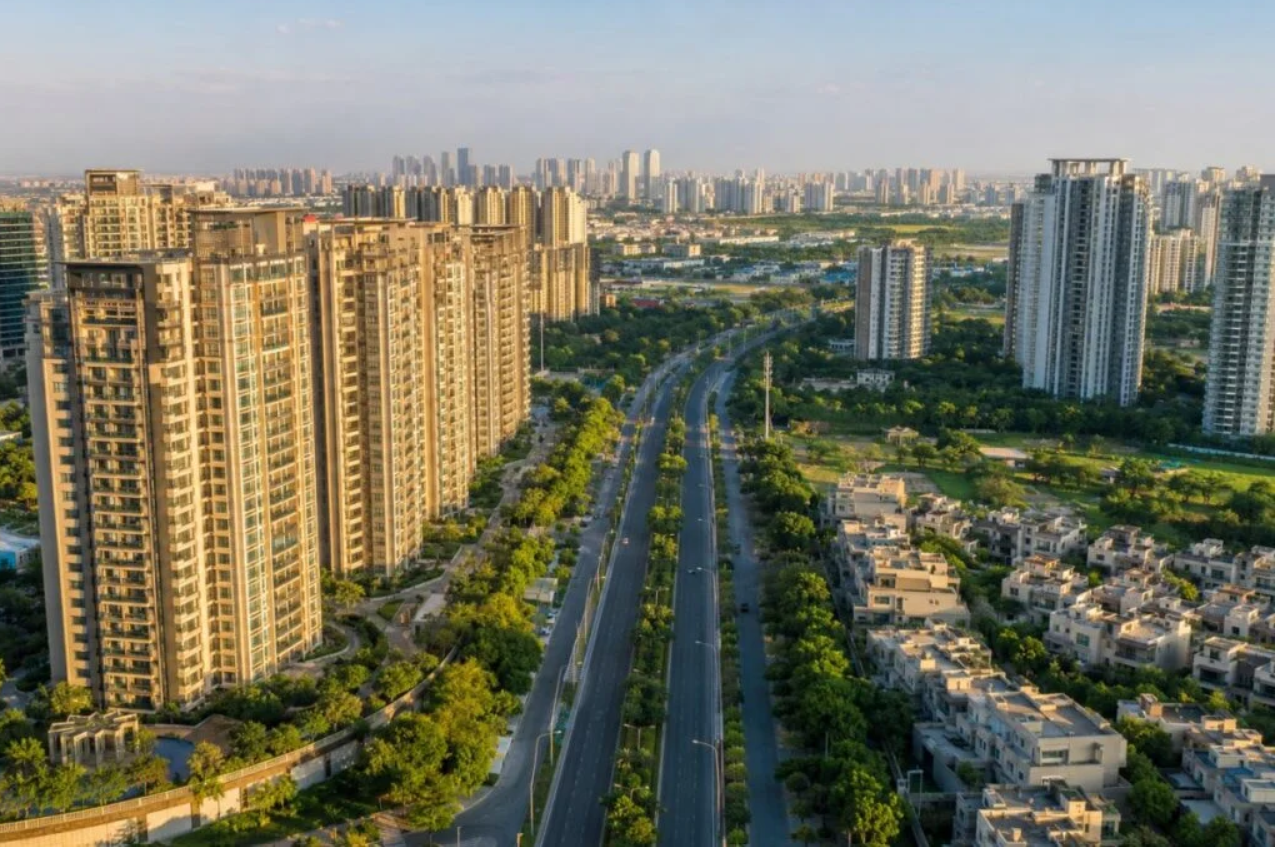
Golf Course Extension Road: Why It Remains Gurugram’s Premium Address

Gurugram has transformed from a corporate satellite city into one of India’s most influential real estate destinations. Within this rapidly evolving landscape, Golf Course Extension Road continues to stand apart as a premium residential and investment address.

Often referred to as Golf Course Extension Road Gurugram, the corridor has evolved significantly over the past decade. What was once considered an emerging alternative to Golf Course Road is now an established luxury real estate destination, supported by premium residences, high-quality social infrastructure, commercial developments and strategic road connectivity.

The appeal of property on Golf Course Extension Road goes beyond the address itself. It is the combination of location, lifestyle, accessibility, residential quality and long-term potential that continues to attract homebuyers, investors, HNIs and senior professionals.

For buyers exploring the broader premium housing landscape, Ganga Realty’s portfolio of luxury residential projects in Gurugram provides an insight into how contemporary residences are combining architecture, sustainability, lifestyle amenities and strategic locations.

What Makes Golf Course Extension Road a Premium Address?

A premium real estate address is not created by property prices alone. It is built through a combination of location advantage, infrastructure, accessibility, lifestyle, social infrastructure and exclusivity.

Golf Course Extension Road scores strongly across these parameters.

The corridor connects established parts of Gurugram with emerging residential and commercial zones toward Sohna Road and the Southern Peripheral Road. Its strategic position gives residents multiple routes toward major employment centres and key parts of Delhi-NCR.

For luxury homebuyers, this creates an important advantage: they can enjoy a modern residential environment without being disconnected from Gurugram’s established business ecosystem.

Strategic Location Between Established and Emerging Gurugram

One of the strongest advantages of Golf Course Extension Road Gurugram is its location. The corridor provides access toward:

  • Golf Course Road
  • Sohna Road
  • Southern Peripheral Road
  • NH-48
  • Cyber City and major employment hubs
  • Central Gurugram
  • Delhi and IGI Airport

This connectivity gives the area relevance for both residential and investment demand.

Unlike isolated emerging micro-markets, Golf Course Extension Road benefits from its relationship with already established destinations. This creates a stronger ecosystem for residents and businesses.

Golf Course Extension Road Connectivity: A Major Advantage

Connectivity is one of the most important factors influencing premium real estate in Gurugram.

Golf Course Extension Road offers strong road connectivity to several major corridors. Residents can use Golf Course Road, Sohna Road, SPR and NH-48 depending on their destination.

The corridor’s relationship with the Southern Peripheral Road is particularly important for the wider Gurugram real estate market. SPR provides connectivity between major residential and commercial destinations and has contributed to the development of several emerging micro-markets.

For readers evaluating this corridor from an investment perspective, our detailed Southern Peripheral Road Gurugram investment guide provides additional context on connectivity, residential development and the area’s future potential.

Road Connectivity Supports Everyday Living

For many premium homebuyers, daily convenience matters more than theoretical connectivity.

Golf Course Extension Road’s road network provides access to workplaces, schools, healthcare facilities, retail destinations and neighbouring residential communities.

This makes Golf Course Extension Road property attractive to professionals who want to reduce daily travel friction while staying close to premium residential communities.

Luxury Residential Projects Are Changing the Character of the Corridor

Another reason Golf Course Extension Road remains a premium address is the quality and scale of residential development.

The corridor has attracted established developers and premium residential projects. Large-format apartments, luxury residences, private amenities, gated communities and lifestyle-focused developments have helped redefine the area’s housing market.

Today’s buyers are increasingly looking beyond the traditional definition of luxury. Luxury now includes:

  • Larger apartment layouts
  • Private balconies and terraces
  • Premium clubhouse facilities
  • Landscaped open spaces
  • Wellness and fitness facilities
  • Security and gated access
  • High-quality construction
  • Better privacy
  • Premium retail and dining nearby
  • Convenient access to schools and healthcare

This evolution has helped luxury apartments on Golf Course Extension Road become increasingly attractive to affluent homebuyers.

For a broader understanding of what defines premium housing in the city, our guide to luxury apartment amenities in Gurugram explores the features modern buyers increasingly expect from high-end residences.

A Lifestyle-Centric Residential Destination

Premium housing is ultimately about lifestyle.

Golf Course Extension Road benefits from a growing ecosystem of restaurants, cafés, retail destinations, entertainment options, schools, hospitals and residential communities.

This creates a more complete living environment where residents do not need to travel long distances for everyday requirements.

The corridor’s appeal reflects a broader shift in Gurugram real estate, where buyers increasingly seek homes that combine residential comfort, lifestyle convenience and connectivity.

This is also why modern luxury apartments in Gurugram are increasingly designed as complete lifestyle environments rather than simply residential buildings.

Premium Social Infrastructure Strengthens Residential Demand

The availability of quality social infrastructure is one of the strongest indicators of a mature residential market.

Around Golf Course Extension Road, residents have access to established schools, healthcare facilities, shopping destinations and lifestyle infrastructure.

For families, this is particularly important.

A luxury apartment may offer exceptional amenities inside the development, but the surrounding neighbourhood determines much of the actual living experience.

The combination of residential communities and supporting infrastructure has therefore strengthened the area’s appeal as a long-term premium residential destination in Gurugram.

Golf Course Extension Road and the Premium Buyer

The buyer profile in this micro-market has also evolved. The corridor increasingly attracts:

  • Senior corporate professionals
  • Entrepreneurs
  • HNIs
  • NRIs
  • Business owners
  • Investors seeking premium residential assets
  • Families upgrading to larger homes

These buyers typically prioritise location, privacy, brand reputation, amenities, lifestyle and long-term value rather than simply searching for the lowest price per square foot.

That shift in buyer profile reinforces the premium positioning of the corridor.

Why Golf Course Extension Road Appeals to Luxury Homebuyers

There is a fundamental difference between buying a home and buying an address.

A home provides shelter and comfort. A premium address can also provide convenience, social infrastructure, connectivity, lifestyle and a sense of exclusivity.

Golf Course Extension Road offers this combination.

Its proximity to established commercial hubs makes it relevant for working professionals. Its residential developments appeal to families. Its connectivity provides access to major roads. And its growing luxury ecosystem strengthens its appeal among affluent buyers.

This combination explains why luxury real estate in Gurugram continues to expand beyond traditional locations.

Golf Course Road vs Golf Course Extension Road

The two corridors are often compared because of their names and proximity. However, they represent different stages of Gurugram’s urban development.

Golf Course Road is the more established premium corridor, with mature commercial infrastructure, established residential communities and strong address value.

Golf Course Extension Road, meanwhile, offers a comparatively newer residential environment with modern developments, larger-format housing and access to the southern growth corridors.

For buyers looking for newer luxury apartments and contemporary residential communities, Golf Course Extension Road can offer a compelling alternative.

Ganga Realty has also covered the segment in its dedicated guide to luxury apartments on Golf Course Extension Road, which explores the corridor’s residential evolution and the growing demand for premium community living.

The important point is that Golf Course Extension Road is no longer simply an “alternative” to Golf Course Road. It has developed its own identity within Gurugram’s premium real estate market.

Investment Potential of Golf Course Extension Road

The investment case for Golf Course Extension Road real estate is based on several structural factors rather than a single short-term price movement.

1. Strong Location Fundamentals

The corridor sits between several important roads and employment zones. This creates underlying demand from both end-users and investors.

2. Premium Residential Demand

The increasing presence of luxury residential developments creates a stronger premium housing ecosystem.

3. Improving Infrastructure

Infrastructure improvements can enhance accessibility and support long-term development.

4. Limited Premium Locations

As Gurugram matures, premium land parcels in strategically located corridors become increasingly valuable.

5. End-User Demand

A strong end-user market can provide greater stability than markets driven purely by speculative investment.

For investors comparing different residential micro-markets, it is useful to look beyond one road and understand how New Gurugram, Dwarka Expressway, SPR and established premium corridors fit into the wider real estate ecosystem.

Ganga Realty’s analysis of emerging sectors in Gurugram real estate provides additional context on how residential growth is spreading across Gurugram.

Property Prices on Golf Course Extension Road

Property prices on Golf Course Extension Road vary significantly. Factors affecting the price of a property include:

  • Sector
  • Developer reputation
  • Project age
  • Apartment size
  • Floor
  • View
  • Construction quality
  • Amenities
  • Possession status
  • Proximity to major roads
  • Premium or golf-facing positioning

Buyers should therefore avoid evaluating the entire corridor using one average price. A better approach is to compare properties within the same sector, project category and configuration.

The same principle applies when comparing luxury homes across Gurugram. Location, developer quality, design, amenities and construction standards can create substantial price differences between projects.

Is Golf Course Extension Road Good for Families?

Yes, particularly for families seeking a combination of premium housing and established urban infrastructure. A family-oriented location needs more than a beautiful apartment.

It needs schools, hospitals, shopping, recreation, safe residential communities and reasonable access to workplaces. Golf Course Extension Road’s surrounding ecosystem provides these requirements, making it suitable for both nuclear families and multi-generational households.

The availability of modern gated communities also gives families access to amenities such as swimming pools, gyms, sports facilities, landscaped areas, children’s play zones and community spaces.

What Can Buyers Learn From Ganga Realty’s Approach to Luxury?

The definition of luxury residential living is changing across Gurugram.

Today’s premium buyer increasingly looks for space, privacy, sustainability, wellness, design and convenience alongside an attractive location.

Ganga Realty’s luxury residential portfolio in Gurugram follows this broader approach, with projects designed around contemporary living, nature-inspired spaces, sustainability and premium amenities.

For example, Nandaka 84 in Sector 84 focuses on spacious 3 and 4 BHK residences and penthouses, landscaped surroundings and a nature-oriented residential experience. Buyers interested in the wider New Gurugram luxury market can explore Nandaka 84 as a relevant example of contemporary premium housing.

Similarly, Anantam 85 in Sector 85 represents another approach to ultra-luxury living, with high-rise residences, resort-inspired amenities and technology-led features. Explore Anantam 85 to understand how luxury residential development is evolving across New Gurugram.

While these projects are not located on Golf Course Extension Road itself, they demonstrate the wider shift in Gurugram toward premium, experience-led residential development.

Is Golf Course Extension Road a Good Place to Invest?

For long-term investors, the answer depends on the specific property rather than the road alone. The corridor has strong fundamentals, but investors should evaluate:

  1. Developer track record
  2. RERA registration and project approvals
  3. Construction and possession timeline
  4. Location within the corridor
  5. Price compared with nearby projects
  6. Rental demand
  7. Resale liquidity
  8. Maintenance costs
  9. Actual infrastructure availability
  10. Future development potential

A premium location cannot compensate for an overpriced or poorly executed project.

Therefore, investment in Golf Course Extension Road should be approached through project-level research rather than simply buying because the address is considered premium.

The Future of Golf Course Extension Road Gurugram

The next phase of the corridor is likely to be shaped by infrastructure upgrades, premium residential launches and the continued expansion of Gurugram’s southern employment and residential zones.

The more important trend is already visible: Golf Course Extension Road has moved from an emerging residential corridor to an established premium real estate destination.

Its future value will increasingly depend on quality of development rather than simply new development. That is a positive shift for the market.

Why Golf Course Extension Road Remains Gurugram’s Premium Address

The strength of Golf Course Extension Road lies in its balance. It combines the maturity of established Gurugram with the contemporary character of newer residential development.

It offers:

  • Strategic connectivity to major roads and employment hubs.
  • Premium residences designed around modern luxury living.
  • Strong social infrastructure for families and professionals.
  • Lifestyle amenities including retail, dining and entertainment.
  • Investment potential supported by location and long-term urban development.
  • A premium buyer ecosystem that reinforces the corridor’s address value.

For these reasons, Golf Course Extension Road has successfully established itself as more than just an extension of an existing road. It is now a distinct luxury real estate destination in Gurugram.

For homebuyers seeking modern luxury apartments, convenient connectivity and an established lifestyle ecosystem, the corridor remains one of the city’s most compelling residential addresses.

And for investors, its greatest strength may be the fact that the premium positioning is increasingly supported by real end-user demand, infrastructure and neighbourhood maturity rather than speculation alone.

Final Takeaway

Golf Course Extension Road remains premium because it has evolved with Gurugram. Its combination of strategic location, modern luxury housing, improving connectivity, mature social infrastructure and strong end-user demand gives it a durable position within the city’s real estate landscape.

For buyers searching for luxury apartments in Gurugram, premium property in Golf Course Extension Road, or a long-term residential address with strong lifestyle fundamentals, GCER deserves a place on the shortlist.

The key is to look beyond the road name and evaluate the right project, right location and right value.

For readers exploring premium residential opportunities across Gurugram, Ganga Realty’s luxury residential projects offer another useful starting point for comparing contemporary residences, locations, amenities and lifestyle concepts.
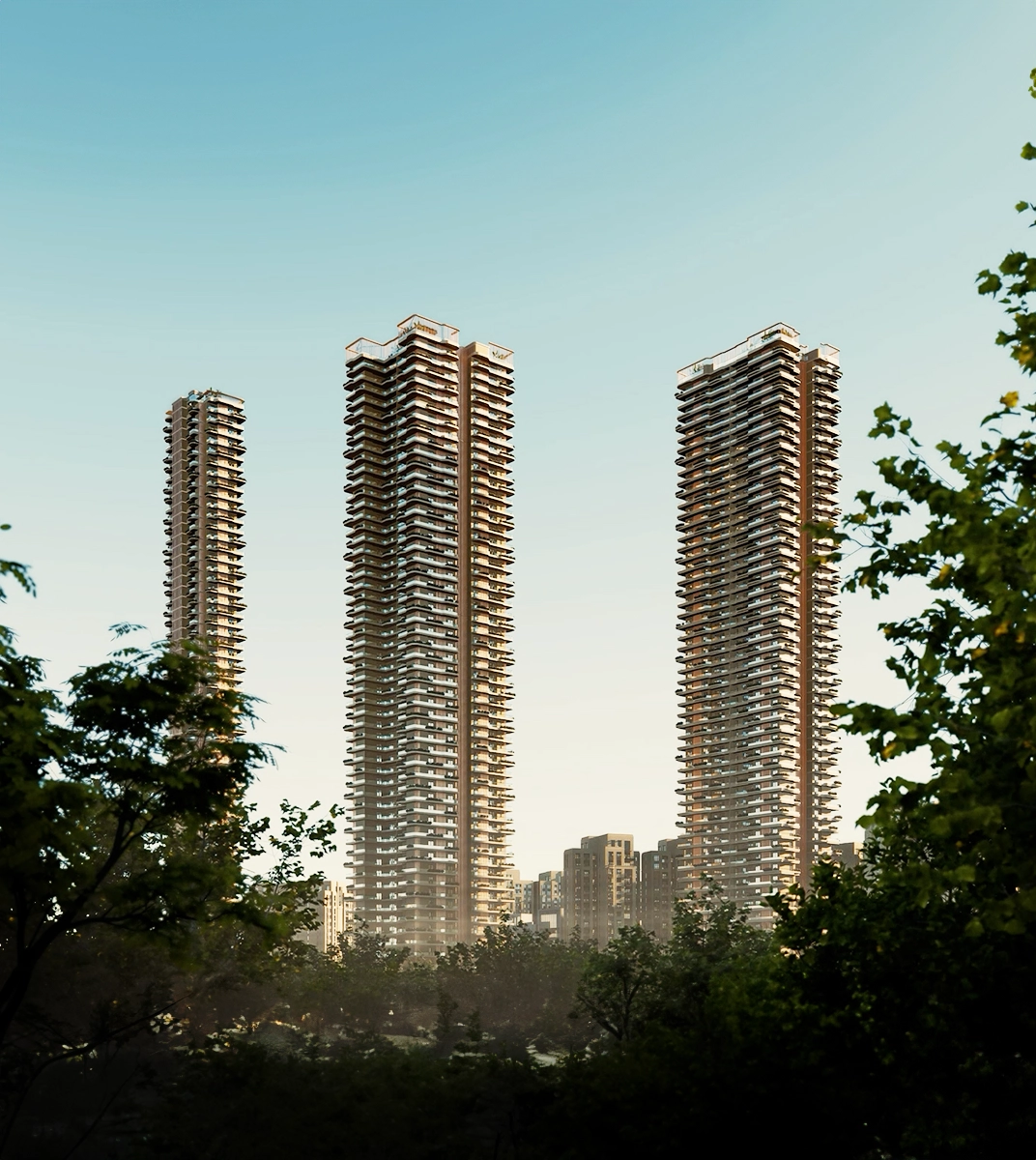
anantam85

Anantam 85

Ultra-luxury residences on Dwarka Expressway offering expansive green spaces and world-class amenities.

View Project

nandaka84

Nandaka 84

Modern residential community in New Gurugram designed for connectivity, comfort, and lifestyle.

View Project
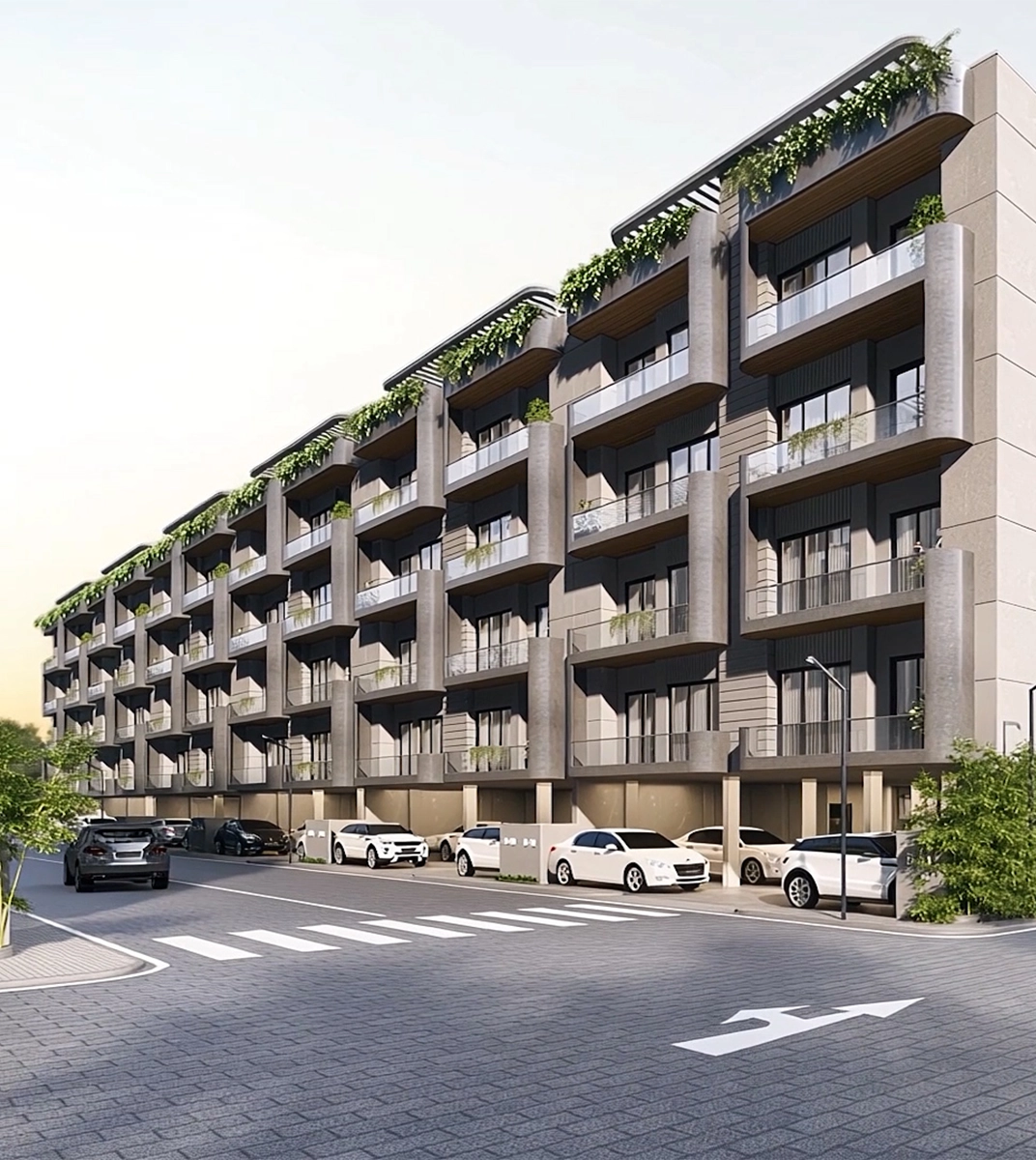
kashi-residences

Ganga Kashi Residences

Premium residential development offering peaceful living with contemporary amenities.

View Project

ganga-valley

Ganga Valley 78

Integrated township living with lush green spaces and a complete lifestyle ecosystem.

View Project

FAQs Golf Course Extension Road

It can be attractive for long-term investment, but investors should evaluate individual projects, developer credibility, pricing, RERA status, rental demand and resale potential before making a decision.

The major advantages include connectivity to Golf Course Road, Sohna Road, SPR and NH-48, premium residential developments, established social infrastructure and access to employment and lifestyle hubs.

Neither is universally better. Golf Course Road offers a more established premium ecosystem, while Golf Course Extension Road provides newer residential development and strong connectivity toward the southern Gurugram growth corridor. The right choice depends on budget, lifestyle requirements and investment horizon.

The corridor offers a mix of luxury apartments, premium high-rise residences, low-rise floors, gated communities and other premium residential formats. Pricing varies considerably by project and location.


No Content

Enquire Now

Recent Posts

Smart Home Loan EMI Calculator
28 September 2026|17 Minutes Read

Smart Home Loan EMI Calculator

Buying a home is a major financial decision, and understanding your potential loan repayment is an important part of planning your purchase. A Home Loan EMI Calculator helps you estimate your monthly Equated Monthly Instalment (EMI) based on the loan amount, interest rate, and repayment tenure. Home Loan EMI Calculator Calculate your complete monthly EMI and year-wise repayment schedule. Loan Amount (₹) ₹1 Lakh ₹10 Crore Interest Rate (% p.a.) 1% 30% Loan Tenure (Years) 1 Year 40 Years Monthly EMI ₹0 Loan Amount ₹0 Total Interest ₹0 Total Payment ₹0 Total EMIs 0 Complete EMI Payment Breakdown MoM – Monthly Schedule YoY – Yearly Summary View Year: Download Monthly CSV Month EMI Principal Interest Total Paid Outstanding Balance Download Yearly CSV Year No. of EMIs Total EMI Paid Principal Paid Interest Paid Closing Balance Note: The calculator uses the standard reducing-balance EMI formula. Actual loan repayment schedules may vary depending on the lender, interest-rate changes, processing fees, prepayments and other applicable charges. Use the calculator above to estimate your monthly EMI, total interest, total repayment amount, principal and interest components, and complete home loan amortization schedule. You can also view the month-wise and year-wise repayment breakdown to understand how your loan balance changes throughout the tenure. Whether you are planning to purchase a home, understanding current property rates in Gurgaon, or comparing different financing options, calculating your potential EMI can help you plan your property budget. What Is a Home Loan EMI Calculator? A Home Loan EMI Calculator is an online financial tool that calculates the estimated monthly instalment payable on a home loan. To calculate your EMI, you generally need three inputs: Loan Amount: The amount you plan to borrow. Interest Rate: The applicable annual interest rate on the loan. Loan Tenure: The period over which you plan to repay the loan. Once these details are entered, the calculator estimates your monthly EMI and can also show the total interest payable and total repayment amount. A detailed amortization schedule can provide additional information, including how much of each EMI goes towards principal and interest and how much loan balance remains after every payment. Example Suppose you are considering a home loan of ₹50 lakh at an annual interest rate of 8.5% for 20 years. The calculator can estimate the monthly EMI and provide a complete repayment schedule covering all 240 monthly instalments. You can then change the loan amount, interest rate, or tenure to compare different scenarios. The calculator provides an estimate based on the information entered. Actual EMI and repayment terms may vary depending on the lender, applicable interest rate, fees, loan structure, and other conditions. What Is Home Loan EMI? EMI stands for Equated Monthly Instalment. It is the amount a borrower generally pays every month towards repayment of a loan. A typical home loan EMI consists of two primary components: Principal Component The principal component is the portion of your EMI that reduces the outstanding amount borrowed from the lender. Interest Component The interest component represents the cost charged by the lender for providing the loan. Under a typical reducing-balance repayment structure, the interest is calculated on the outstanding principal. As the principal reduces, the interest component generally decreases. Consequently, the composition of the EMI changes over the repayment period. In the initial period, a relatively larger portion of the EMI may go towards interest. As the outstanding balance reduces, the principal component generally becomes a larger portion of subsequent EMIs. How Is Home Loan EMI Calculated? Home loan EMI is generally calculated using a standard reducing-balance formula: EMI = P × r × (1 + r)ⁿ ÷ [(1 + r)ⁿ − 1] Where: P = Principal loan amount r = Monthly interest rate n = Total number of monthly instalments Converting Annual Interest Rate into Monthly Interest Rate If the annual interest rate is 8.5%, the monthly rate used in the formula is: 8.5 ÷ 12 ÷ 100 = 0.007083 Similarly, if the loan tenure is 20 years: 20 × 12 = 240 months The calculator uses these values to calculate the estimated EMI. What Factors Affect Home Loan EMI? Three major factors influence your estimated home loan EMI: Loan Amount: A higher loan amount generally results in a higher EMI when the interest rate and tenure remain unchanged. Interest Rate: A higher interest rate generally increases both the EMI and total interest payable. Loan Tenure: A longer tenure generally reduces the monthly EMI but can increase the total interest paid over the life of the loan. Therefore, comparing different combinations of loan amount, interest rate, and tenure can help you understand the potential financial impact of a home loan. How Does Home Loan EMI Calculation Help in Planning a Home Purchase? Calculating your potential EMI before purchasing a property can help you understand the financial commitment associated with a home loan. 1. Estimate Your Monthly Repayment An EMI calculation gives you an estimate of the monthly amount you may need to pay towards the loan. This can help you assess whether a particular loan amount fits within your planned budget. 2. Compare Different Loan Amounts You can use the calculator to compare different borrowing scenarios. For example: ₹30 lakh loan ₹40 lakh loan ₹50 lakh loan ₹60 lakh loan ₹75 lakh loan ₹1 crore loan Changing the loan amount allows you to see how the estimated EMI changes. 3. Compare Loan Tenures You can also compare different repayment periods such as: 10 years 15 years 20 years 25 years 30 years A shorter tenure generally results in a higher monthly EMI but can reduce the total period over which interest is charged. A longer tenure can reduce the monthly payment but may result in greater total interest over the loan period. 4. Understand the Total Cost of Borrowing The EMI is only one part of the overall picture. The calculator also shows: Total principal Total interest Total payment This helps you understand the estimated cost of borrowing over the entire loan tenure. 5. Plan Your Property Budget Before finalising a property, you can estimate different loan scenarios and understand how the potential EMI fits into your broader financial planning. However, the EMI should not be considered the only affordability factor. Buyers should also consider down payment requirements, registration and transaction costs, maintenance, insurance, taxes and other financial commitments. 6. Track Loan Repayment A detailed amortization schedule shows how your loan balance changes after each EMI. This provides a clearer view of your repayment progress over time. What Are the Key Features and Benefits of Home Loans? Home loans allow eligible borrowers to finance the purchase or construction of residential property, subject to lender-specific eligibility criteria and terms. Common features of home loans may include: Long Repayment Tenures Home loans can have relatively long repayment periods, depending on the lender and borrower eligibility. A longer tenure can reduce the monthly EMI, although it may increase the total interest paid. Monthly EMI Repayment Most standard home loans are repaid through regular instalments over the agreed tenure. Different Interest Rate Structures Lenders may offer different interest-rate structures, including floating-rate or other applicable arrangements. The applicable rate and terms depend on the lender and loan product. Part-Prepayment Options Some home loan products may allow borrowers to make additional principal payments, subject to applicable terms and charges. Reducing the outstanding principal can affect the future interest calculation. Balance Transfer Options Eligible borrowers may be able to transfer an existing home loan to another lender under applicable conditions. Borrowers should compare the overall cost, interest rate, fees and other terms before considering a balance transfer. Structured Repayment Schedule A home loan repayment schedule allows borrowers to understand the distribution of principal and interest over the loan tenure. The exact features, charges, eligibility requirements and conditions vary by lender. How to Use a Home Loan EMI Calculator? Using a Home Loan EMI Calculator is simple. Step 1: Enter the Loan Amount Enter the amount you are planning to borrow. For example, you can enter: ₹50,00,000 for a ₹50 lakh home loan. Step 2: Enter the Interest Rate Enter the applicable annual interest rate. For example: 8.5% per annum Step 3: Enter the Loan Tenure Enter the expected repayment period. For example: 20 years Step 4: Check Your Estimated EMI The calculator will automatically calculate your estimated monthly EMI. Step 5: Review Total Interest and Total Payment The calculator also shows the estimated: Total interest Total payment Principal amount Number of EMIs Step 6: Review the Amortization Schedule You can then view the complete monthly and yearly repayment schedule. This allows you to see exactly how the EMI is divided between principal and interest and how the outstanding balance reduces over time. Step 7: Compare Different Scenarios Change the loan amount, interest rate, and tenure to compare different borrowing scenarios. This can help you understand how different loan structures affect your estimated repayment. Once you have estimated your potential EMI, you can use our Carpet Area Calculator to understand the usable area of a property and explore floor-space calculations. Final Thoughts about Home Loan EMI Calculator A Home Loan EMI Calculator can be a useful starting point for understanding the potential financial commitment associated with buying a home. Instead of looking only at the monthly EMI, consider the complete repayment picture, including: Loan amount Interest rate Loan tenure Total interest Total repayment Principal repayment Outstanding balance The complete monthly EMI amortization schedule and year-wise repayment summary can provide additional insight into how your loan may be repaid over time. Before taking a home loan, compare applicable loan terms and consider your overall financial situation. The actual EMI and repayment schedule may vary depending on the lender's interest rate, fees, loan terms, rate changes and other applicable conditions. Use the calculator above to explore different home loan scenarios and understand how changing the loan amount, interest rate or tenure can affect your estimated repayment. If you are exploring premium residential projects in Gurgaon, you can also explore luxury apartments in Gurgaon and compare available homes based on location, configuration, size and overall property requirements. Explore Nandaka 84, Anantam 85, Ganga Valley and Kashi Residences to learn more about Ganga Realty's residential developments in New Gurgaon. Anantam 85 Ultra-luxury residences on Dwarka Expressway offering expansive green spaces and world-class amenities. Nandaka 84 Modern residential community in New Gurgaon designed for connectivity, comfort, and lifestyle. Ganga Kashi Residences Premium residential development offering peaceful living with contemporary amenities. Ganga Valley 78 Integrated township living with lush green spaces and a complete lifestyle ecosystem. FAQs About Home Loan EMI Calculator

Read More
East Facing House Vastu Plans for a Peaceful Life
17 September 2026|15 Minutes Read

East Facing House Vastu Plans for a Peaceful Life

📌 Quick Answer An east facing house is one of the most sought-after orientations in Vastu Shastra, associated with the rising sun, positive energy, and new beginnings. With the main entrance correctly placed, the kitchen in the southeast, and the master bedroom in the southwest, an east-facing home is believed to support health, prosperity, and mental peace. Introduction Stand at your main door, face outward as if stepping out, and check which direction you're looking. If it's east, you live in an east-facing house — and according to Vastu Shastra, you've inherited one of the most favourable orientations in Indian real estate. East-facing homes are consistently in demand across Delhi NCR, Gurgaon, Mumbai, and Bengaluru. The reason isn't just tradition — it's also practical. The east is the direction of the rising sun, and Vastu Shastra has associated it with health, clarity, and new beginnings for centuries. But an east-facing plot alone doesn't guarantee good Vastu. The placement of the main door, kitchen, bedrooms, and pooja room within that east-facing structure matters just as much as the orientation itself. This guide walks through the complete east facing house Vastu plan — from the basics to a room-by-room layout you can actually use. For broader guidance beyond orientation, see our Vastu tips for new homes — this guide focuses specifically on east-facing layouts. What Is an East Facing House? An east-facing house is one where the main entrance door faces east — not the road, not the largest window, and not the direction the plot itself runs. To confirm your home's facing: Stand inside your house at the main door, facing outward as though about to step out. Use a compass (or a phone compass app) rather than judging by the sun, since east and north are only 90 degrees apart and easy to misjudge. Confirm you're reading the main entrance, not a side door or balcony. Is an East Facing House Good According to Vastu? Yes — Vastu Shastra regards the east as one of the most auspicious directions for a home, second only to the northeast in overall favourability. Here's the reasoning Vastu Shastra gives: The east is ruled by Lord Indra, associated with authority, power, and good fortune. The rising sun in the east symbolises the removal of darkness and negativity, and is linked to health, vitality, and clarity of thought. An open, well-lit east side — both on the plot and inside the home — allows morning sunlight and positive energy to enter freely. The northeast corner (where north meets east) is the most sacred zone in the home, ideal for a pooja room or meditation space. Looking beyond east-facing properties specifically? Read our companion guide, How to Choose the Best Facing House as per Vastu, for a comparison across all major directions, or see our North Facing House Vastu guide if you're weighing both options. Common Myths About East-Facing Houses East-facing houses are often considered desirable in India, particularly because Vastu Shastra traditionally gives importance to the east direction. However, several popular beliefs about east-facing homes are oversimplified or misunderstood. The direction of the main entrance is only one factor; the actual layout, ventilation, natural light, room placement, site conditions and personal preferences also matter. MythReality"Every east-facing house is automatically lucky"The direction is favourable, but room placement, entrance position, and construction details still determine whether a home is truly Vastu-compliant."East-facing homes get too much heat"East-facing homes receive morning sun, which is gentle and warming — not the harsh afternoon sun that west-facing homes contend with."Only priests or spiritual families should choose east-facing homes"East-facing houses suit salaried professionals, business owners, and families alike — the Indra association relates to authority and success broadly."The whole east side of the plot must be left empty"What matters is that the east side stays lighter and more open than the south and west — a boundary wall or low landscaping is fine."An east-facing kitchen is ideal since it faces the sun"The kitchen should still be positioned in the southeast per Vastu, regardless of the house's overall facing."East facing is only about the entrance"Entrance direction sets the foundation, but room-wise placement — bedroom, kitchen, pooja room — is equally important for a Vastu-compliant home. An east-facing house can offer advantages such as the potential for pleasant morning light, but "east-facing" does not automatically mean perfect, nor does another orientation automatically mean unsuitable. The quality of a home ultimately depends on its design, planning, construction, surroundings and how well it meets the homeowner's requirements. Benefits of an East-Facing House East-facing houses are popular among many Indian homebuyers because the east direction receives the morning sun. Beyond traditional Vastu preferences, an east-facing home can also offer practical benefits when it is well planned and designed. 1. Health and Vitality Morning sunlight is rich in vitamin D and considered energising rather than harsh. Vastu practitioners associate consistent morning light with better sleep cycles, improved mood, and overall wellbeing for residents. 2. Positive Energy and New Beginnings The rising sun in the east is a universal symbol of fresh starts. Vastu Shastra holds that this energy, entering the home through a well-placed east entrance, supports clarity, motivation, and forward momentum for the household. 3. Career and Authority The east's association with Lord Indra — the king of the gods — is linked to leadership, authority, and professional recognition. Many buyers evaluating east-facing homes cite career growth as a key consideration. 4. Comfortable Natural Light Unlike west-facing homes, which absorb intense afternoon heat, east-facing homes receive their strongest light in the morning, when temperatures are cooler — a practical advantage in Gurgaon's hot summers. 5. Strong Resale and Rental Demand North and east-facing homes are consistently preferred by Vastu-conscious buyers in the NCR market. This demand asymmetry — Vastu-focused buyers will only shortlist certain facings, while others are indifferent — tends to support long-term resale value. East Facing House Vastu Tips — Room by Room For homeowners who follow Vastu Shastra, an east-facing house is often considered a favourable orientation because the east is associated traditionally with the rising sun. However, Vastu guidelines can vary across traditions and practitioners, so they are best treated as traditional planning preferences rather than scientifically established rules. Here is a practical room-by-room guide: Main Entrance The main entrance is the single most important Vastu element in an east-facing home. As with any direction, the east wall is conceptually divided into eight to nine energy zones (Pada), and not every position is equally favourable. Practical guidance for the entrance: The most auspicious entrance positions fall in the northern half of the east wall, closer to the northeast corner. Avoid placing the entrance in the extreme south of the east wall, closer to the southeast corner. Keep the entrance well-lit, clean, and free of clutter or shoes. A wooden main door, opening inward, is preferred over metal. Auspicious symbols (Om, Swastika) at the threshold are considered beneficial. Living Room Place the living room in the north, east, or northeast zone — this positions your primary social space directly in the home's energy-receiving area. Keep heavier furniture along the south and west walls. Leave the northeast corner of the living room open and uncluttered. Light, warm colours — white, cream, light yellow — work well with an east-facing home's natural light. Master Bedroom The master bedroom belongs in the southwest, regardless of the home's overall facing — this holds true for east-facing homes as it does for any other orientation. Sleep with your head pointing south or east. Avoid placing the master bedroom in the northeast, which is considered too energetically active for restful sleep. Guest bedrooms and children's rooms work well in the northwest. Kitchen The southeast corner — governed by Agni, the fire element — is the ideal kitchen location in an east-facing home. The cook should face east while cooking, meaning the stove should be positioned on the east wall of the kitchen. Never place the kitchen in the northeast — this is considered a serious Vastu defect in any home. Keep the stove (fire) and sink (water) on separate walls. Pooja Room The northeast corner is the most sacred zone in any home, and it's naturally energised in an east-facing house. Idols should face west (so the worshipper faces east) — a particularly strong alignment in an east-facing home. Avoid placing the pooja room under a staircase or adjacent to a bathroom. Keep the space bright, ventilated, and minimal. Bathroom and Toilet Bathrooms should be positioned in the northwest or west. Never place a toilet in the northeast — this remains one of the most significant Vastu defects regardless of house facing. Common bathrooms work well in the northwest zone. Staircase The staircase is best placed in the south, southwest, or west, rising from north to south or east to west. Avoid the northeast and the centre of the home (Brahmasthan) for staircase placement. The space beneath the stairs is suited to storage, not a kitchen, bedroom, or pooja room. Study or Home Office The east or northeast is well-suited to a study or home office in an east-facing house — the room's placement mirrors the home's overall orientation. Face east or north while working or studying for best results. Ensure the desk has natural light from an east-facing window. Balcony and Open Spaces Balconies, gardens, and open spaces belong on the east or north side. Keep the east side of the plot lighter and lower than the south and west. Avoid tall trees or heavy structures on the east side that could block morning sunlight. East Facing House Vastu Plan — Example Layouts Plot dimensions vary, but the underlying Vastu logic — heavier zones in the south/west, open zones in the north/east — stays consistent. Here's how it typically translates across common Indian plot sizes: Plot SizeApprox. AreaLayout Approach30x40 ft~1,200 sq. ft.The most common east-facing layout for a 2 BHK or compact 3 BHK. Entrance in the north half of the east wall; kitchen southeast; master bedroom southwest; pooja room northeast.30x60 ft~1,800 sq. ft.The extra depth allows a front garden on the east side, a larger living room in the north, and additional storage in the southwest.40x60 ft~2,400 sq. ft.Suited to a duplex layout — ground floor for living, kitchen, and a guest bedroom; first floor for the master bedroom (southwest) and children's rooms (northwest). As with any Vastu plan, the exact layout should be adapted to your specific plot, local building regulations, and structural requirements — treat this as a starting framework rather than a fixed blueprint. Before finalising a plot size, check your property's exact usable space with our carpet area calculator — it's a useful companion when mapping any of the layouts above onto a real plot." East Facing House Vastu — Dos and Don'ts ElementDoDon'tVastu ImpactMain EntrancePlace it in the northern half of the east wall.Avoid the extreme southeast corner.Affects the flow of positive energy and opportunity into the home.East Side of PlotKeep it open, light, and clutter-free.Avoid heavy structures or tall trees blocking morning sun.Preserves the energising quality of morning sunlight.Master BedroomPlace it in the southwest.Avoid the northeast.Southwest supports stability and restful sleep.KitchenPosition it in the southeast, cook facing east.Avoid the northeast.Keeps the fire element in its correct zone.Pooja RoomPlace it in the northeast, idols facing west.Avoid under staircases or next to bathrooms.The northeast is the most sacred zone in the home.StaircaseBuild in the south, southwest, or west.Avoid the northeast and the home's centre.Prevents obstruction of the home's core energy zone.Living RoomKeep it in the north or northeast.Avoid clutter and dark interiors.Encourages positivity and natural light. Common Vastu Mistakes in East-Facing Houses An east-facing house is often preferred by homebuyers who follow Vastu Shastra. However, simply choosing an east-facing property does not automatically mean the entire home follows Vastu principles. The entrance, room placement, proportions, openings and overall layout are also considered important in traditional Vastu planning. Here are some commonly discussed Vastu mistakes in east-facing houses: Entrance Too Close to the Southeast: Placing the main door too far south along the east wall shifts it away from the auspicious zone and closer to the fire-associated southeast — a common and avoidable error. Kitchen in the Northeast: As with any home, placing the kitchen in the northeast is one of the most frequent and serious Vastu mistakes — it introduces the fire element into the home's most sacred zone. Blocked East Side: Tall boundary walls, dense trees, or permanently parked vehicles on the east side block the very morning sunlight that makes east-facing homes desirable in the first place. Master Bedroom in the Northeast:Regardless of the home's facing, placing the master bedroom in the northeast is considered too energetically active for good sleep — the southwest remains the correct position. Cluttered Entrance: Even a well-positioned east-facing entrance loses much of its benefit if it's cluttered with shoes, dustbins, or dim lighting. East Facing House Vastu Remedies If structural changes aren't possible, Vastu offers practical fixes for existing issues: IssueRemedyEntrance in the Southeast ZonePlace a Vastu pyramid or Swastika symbol above the door; keep the area well-lit and welcoming.Kitchen in the NortheastUse a copper plate or Vastu pyramid beneath the stove; repaint the kitchen in warm, earthy tones.Master Bedroom in the NortheastUse grounding colours such as deep blue or teal; sleep with your head facing south.Blocked East SideKeep the area as clutter-free as possible; add lighting or a small water feature to restore energy flow.Toilet in the NortheastKeep it clean and dry, door closed, with a bowl of sea salt replaced weekly. Why Homebuyers Prefer East-Facing Properties For homeowners who follow Vastu Shastra, certain remedies are traditionally suggested when an east-facing house is believed to have a layout-related Vastu concern. These remedies are generally intended to improve the perceived balance of spaces without requiring major structural changes. It is useful to distinguish traditional Vastu practices from scientifically established effects: there is no scientific evidence that Vastu remedies directly cause changes in health, wealth or fortune. They can instead be viewed as cultural or personal practices. The demand for east-facing homes isn't purely traditional — it has measurable, practical drivers: Market demand: In cities like Gurgaon, Noida, and Mumbai, east and north-facing flats consistently draw higher enquiries, particularly among Vastu-conscious buyers who actively filter listings by facing. Practical comfort: Morning sunlight keeps interiors naturally lit through the day without the intense afternoon heat that west-facing homes absorb — a meaningful advantage during Gurgaon's summer months. Resale strength: Vastu-compliant orientations tend to hold their resale appeal better, since Vastu-focused buyers will only shortlist certain facings while others remain indifferent. Orientation is one of several key decisions when buying a home that homebuyers in Gurgaon weigh alongside location, budget, and builder reputation." As a leading real estate developer in Gurgaon, Ganga Realty factors these orientation preferences into its residential planning across its portfolio. Buyers exploring options in New Gurgaon can consider Nandaka in Sector 84, a modern residential community designed for connectivity and lifestyle; Anantam 85, an ultra-luxury high-rise development on Dwarka Expressway; Ganga Valley in Sector 78, an integrated township with extensive green spaces; and Ganga Kashi Residences in Sector 89, offering premium residences in a peaceful setting. Conclusion An east-facing house brings together tradition and practicality in a way few other orientations do — the symbolism of the rising sun, paired with genuinely comfortable morning light and strong resale demand. But orientation is only the starting point. The placement of the entrance within the east wall, the kitchen in the southeast, the master bedroom in the southwest, and a clutter-free approach to the home's most important zones all determine whether an east-facing house truly delivers a peaceful, prosperous living environment. As a leading real estate developer in Gurgaon, Ganga Realty designs its residential communities with these considerations in mind — so homebuyers don't have to choose between modern luxury and Vastu-aligned living. Looking for a Vastu-compliant home in Gurugram? Explore Ganga Realty's premium residential projects to find a home that balances comfort, positive energy, and long-term value. Anantam 85 Ultra-luxury residences on Dwarka Expressway offering expansive green spaces and world-class amenities. Nandaka 84 Modern residential community in New Gurgaon designed for connectivity, comfort, and lifestyle. Ganga Kashi Residences Premium residential development offering peaceful living with contemporary amenities. Ganga Valley 78 Integrated township living with lush green spaces and a complete lifestyle ecosystem.

Read More

Luxury Living In Gurugram

Discover thoughtfully designed residences that blend modern architecture,
premium amenities, and sustainable living in the heart of the city.

--> -->