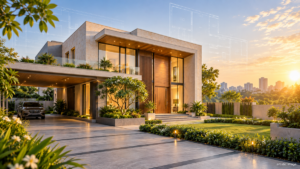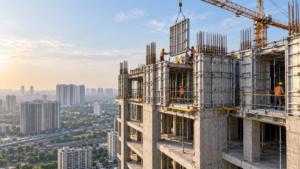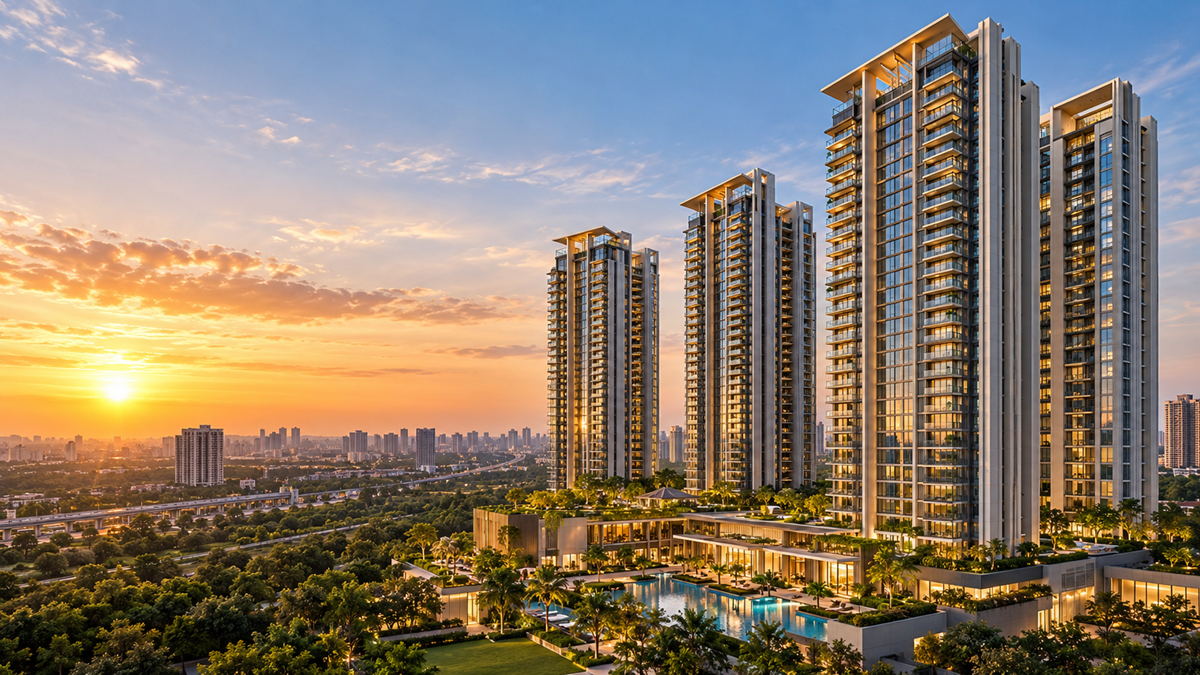
A 30 – 40-storey building typically has an average height ranging from 120 to 170 meters (about 390 to 560 feet), depending on its structural design, floor-to-ceiling clearance, and whether it is used for residential, commercial, or mixed-use purposes
Table of Contents
High-rise living has changed the way people experience residential spaces in Gurgaon. With expansive city views, thoughtfully planned layouts and access to shared amenities, residential towers offer a different approach to modern urban living. But when you are considering a home on the 25th, 30th or 40th floor, there is more to evaluate than the view from your balcony.
The quality of a high-rise residence depends on several factors that may not be immediately visible during a site visit. Building approvals, structural planning, fire safety provisions, lift systems, water management and long-term maintenance all influence how comfortably a building functions over time.
Before buying a flat in a high-rise tower, it is important to look beyond the apartment itself and evaluate the quality of the overall living experience. Explore Ganga Realty’s luxury residential projects in Gurgaon to discover residences designed around thoughtful architecture, lifestyle amenities, comfort, and long-term liveability.
For homebuyers, understanding these aspects before making a purchase can help avoid unpleasant surprises later. It also makes it easier to compare properties on the basis of their planning, infrastructure and long-term suitability rather than amenities and pricing alone.
Checklist Before Buying a Flat in a 30- or 40-Storey Tower?
At Ganga Realty, we believe an informed homebuying decision begins with asking the right questions. Here is a practical guide to the factors worth evaluating before purchasing a flat in a 30- or 40-storey residential tower.
1. Check the Project’s Approvals and Building Plans
Before evaluating the apartment’s interiors or amenities, understand the approvals behind the development.
A residential tower must be planned and constructed in accordance with the applicable building regulations and sanctioned plans. These documents establish important details about the approved development, including the building configuration and permitted construction.

Before booking an apartment, ask to review the relevant project documents and verify the information independently. For projects that require registration under the Real Estate (Regulation and Development) Act, check the registration details and declared project timelines through the relevant authority.
In Gurgaon, buyers can consult the Haryana Real Estate Regulatory Authority for applicable project registration information.
For a ready-to-move apartment, check the applicable Occupancy Certificate or other relevant completion and occupation approvals. Confirm that the documents cover the particular tower and phase you intend to purchase.
For an under-construction property, review the sanctioned plans, applicable approvals, construction status and possession commitments. If any changes have been made to the original plans, ask whether the required approvals have been obtained.
Before making a purchase, understand the relevant documentation and real estate laws and regulations every property buyer should know.
What to check: Project registration, sanctioned building plans, applicable approvals, approved floor count and possession-related documentation.
2. Understand the Building’s Fire Safety Arrangements
Fire safety deserves particular attention in a high-rise building. Residents on higher floors depend on properly planned emergency systems, clear evacuation routes and well-maintained safety equipment.
Ask the developer about the building’s fire safety design and the approvals applicable to the project. Depending on the approved design and regulatory requirements, these provisions may include fire detection and alarm systems, sprinklers, firefighting equipment, protected staircases, emergency lighting and designated fire-service access.
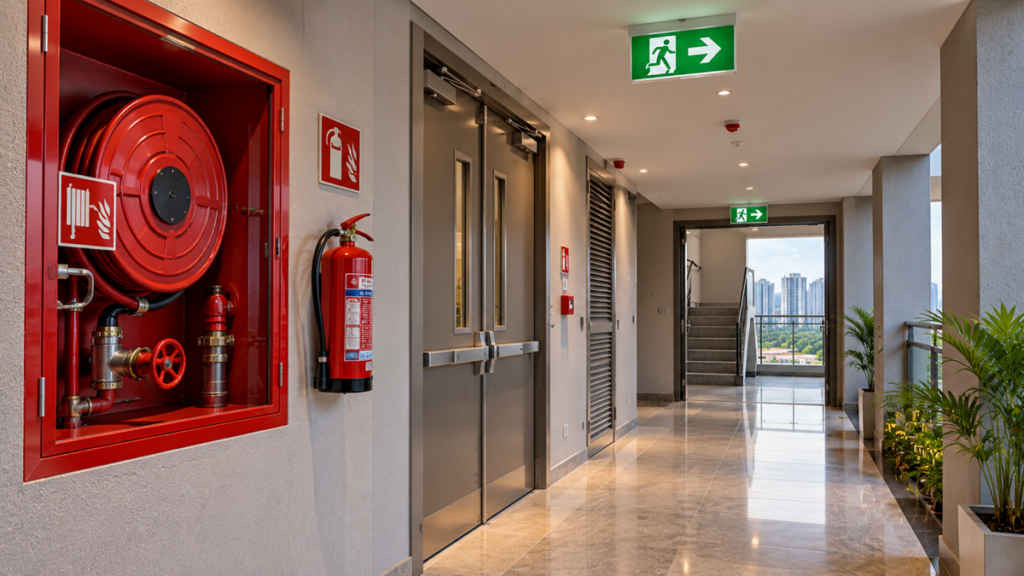
During a site visit, pay attention to the accessibility of staircases, emergency signage and the condition of common areas. In an occupied building, ask how frequently fire safety equipment is inspected and how residents are informed about emergency procedures.
It is equally important to understand the evacuation arrangements. Passenger lifts should not be assumed to be available during a fire; residents should follow the building’s emergency instructions and directions from trained personnel.
For an under-construction tower, ask how the applicable fire safety provisions will be installed, tested and commissioned before occupation.
What to check: Applicable fire approvals, emergency exits, fire detection systems, firefighting provisions, maintenance arrangements and resident emergency procedures.
3. Evaluate the Lift System and Vertical Mobility
In a 30- or 40-storey tower, lifts are an essential part of everyday life. From commuting to work to receiving deliveries, residents depend on them throughout the day.
The number of lifts alone does not determine whether the arrangement is adequate. Capacity, speed, floor zoning, traffic demand and maintenance planning all influence the experience.
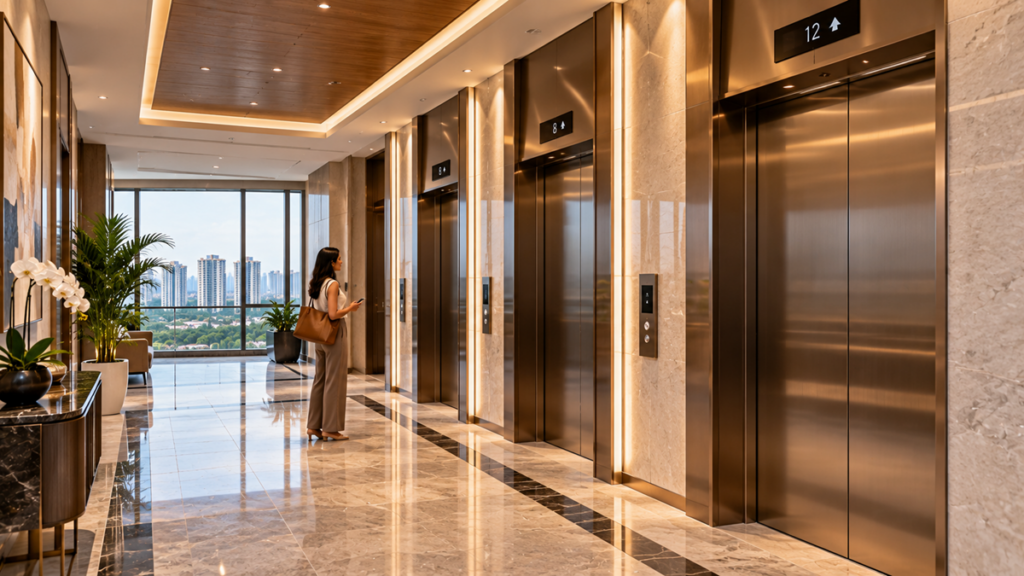
Ask how many lifts serve the tower and whether different lifts are allocated to residents, service personnel or other functions. Understand which floors each lift serves and what arrangements are available when a lift is undergoing maintenance.
For an occupied building, observe lift waiting times during peak hours if possible. For an under-construction project, request information about the proposed lift configuration and service arrangements.
Also ask about emergency communication inside lifts, backup power provisions and the process for responding to a breakdown.
A well-planned lift system should be assessed as part of the building’s overall design rather than as a standalone amenity.
What to check: Lift capacity, number of lifts, floor coverage, maintenance contracts, backup arrangements and emergency communication.
4. Ask How Water Supply Is Managed on Higher Floors
Reliable water supply is one of the most important aspects of residential comfort, particularly in a tall building where water must be distributed across multiple floors.
Depending on the building’s design, water distribution may involve storage tanks, pumps and pressure-management systems. The arrangement should be suitable for the tower’s configuration and designed in accordance with the applicable requirements.
Before purchasing, ask about the source of water, storage capacity, distribution system and arrangements for managing supply interruptions. It is also useful to understand how water quality is monitored and how pumps and other equipment are maintained.
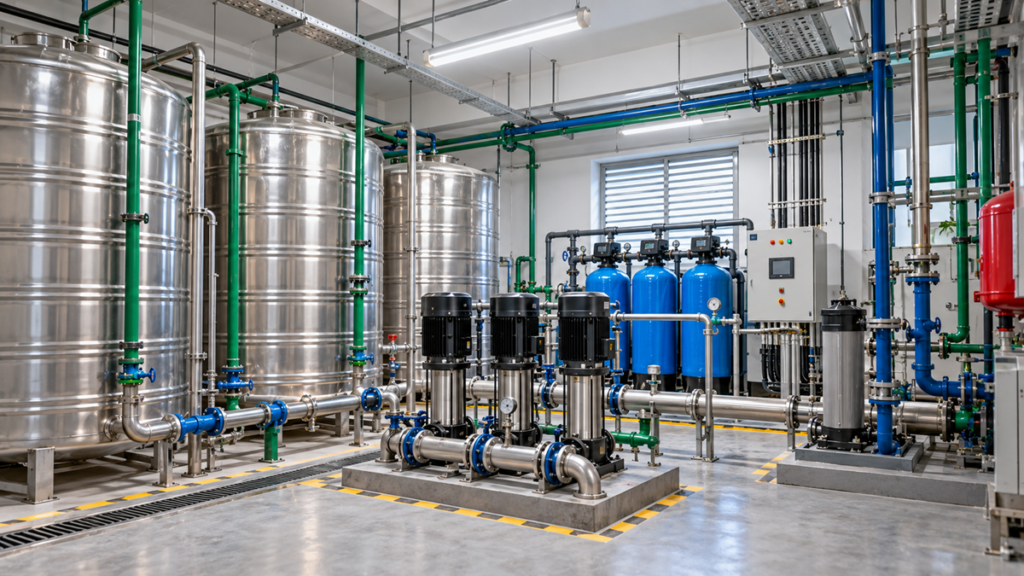
If the apartment is ready for occupation, test the taps and showers during your visit. Where possible, check the water supply at different times of day and ask existing residents about any recurring issues.
For an under-construction apartment, discuss the proposed water management arrangements with the developer’s technical team.
The same attention should be given to drainage, sewage systems and plumbing access. These services may receive less attention during a sales visit, but they have a direct bearing on everyday living.
What to check: Water source, storage and distribution, pressure management, water quality, drainage and maintenance arrangements.
5. Look Into Structural Design and Construction Quality
A tower’s external appearance does not reveal everything about its structural quality. Buyers should understand how the building’s design, construction and quality-control processes are documented and monitored.
Ask about the applicable structural design standards and the approvals supporting the building’s construction. Where appropriate, request relevant technical documentation or seek an independent assessment from a qualified structural engineer.
For a completed apartment, inspect the visible condition of the walls, ceilings, balconies, windows and other accessible areas. Look for signs of persistent dampness, water seepage, poor sealing or unusual cracking.
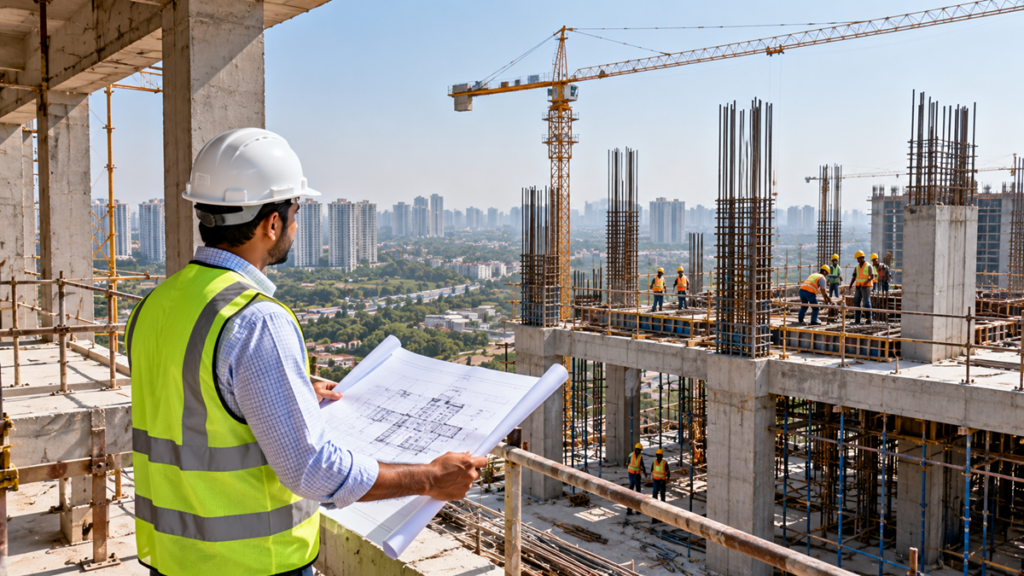
Not every crack indicates a structural problem, and a visual inspection cannot establish whether a building is structurally safe. If you notice a concerning defect, ask for a technical explanation and obtain professional advice where necessary.
For an under-construction property, ask how quality is monitored during construction and how defects are identified and addressed before handover.
Buyers should also be careful about relying on broad claims such as earthquake-resistant construction without understanding the applicable design provisions and supporting documentation.
What to check: Structural documentation, relevant approvals, construction quality controls, visible defects and independent technical assessments where needed.
6. Consider Floor Selection, Natural Light and Ventilation
A higher floor may offer wider views and greater separation from street-level activity, but the best floor depends on the apartment’s orientation, surrounding buildings and the buyer’s preferences.
Natural light, ventilation, privacy and noise levels can vary significantly between apartments in the same tower. Even two homes on the same floor may have different living experiences because of their orientation and position within the building.
If possible, visit the apartment at different times of day. Observe how sunlight enters the rooms, whether neighbouring buildings obstruct the view and whether external noise affects the interiors.

Pay attention to window quality, balcony usability, privacy from nearby towers and the comfort of the rooms during warmer parts of the day.
For under-construction apartments, inspect a completed unit with a comparable layout and orientation if one is available. Also consider how future development on nearby plots could affect views, sunlight and privacy.
The aim is to choose a home that works for your daily routine, not simply one with the highest floor number.
What to check: Orientation, daylight, ventilation, noise, privacy, window quality and the usability of balconies.
7. Understand Maintenance Charges and Long-Term Costs
The cost of owning a high-rise apartment extends beyond the purchase price. Lifts, common-area lighting, security, landscaping, water systems and other shared facilities require regular maintenance.
Before booking, request a written estimate of maintenance charges and understand how they are calculated. Ask what the charges include and whether services such as power backup, clubhouse access, parking or water consumption are billed separately.
For an occupied building, review the current maintenance arrangements and, where available, information about the maintenance budget and planned repairs.

For an under-construction property, understand the proposed maintenance structure, applicable deposits and the arrangements for managing common areas after handover.
It is also worth asking how recurring charges may change over time and how major repairs are funded. A building’s long-term upkeep depends on realistic budgeting and timely maintenance, not just the quality of its initial construction.
What to check: Maintenance rates, included services, additional charges, reserve contributions where applicable and responsibility for future repairs.
8. Examine Parking, Access and Common Areas
The daily experience of living in a residential tower begins well before you reach your apartment door.
Check how residents enter the property, how visitor access is managed and whether the parking arrangements are convenient. Ask for clarity on the parking space allocated to your apartment and ensure that the arrangement is properly documented.
If possible, walk from the parking area to the lift lobby. Look at the lighting, signage, cleanliness and accessibility of the route.
For families with older members or people with mobility needs, check whether common areas provide practical, accessible routes and whether lift access is convenient.
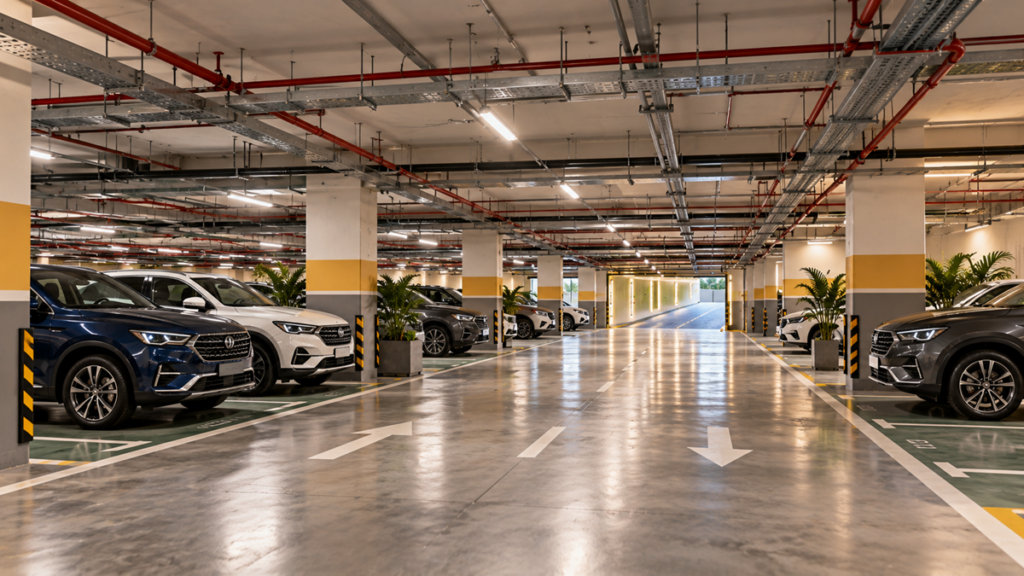
Also assess the shared facilities you expect to use regularly. A clubhouse, fitness centre or landscaped area may look attractive during a sales visit, but it is important to understand its availability, operating arrangements and any associated charges.
Common areas are part of the residential experience. Their design and upkeep deserve the same attention as the apartment itself.
What to check: Parking documentation, entry and exit arrangements, visitor management, accessibility, common-area maintenance and amenity operating terms.
9. Review Power Backup and Essential Building Services
A high-rise building depends on several interconnected systems to function smoothly. Electricity supports apartment appliances, while common services may include lifts, water pumps, security systems and emergency equipment.
Ask which services are covered by backup power and what limitations apply. A promise of power backup does not necessarily mean that every appliance inside your apartment will operate during an outage.
Understand the arrangements for maintaining backup equipment and managing prolonged interruptions. You should also know whom to contact if essential services fail.
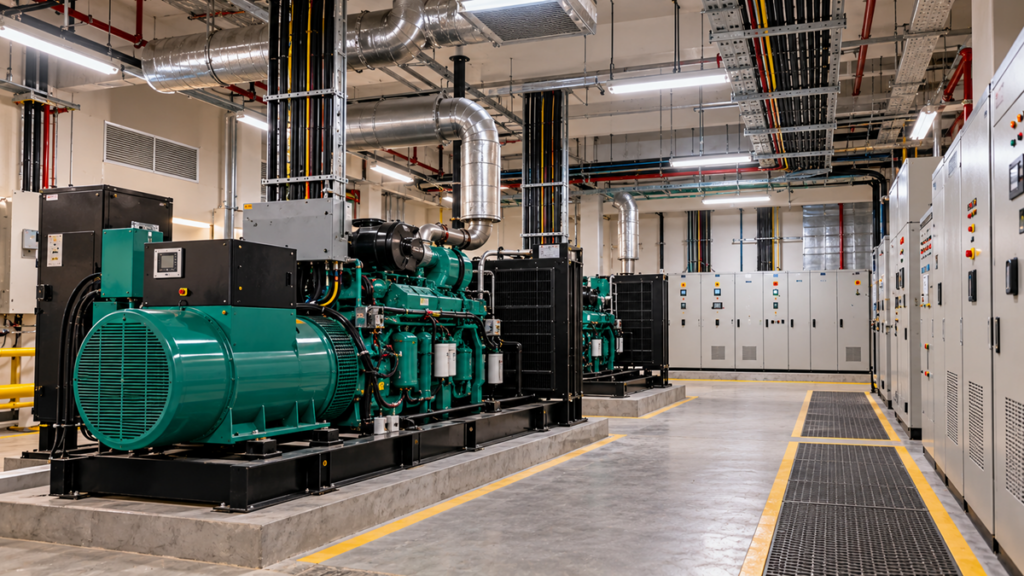
For a completed property, ask residents about the frequency of service disruptions and how quickly the management team responds. For an under-construction tower, request details of the proposed backup arrangements and the systems they are intended to support.
Good building management involves more than installing equipment. Regular servicing, clear responsibilities and timely communication are important to keeping essential services operational.
What to check: Backup power coverage, equipment maintenance, essential service continuity and complaint-resolution procedures.
10. Read the Agreement and Verify the Apartment Area
Before signing the agreement for sale, review the apartment details and the financial terms carefully.
Confirm the apartment number, floor, configuration, carpet area, total consideration, payment schedule and possession terms. Understand what is included in the quoted price and which charges are payable separately.
Carpet area is an important measure under India’s real estate regulatory framework. Do not compare apartments solely on their advertised super built-up area or price per square foot without understanding the measurement being used.
To understand the broader market context, explore the latest property rates and real estate trends in Gurgaon.

For an under-construction property, pay particular attention to possession commitments, provisions governing changes to the apartment or plans, and the applicable terms for delays or cancellation.
For a resale apartment, verify ownership records, outstanding dues and the documents required to complete the transfer.
Consider seeking independent legal advice before committing to a significant purchase. A property lawyer can review the agreement, identify unclear clauses and advise on the documentation relevant to your transaction.
Before signing the agreement, learn how to understand carpet area before buying an apartment and compare the usable space offered by different properties.
What to check: Carpet area, agreement terms, total cost, possession timeline, payment obligations and applicable ownership documents.
11. Assess the Neighbourhood and Everyday Connectivity
A well-designed apartment is only one part of a comfortable home. The surrounding neighbourhood influences how easily you can commute, access essential services and manage everyday responsibilities.
If you are considering a property in Gurgaon, check the actual travel time to your workplace and frequently visited destinations. Look at access to schools, hospitals, public transport, grocery stores and other services that matter to your household.
Visit the location during peak traffic hours if possible. Check the approach roads, street lighting, traffic movement and the availability of essential services nearby.
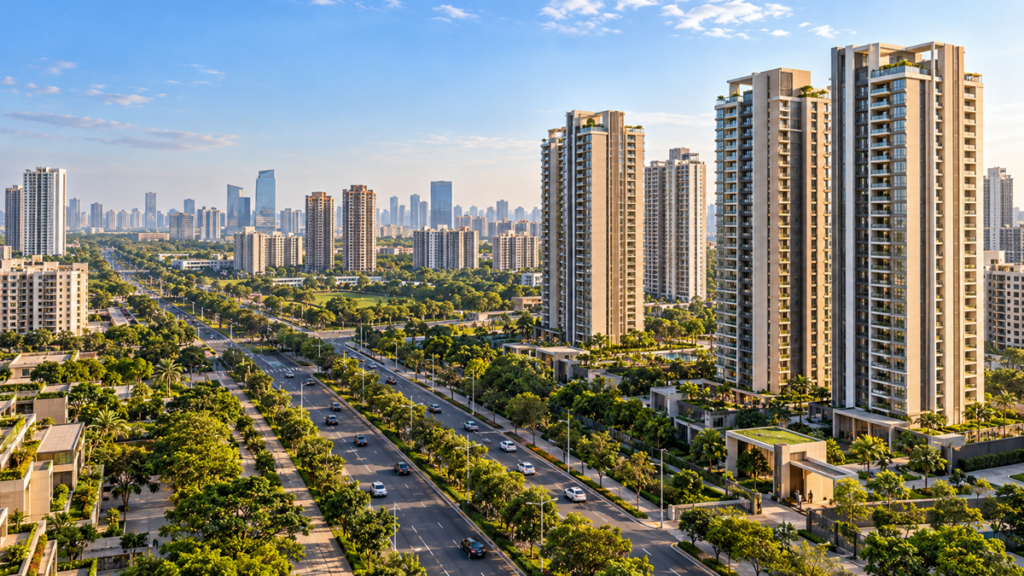
If infrastructure projects are part of your investment decision, verify their current status through reliable sources. Distinguish between completed infrastructure, approved projects under construction and proposals that may change over time.
A location should suit your present requirements while remaining practical for the period you expect to own the property.
If you are evaluating New Gurgaon, read our guide to Sector 84 vs Sector 85 in Gurgaon
What to check: Commute times, approach roads, public transport, healthcare, schools, essential services and the verified status of nearby infrastructure projects.
12. Speak to Existing Residents Before Making a Decision
For an occupied building, existing residents can provide useful insight into the practical aspects of daily living.
Ask about lift waiting times, water supply, maintenance response, common-area cleanliness and the frequency of service interruptions. You may also learn about issues such as seepage, parking congestion or noise that are difficult to identify during a short visit.

Try to speak with more than one resident so that you can distinguish recurring concerns from isolated experiences.
If the tower you are considering is still under construction, you may be able to speak with residents of other completed projects by the same developer. Their experiences can help you identify questions to ask, although the performance of one project should not be assumed to represent another.
A site visit, careful document review and conversations with residents can together provide a more complete picture of a property’s suitability.
High-Rise Apartment Buying Checklist
Use this checklist to organise your due diligence before making a final decision. Tick each item as you complete it.
Final Thoughts
Choosing a flat in a 30- or 40-storey tower is a decision that deserves more than a quick site visit. Views, layouts and amenities are important, but the quality of a residential building is also reflected in its planning, safety provisions, essential services and long-term upkeep.
Taking the time to review approvals, understand building systems, compare the full cost of ownership and evaluate the surrounding neighbourhood can help you make a more informed decision.
At Ganga Realty, we believe that a home should be considered not just in terms of the space it offers today, but also the experience it is designed to provide over time. Asking the right questions before buying is an important part of choosing a home that suits your needs and expectations.
Explore our Luxury Projects in Gurgaon.
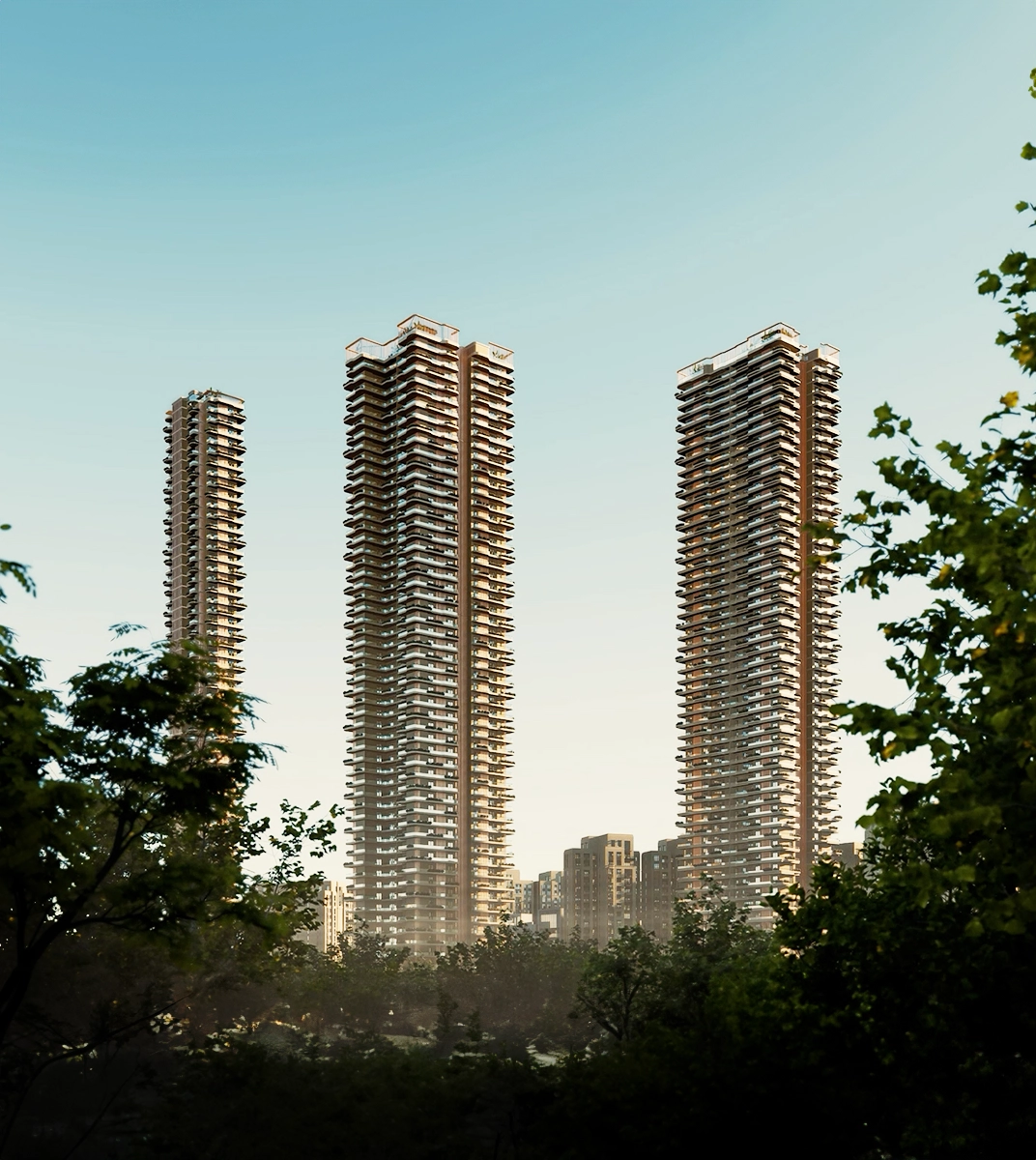
Anantam 85
Ultra-luxury residences on Dwarka Expressway offering expansive green spaces and world-class amenities.

Nandaka 84
Modern residential community in New Gurgaon designed for connectivity, comfort, and lifestyle.
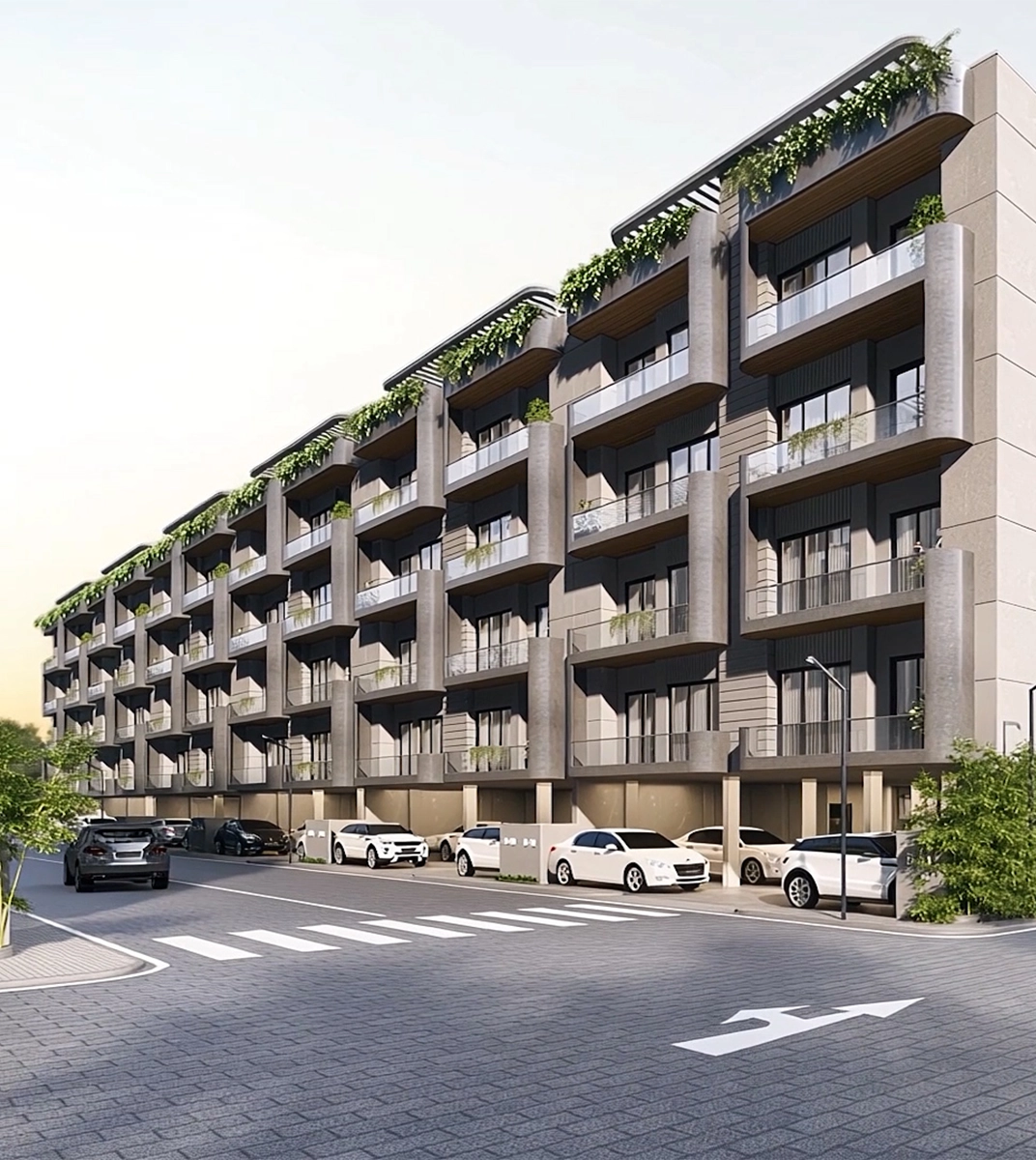
Ganga Kashi Residences
Premium residential development offering peaceful living with contemporary amenities.
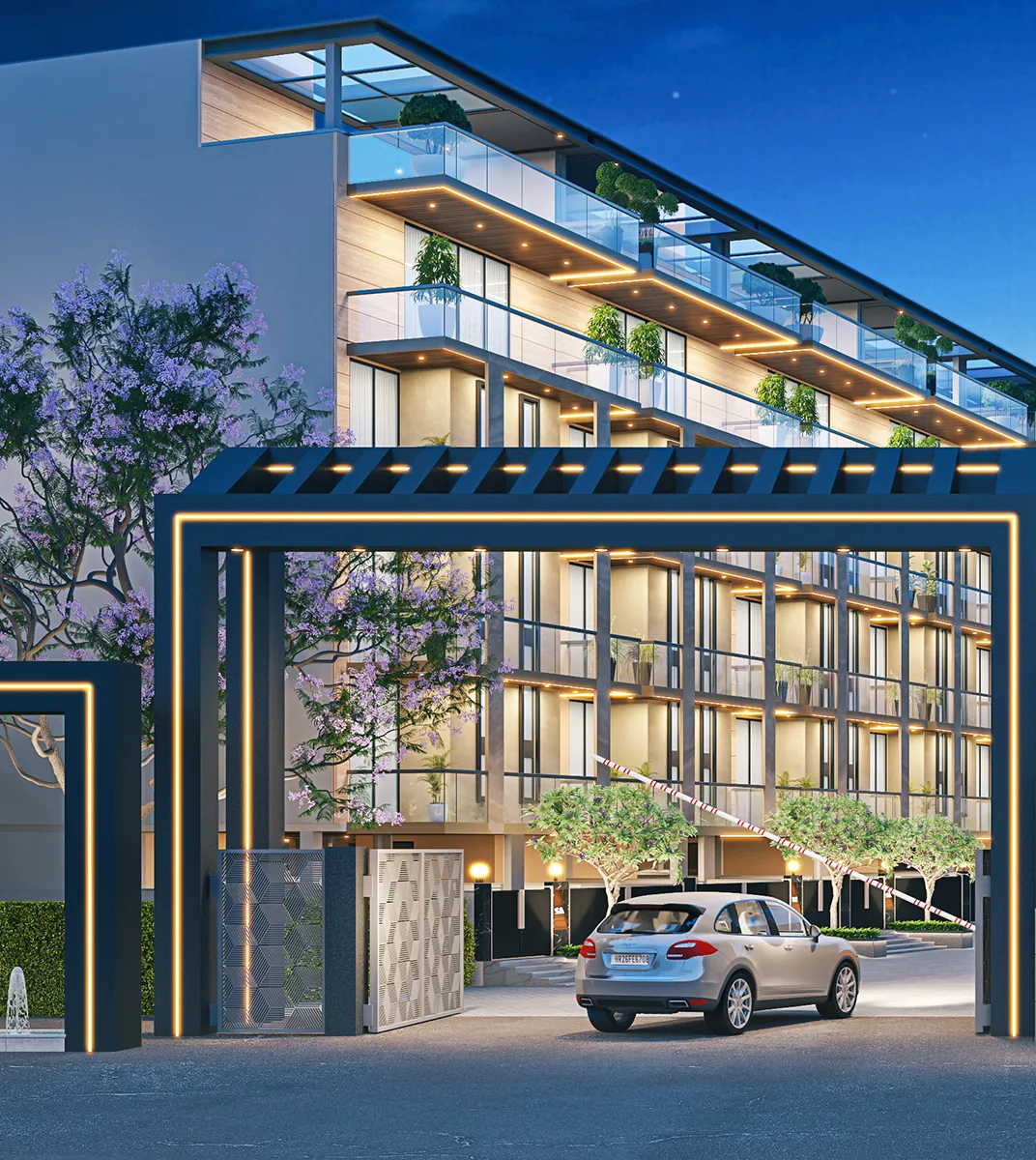
Ganga Valley 78
Integrated township living with lush green spaces and a complete lifestyle ecosystem.
Frequently Asked Questions
What documents should I check before buying a high-rise apartment?
Start with the applicable project registration, sanctioned plans, relevant approvals, agreement for sale, payment schedule and possession details. The additional documents required will depend on whether the apartment is under construction, newly completed or being resold.
Are higher-floor apartments more expensive to maintain?
Not necessarily. Maintenance charges depend on the project’s charging structure, shared services and applicable terms. Ask for a written breakdown instead of assuming that the floor number determines the cost.
What should I check about lifts in a 40-storey tower?
Review the number and capacity of lifts, floor coverage, maintenance arrangements, backup provisions and emergency communication. For occupied buildings, observing lift waiting times during peak hours can also be helpful.
Why is the Occupancy Certificate important?
Why is the Occupancy Certificate important?
The applicable Occupancy Certificate or other relevant occupation approval helps establish that the property has the necessary permission for occupation under the applicable framework. Buyers should verify that the documentation covers the specific tower or phase they intend to purchase.
What matters more when choosing a high-rise apartment: floor number or building quality?
Both can influence the living experience, but building quality, safety arrangements, essential services, apartment orientation and long-term maintenance deserve careful consideration. A higher floor does not automatically make an apartment the better choice.