When buying a home, property size is one of the first things buyers compare. A property may be advertised as 1,500 sq. ft., 2,000 sq. ft., or even larger. But what does that number actually represent? This is where terms such as carpet area, built-up area, and super built-up area become important.
Table of Contents
Understanding the difference between carpet area vs built-up area vs super built-up area can help you compare properties more accurately, understand what you are actually paying for, and make a more informed home-buying decision.
In simple terms, carpet area is closest to the usable area inside your home, while built-up and super built-up areas include additional components beyond the space you directly use. Understanding these measurements is also one of the important key decisions in home buying.
Why Understanding Property Area Matters
Two homes with the same advertised size may not offer the same amount of usable space.
For example, two apartments marketed as 1,500 sq. ft. could have different carpet areas depending on their walls, balconies, layout, and the way common areas are accounted for.
This is why buyers should look beyond the headline number and examine the floor plan, carpet area, room dimensions, and overall home layout.
If you are planning to buy a property in Gurgaon, you can also refer to this complete guide to buying a property in Gurgaon for broader financial, legal, and practical considerations.
What Is Carpet Area?
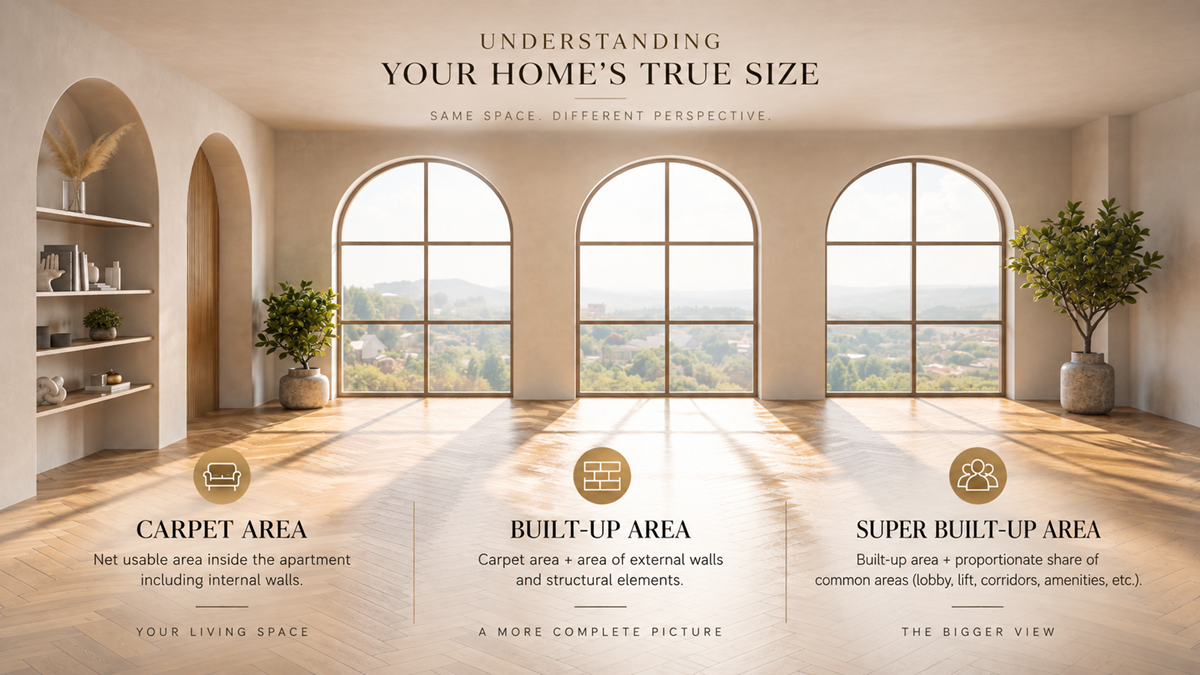
Carpet area refers broadly to the usable floor area within the apartment, measured according to the applicable regulatory definition. It represents the space available inside the home where you can actually use the floor area for living activities.
This generally includes spaces such as:
- Living room
- Bedrooms
- Dining area
- Kitchen
- Bathrooms
- Internal passages
However, specific inclusions and exclusions should always be checked against the applicable legal and project documentation.
Why Is Carpet Area Important?
Carpet area gives homebuyers a better understanding of the actual space available within the apartment.
For example, if two properties have the same super built-up area but different carpet areas, the apartment with the larger carpet area may provide more usable indoor space.
Before purchasing, buyers should therefore review the sanctioned plan and relevant property documents rather than relying only on a sales brochure.
You can also use a carpet area calculator to better understand how carpet area relates to property measurements.
What Is Built-Up Area?
Built-up area generally refers to the carpet area plus the area occupied by walls and certain other covered components associated with the apartment.
A simplified representation is:
Built-Up Area = Carpet Area + Wall Area + Other Applicable Covered Areas
Depending on the project and applicable measurement conventions, balconies, utility areas, or other covered spaces may also be considered.
Example
Suppose an apartment has:
- Carpet area: 1,000 sq. ft.
- Wall and other applicable covered areas: 150 sq. ft.
Its built-up area could be approximately:
1,000 + 150 = 1,150 sq. ft.
The exact calculation can vary depending on the property’s approved plans and measurement methodology.
What Is Super Built-Up Area?
Super built-up area is a broader measurement that can include the built-up area of the apartment along with the proportionate share of certain common areas of the development.
These common areas may include spaces such as:
- Lobbies
- Staircases
- Common corridors
- Lifts and lift areas
- Other shared facilities, where applicable
A simplified representation is:
Super Built-Up Area = Built-Up Area + Proportionate Common Area
This is why the super built-up area is generally higher than the carpet area.
Carpet Area vs Built-Up Area vs Super Built-Up Area
The easiest way to understand the difference is to look at what each measurement represents.
| Area Type | Generally Represents | What Buyers Should Understand |
|---|---|---|
| Carpet Area | Usable area within the home | Closest representation of usable indoor space |
| Built-Up Area | Carpet area + walls and applicable covered areas | Larger than carpet area |
| Super Built-Up Area | Built-up area + proportionate common areas | Includes a share of certain common spaces |
The three numbers can therefore describe the same property from different measurement perspectives.
Simple Example of Carpet Area, Built-Up Area and Super Built-Up Area
Consider a hypothetical apartment:
Carpet Area: 1,000 sq. ft.
Built-Up Area: 1,150 sq. ft.
Super Built-Up Area: 1,350 sq. ft.
In this example:
- 1,000 sq. ft. represents the carpet area.
- The additional 150 sq. ft. accounts for walls and other applicable covered areas.
- The additional 200 sq. ft. represents the proportionate share of applicable common areas.
Therefore, the property may be marketed using the 1,350 sq. ft. super built-up figure, while the actual indoor usable area is represented more closely by its carpet area.
These numbers are illustrative. Buyers should always verify the actual figures in the project’s approved plans, agreement, and applicable regulatory disclosures.
How to Calculate Carpet Area, Built-Up Area and Super Built-Up Area
There is no single universal percentage that can accurately convert one area measurement into another for every property.
However, the relationship can be understood conceptually.
Carpet Area
The carpet area is determined according to the applicable measurement definition and approved plans.
Carpet Area = Built-up Area − Area of External Walls − Service Shafts − Balcony/Terrace Area
Built-Up Area
A simplified calculation is:
Built-Up Area = Carpet Area + Applicable Wall/Covered Areas
Super Built-Up Area
A simplified calculation is:
Super Built-Up Area = Built-Up Area + Proportionate Common Areas
Because the actual calculation depends on the project, buyers should not assume that a fixed percentage of loading applies to every apartment.
For buyers who want to understand carpet area more practically, a carpet area calculator can also be useful as a reference tool.
Carpet Area vs Built-Up Area: What Is the Difference?
The primary difference is that carpet area focuses on the usable area within the home, while built-up area adds walls and other applicable covered spaces.
For example:
1,000 sq. ft. carpet area
- 150 sq. ft. applicable additional area = 1,150 sq. ft. built-up area
Therefore, built-up area will generally be greater than carpet area.
When comparing two apartments, don’t assume that identical built-up areas mean identical usable space. Always examine the carpet area and floor plan.
Built-Up Area vs Super Built-Up Area: What Is the Difference?
The difference is mainly the inclusion of a proportionate share of common areas.
For example:
1,150 sq. ft. built-up area
- 200 sq. ft. proportionate common area = 1,350 sq. ft. super built-up area
This means the super built-up figure can include an allocation for shared areas that are not part of the private apartment itself.
For this reason, buyers should understand exactly what area is being quoted when comparing property prices.
Which Area Should You Consider When Buying a Home?
There isn’t one number that should be considered in isolation.
A smart homebuyer should evaluate:
- Carpet area
- Built-up area
- Super built-up area
- Floor plan
- Room dimensions
- Balcony and utility spaces
- Loading or common-area component
- Price per relevant area measurement
- What is specified in the agreement and regulatory documents
The carpet area is particularly important because it provides a clearer understanding of the usable space available within the apartment.
But even carpet area does not tell the entire story.
A well-planned 1,200 sq. ft. home can potentially feel more functional than a poorly planned home with a larger headline area. Room proportions, circulation, storage, natural light, ventilation, and furniture placement all influence how the space actually works.
Why Carpet Area Matters for Homebuyers
- It Helps You Understand Usable Space: The carpet area provides a more meaningful reference for understanding how much indoor space you actually have.
- It Makes Property Comparisons Easier: Comparing apartments only on super built-up area can sometimes be misleading. Looking at carpet area helps create a more meaningful comparison.
- It Helps You Evaluate the Floor Plan: Once you know the carpet area, study how that space has been distributed between bedrooms, living areas, kitchen, bathrooms, corridors, and other spaces.
- It Helps You Assess Value: A lower price per square foot does not necessarily mean better value if the property offers significantly less usable space.
The goal should be to understand what you are paying for and what you actually receive.
What Is RERA Carpet Area?
For properties covered by the applicable RERA framework, the term carpet area has a defined regulatory meaning. This makes it particularly important for homebuyers to understand the carpet area mentioned in the project’s regulatory disclosures and agreements.
Buyers should also review the relevant RERA information before making a purchase decision. For a broader understanding of the regulatory framework, you can explore this guide to RERA Haryana.
Common Mistakes Buyers Make When Comparing Property Sizes
- Comparing Only the Super Built-Up Area: A larger advertised number does not automatically mean more usable space.
- Ignoring the Floor Plan: The same carpet area can feel very different depending on the layout.
- Assuming a Fixed Loading Percentage: Loading can vary between projects. Don’t assume that one standard percentage applies everywhere.
- Not Checking the Agreement: Always compare the area mentioned in marketing material with the relevant contractual and regulatory documents.
- Focusing Only on Price Per Square Foot: Price per sq. ft. should be evaluated alongside carpet area, specifications, location, floor plan, amenities, and other relevant factors.
- Not Measuring Furniture Fit: A room may look spacious on a plan but work differently once beds, wardrobes, sofas, dining tables, and other furniture are placed.
You can also refer to this detailed guide on things to check before buying a flat in Gurgaon before making your final decision.
What Should You Check Before Buying a Property?
Before finalising a home, ask the developer or sales representative for clarity on:
- Carpet area
- Built-up area, if provided
- Super built-up area, if applicable
- Loading or common-area component
- Approved floor plan
- Room dimensions
- Balcony and utility areas
- RERA disclosures
- Agreement specifications
- Total price and applicable charges
You can also refer to a detailed guide on things to check before buying a flat in Gurgaon before making your final decision. For additional due diligence, review these RERA-registered projects in Gurugram considerations before making a decision.
Final Takeaway
Understanding the difference between carpet area vs built-up area vs super built-up area is essential for making a smarter property purchase.
The headline number in a property advertisement tells only part of the story. Carpet area helps you understand usable indoor space, built-up area accounts for additional covered components, and super built-up area can include a proportionate share of common areas.
Before buying, look beyond the square-foot figure. Study the floor plan, carpet area, room dimensions, documentation, and overall functionality of the home. Ultimately, the best home isn’t necessarily the one with the biggest number on the brochure. It is the one that gives you the right combination of usable space, thoughtful planning, comfort, and value.
For buyers exploring luxury residential projects in Gurgaon, understanding these area measurements is an important first step toward making a more informed property decision.
Anantam 85
Ultra-luxury residences on Dwarka Expressway offering expansive green spaces and world-class amenities.
View Project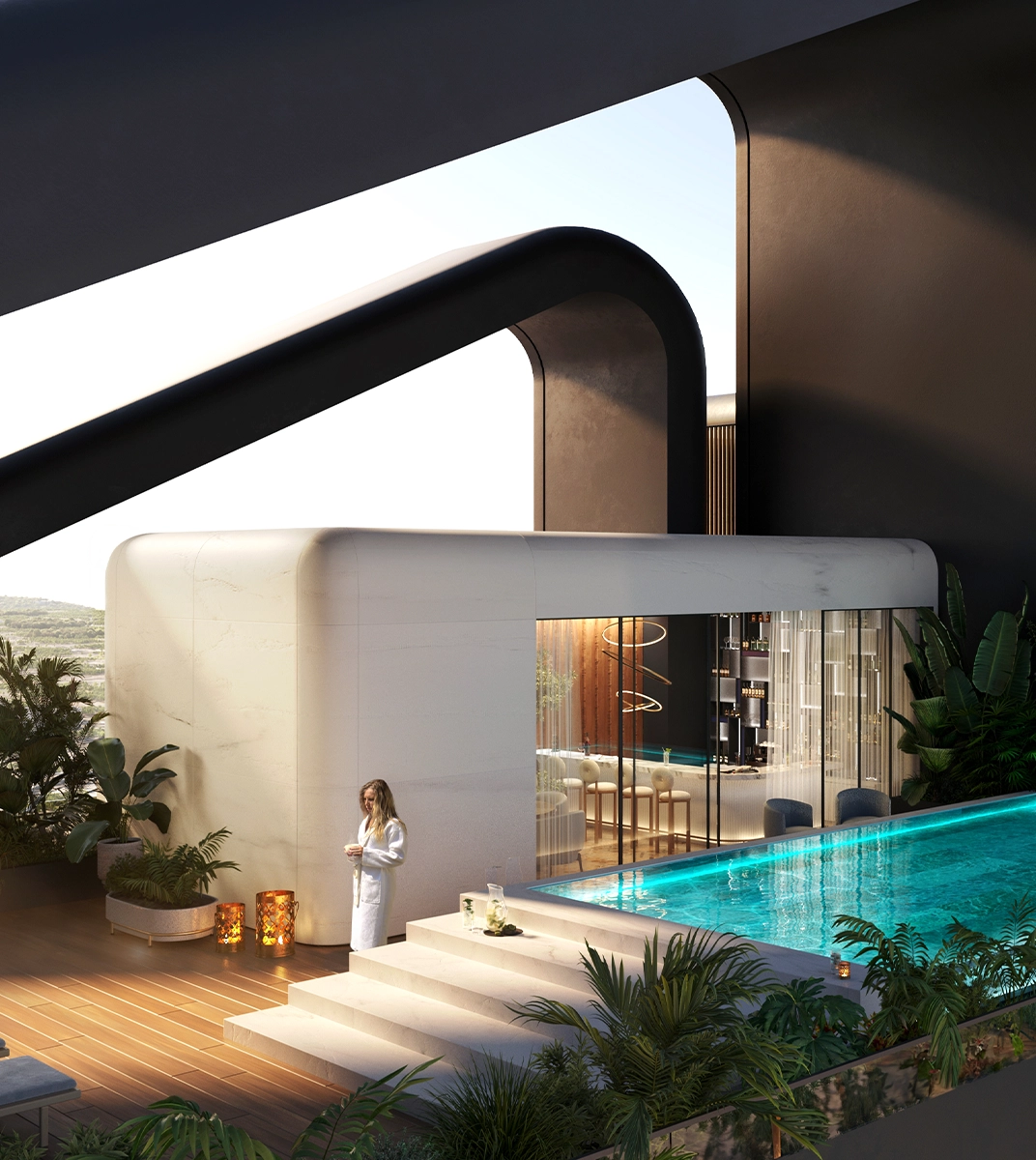
Nandaka 84
Modern residential community in New Gurgaon designed for connectivity, comfort, and lifestyle.
View Project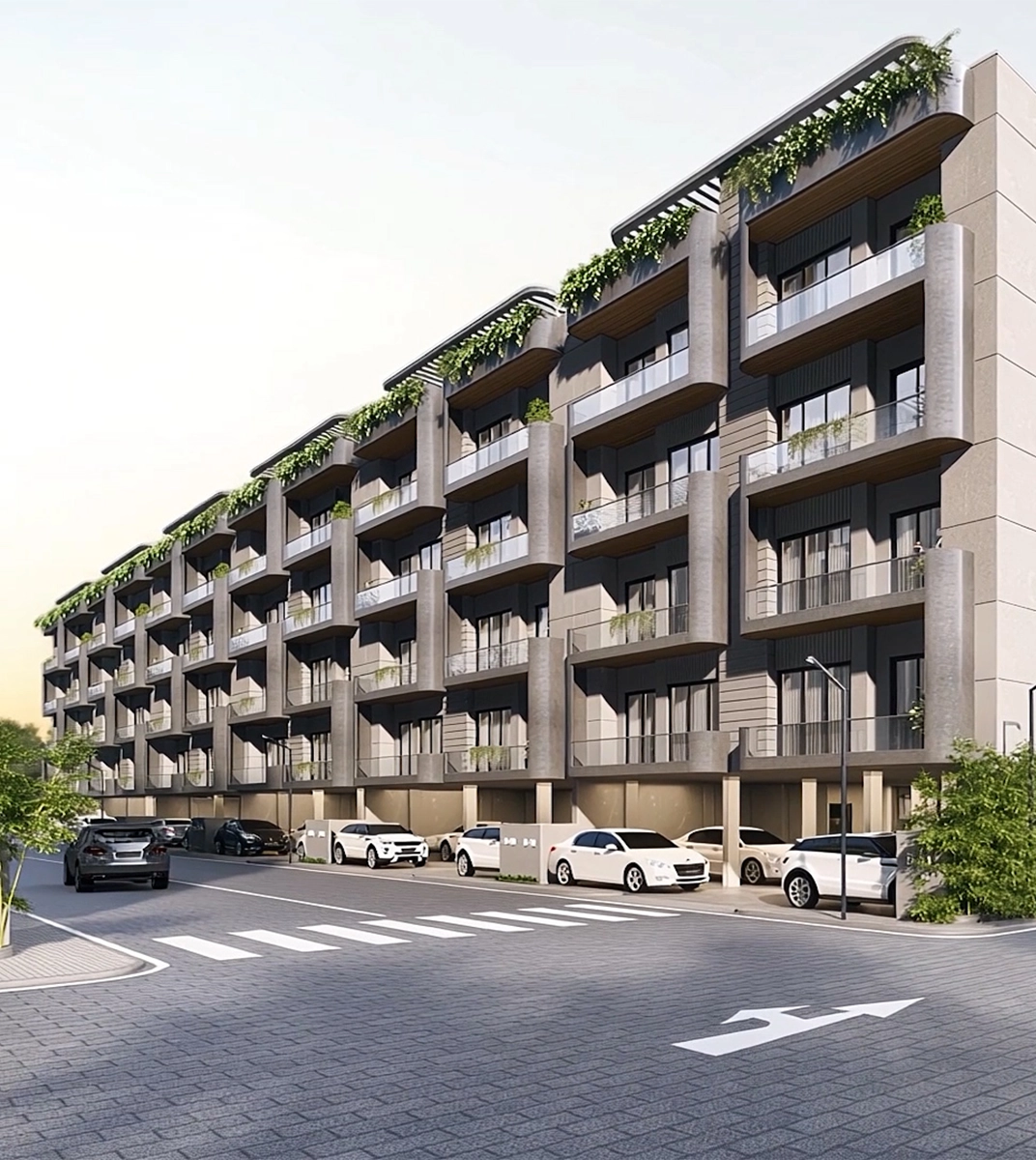
Ganga Kashi Residences
Premium residential development offering peaceful living with contemporary amenities.
View Project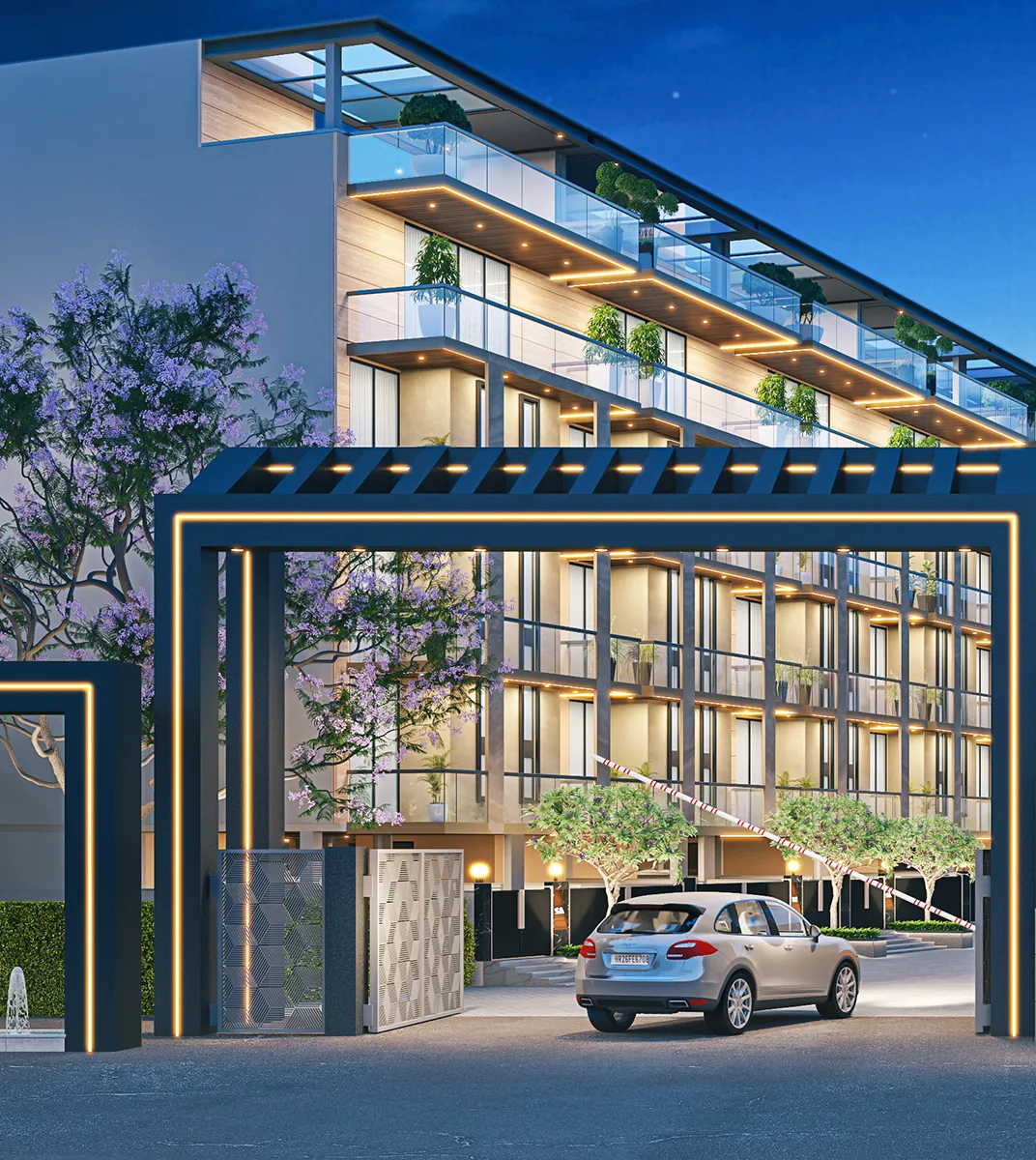
Ganga Valley 78
Integrated township living with lush green spaces and a complete lifestyle ecosystem.
View Project