
TDR in Real Estate
27 May 2026|8 Minutes Read
By : Ganga Realty

What Is TDR in Real Estate? Meaning, Types, and Benefits

Real estate comes with several technical terms that influence property development, land value, and city planning. One such important concept is TDR in Real Estate, which plays a major role in modern urban development.

Whether you are a homebuyer, landowner, investor, or simply someone interested in understanding real estate systems, knowing how TDR works can help you better understand how cities expand and evolve.

As urban areas continue to grow and governments require land for roads, infrastructure, and public projects, acquiring land through direct compensation can become expensive and complicated. This is where Transferable Development Rights (TDR) become useful.

TDR creates an alternative system where landowners are compensated through development rights instead of direct monetary payments.

Understanding TDR in Real Estate can help investors identify future growth opportunities and help landowners understand the value of development rights associated with their property.

What Is TDR in Real Estate?

The full form of TDR is Transferable Development Rights. In simple terms, TDR refers to the transfer of unused or surrendered development rights from one land parcel to another.

TDR certificates

To understand it easily, every property has a certain development potential determined by local planning regulations. When the government acquires or reserves a land parcel for public purposes—such as road expansion, parks, public infrastructure, or heritage conservation—the owner may receive TDR certificates instead of cash compensation.

These rights can later be transferred or sold to developers who wish to construct additional floor area in approved locations.

The purpose of TDR in Real Estate is to support planned urban development while minimizing financial burdens on authorities and ensuring fair compensation to landowners.

How Does TDR Work?

The process of Transferable Development Rights usually follows a structured approach:

Step 1: Government Identifies and Acquires Land for Public Use

Urban development authorities or municipal corporations identify privately owned land required for public infrastructure and city development projects. These projects may include:

  • Road widening projects
  • Metro rail corridors
  • Flyovers and highways
  • Public parks and green zones
  • Schools and hospitals
  • Drainage and utility infrastructure
  • Urban redevelopment initiatives

Instead of purchasing the land entirely through immediate monetary compensation, authorities may choose the TDR model to reduce financial pressure and speed up land acquisition.

In this stage:

  • The land is either surrendered voluntarily by the owner or acquired under government regulations.
  • Authorities verify ownership documents, land records, and zoning compliance.
  • The surrendered land becomes part of the public infrastructure or development plan.

Step 2: Landowner Receives TDR Certificate or Development Rights

Once the land is surrendered, the property owner receives a TDR Certificate or Development Rights Certificate (DRC) from the local authority.

This certificate represents a specific amount of additional built-up area or Floor Space Index (FSI/FAR) that can be utilized elsewhere.

The value of the TDR generally depends on factors such as:

  • Size of the surrendered land
  • Location and market value of the property
  • Applicable city regulations
  • Permissible FSI in receiving zones
  • Nature of the public project

The certificate legally confirms that the landowner now possesses transferable construction or development rights equivalent to the value determined by the authority.

Step 3: Development Rights Can Be Sold, Transferred, or Utilized

The landowner is not required to use the TDR personally. Instead, they have multiple options:

Option A: Sell TDR in the Open Market: The owner can sell the TDR certificate to real estate developers or investors interested in acquiring additional construction rights.

Option B: Transfer Rights to Another Property: In some cities, the owner may transfer these development rights to another eligible property they already own.

Option C: Hold TDR for Future Use: If market conditions are unfavorable, the owner may choose to retain the TDR certificate and use or sell it later. The market value of TDR depends on:

  • Government regulations and policy changes
  • Demand for additional construction rights
  • Real estate growth in receiving zones
  • Infrastructure development in the city

Step 4: Developers Purchase TDR for Additional Construction Rights

Real estate developers often purchase TDR certificates to increase the permissible built-up area of their projects beyond standard zoning limits.

For example:

  • A developer planning a residential or commercial project may need higher FSI/FAR.
  • By purchasing TDR, they can legally construct additional floors or larger built-up spaces in designated receiving zones approved by the authority.

This benefits developers because it:

  • Enhances project profitability
  • Increases saleable area
  • Improves land utilization
  • Enables high-density development in growth corridors

However, developers must comply with:

  • Environmental and infrastructure guidelines
  • Local zoning regulations
  • Building bylaws
  • Maximum permissible FSI limits

Example:

Suppose a city requires a portion of land for road widening. Instead of paying cash immediately, authorities issue development rights equivalent to the surrendered land area. The owner then sells those rights to a builder constructing a large residential or commercial project.

This system creates benefits for governments, developers, and landowners alike.

Types of TDR in Real Estate

Different urban requirements create different categories of TDR. Understanding the Types of TDR can help explain its role in city planning.

Road Widening TDR

Cities often require additional land for road expansion and traffic management projects. In such cases, landowners surrender land and receive transferable development rights as compensation.

This helps governments complete infrastructure projects without large upfront expenditures.

Slum Rehabilitation TDR

Authorities encourage redevelopment and rehabilitation projects by granting additional development rights to builders involved in improving housing conditions.

This type of TDR supports social and urban redevelopment initiatives.

Heritage Conservation TDR

Owners of heritage buildings frequently face restrictions on redevelopment due to preservation rules. TDR allows them to transfer unused development potential elsewhere while preserving historical structures.

Public Amenities TDR

Land reserved for schools, parks, hospitals, public utilities, or community spaces can generate TDR compensation. This helps support planned urban growth without delaying public projects.

Agricultural or Reserved Land TDR

In some cases, land classified under restricted or reserved categories may generate development rights when used for approved planning objectives. Policies vary across regions and local authorities

Benefits of TDR in Real Estate

The Benefits of TDR extend across multiple stakeholders and urban systems.

  • Provides compensation without immediate cash payments
  • Supports organized and planned urban development
  • Helps governments complete infrastructure projects efficiently
  • Offers financial benefits to landowners
  • Encourages redevelopment projects
  • Enables flexible land-use planning
  • Reduces financial burden on municipal authorities
  • Creates opportunities for developers seeking additional construction capacity

By using Transfer of Development Rights, cities can grow in a more structured and sustainable manner.

Advantages and Challenges of TDR

Like every urban planning mechanism, TDR has strengths and limitations.

AspectAdvantages of TDR (Transferable Development Rights)Challenges of TDR
Infrastructure & DevelopmentFaster infrastructure development as authorities can acquire land efficiently for public projects.Regulatory complexity due to varying city-specific rules and approval processes.
Land UtilizationPromotes efficient land use by transferring unused development rights to high-growth areas.Regional policy differences across states and municipalities create inconsistency.
Financial ImpactReduces the financial burden on governments by minimizing direct land acquisition costs.Market value fluctuations can affect the pricing and attractiveness of TDR certificates.
Urban RedevelopmentEncourages urban redevelopment by providing incentives to developers for redevelopment projects.Limited public awareness about development rights and TDR mechanisms among property owners.
Investment PotentialCreates opportunities for developers and investors to maximize project potential in premium zones.Uncertainty in demand and acceptance may impact the practical use of TDR in some regions.

These challenges highlight the need for transparent real estate regulations and awareness among stakeholders.

Why TDR Is Important in Modern Urban Development

Rapid urbanization has increased pressure on city infrastructure. Expanding populations require better roads, transportation systems, public facilities, and housing projects.

Traditional land acquisition methods can be expensive and time-consuming. As cities continue growing, TDR in Real Estate has emerged as an effective planning mechanism that balances development with fair compensation.

Modern urban planning increasingly relies on innovative methods like TDR to support sustainable expansion without disrupting property ownership systems.

Many rapidly growing urban regions now use TDR frameworks to facilitate infrastructure development while preserving public resources.

Conclusion

Understanding TDR in Real Estate helps explain an important aspect of city planning and land development. Transferable Development Rights offer a practical solution where governments, landowners, and developers all benefit.

Through TDR systems, authorities can acquire land for public projects, landowners receive compensation through development rights, and developers gain additional construction potential. As cities continue expanding, TDR will likely remain a key component of future urban development strategies.

For investors and property owners, understanding how TDR works can provide valuable insight into real estate opportunities and infrastructure-driven growth. To explore premium investment opportunities in Gurgaon’s rapidly developing corridors, discover luxury residential projects by Ganga Realty
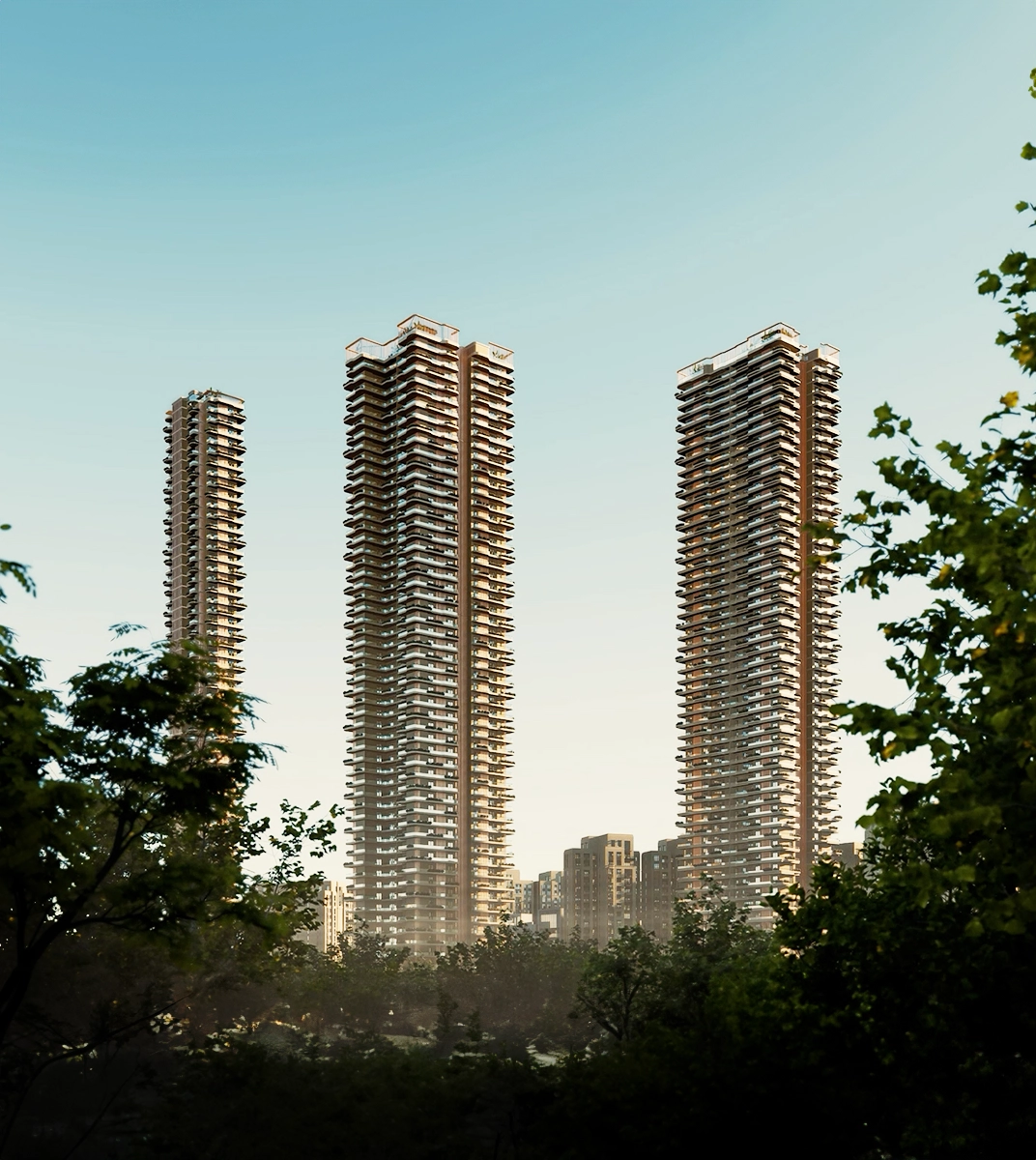
anantam85

Anantam 85

Ultra-luxury residences on Dwarka Expressway offering expansive green spaces and world-class amenities.

View Project

nandaka84

Nandaka 84

Modern residential community in New Gurgaon designed for connectivity, comfort, and lifestyle.

View Project
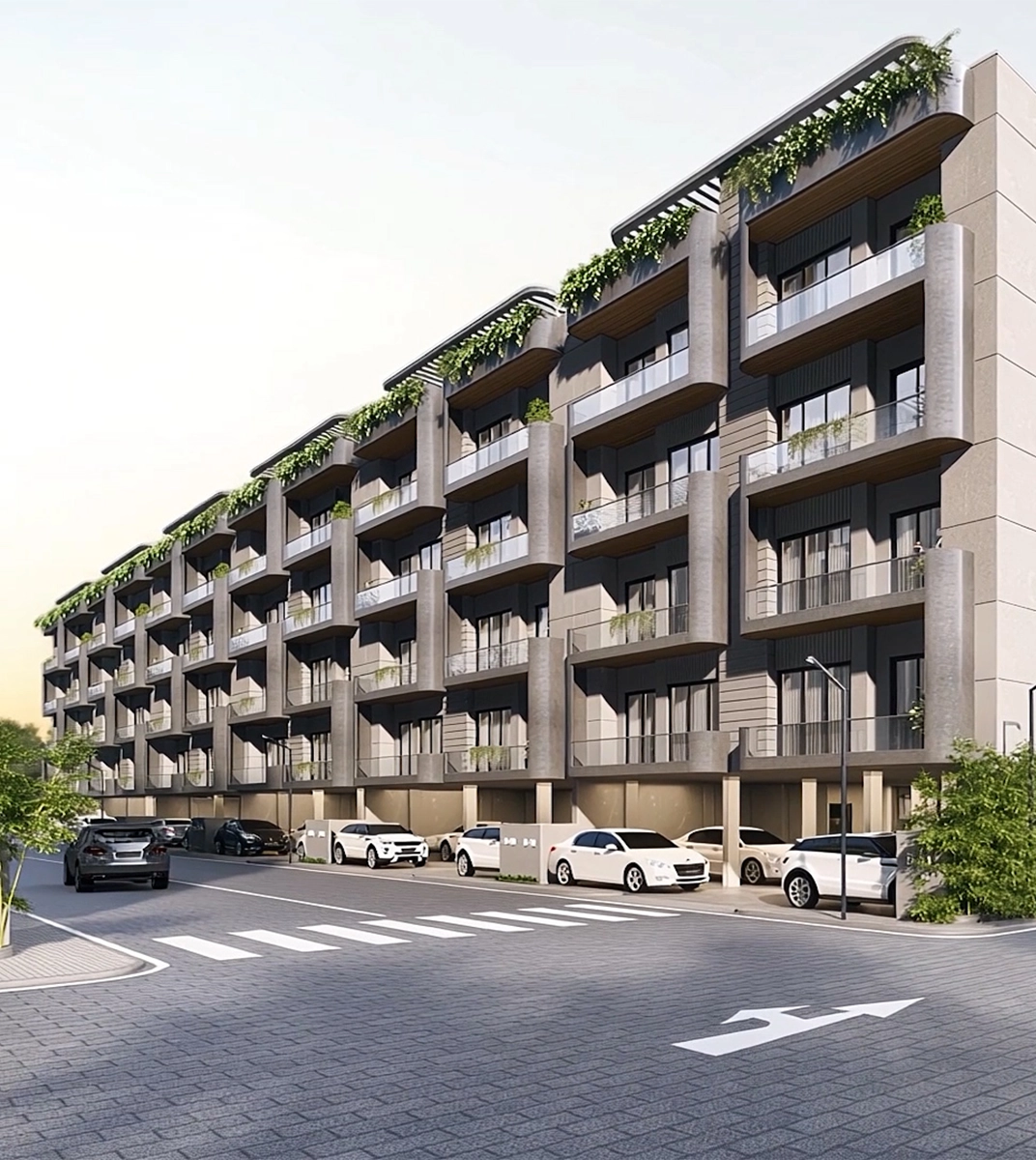
kashi-residences

Ganga Kashi Residencies

Premium residential development offering peaceful living with contemporary amenities.

View Project
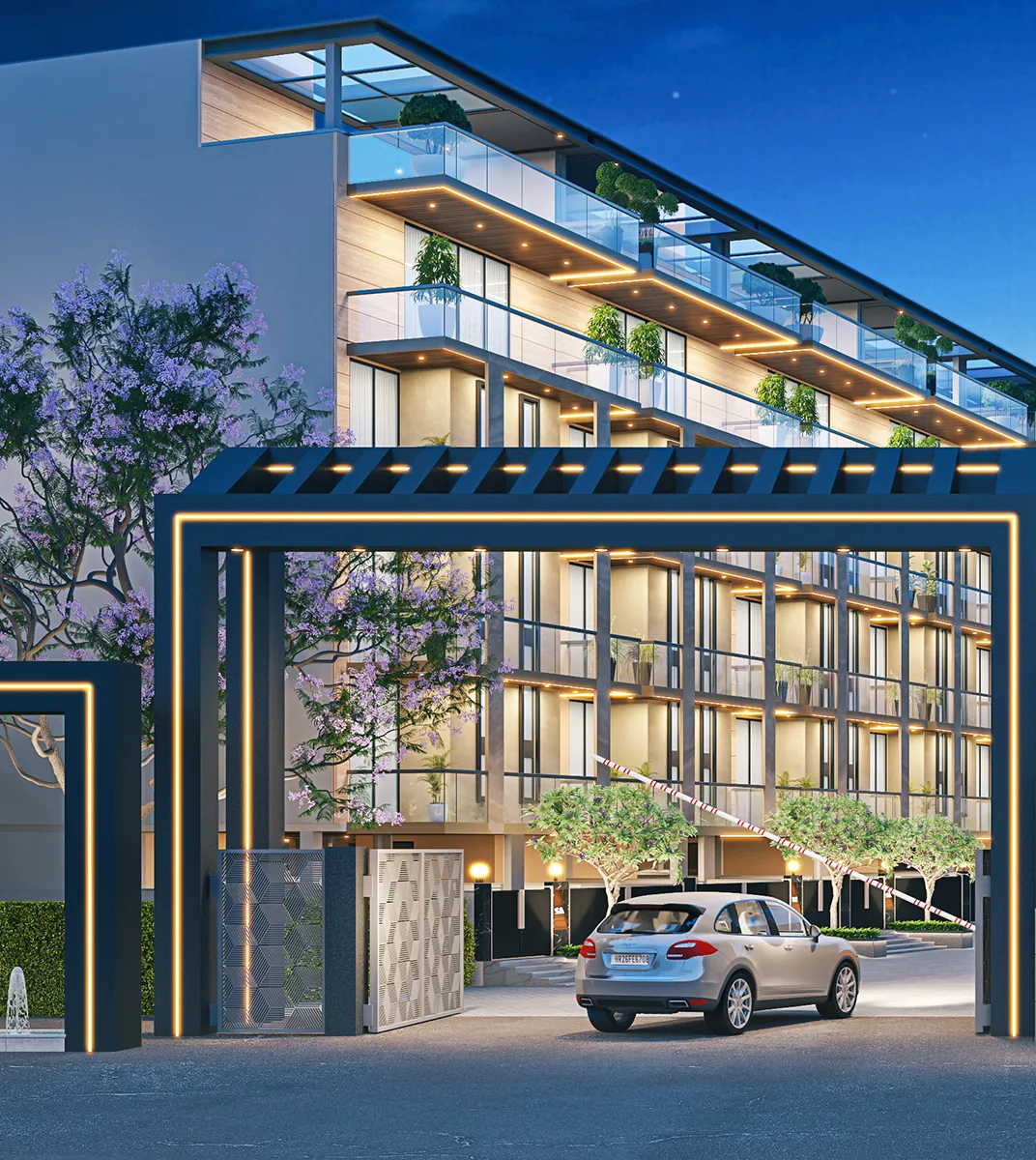
ganga-valley

Ganga Valley 78

Integrated township living with lush green spaces and a complete lifestyle ecosystem.

View Project

FAQs about TDR in Real Estate

Yes, TDR is legally transferable, subject to approval and regulations laid down by the respective urban development authority or municipal corporation.

Yes, TDR transactions may attract taxes such as capital gains tax, GST, or stamp duty depending on state laws and transaction structure. It is advisable to consult a tax expert before buying or selling TDR.

FSI (Floor Space Index) determines the maximum permissible construction area on a plot, while TDR allows developers to purchase additional development rights to increase permissible built-up area beyond standard FSI limits.

TDR helps cities manage rapid urbanization efficiently by enabling planned growth, improving infrastructure development, and reducing the financial burden on governments.

Yes, depending on local regulations, TDR can be used in both residential and commercial real estate developments.


Enquire Now

Recent Posts

Real Estate Laws and Regulations in India: What Every Property Buyer Must Know in 2026
22 May 2026|9 Minutes Read

Real Estate Laws and Regulations in India: What Every Property Buyer Must Know in 2026

Buying a home in India used to feel like navigating a maze. Incomplete projects, shady developers, hidden charges — the stories were everywhere. But over the past decade, and especially in the last two years, the legal landscape has shifted in ways that genuinely matter for buyers. Whether you're a first-time buyer or looking to invest in a luxury residential project in Gurugram or NCR, here's what the law actually says — old rules, new rules, and the 2025–2026 updates that change the picture. Before RERA: What the Old System Looked Like Before 2016, India had no single central law governing real estate transactions. Buyers relied on state-level laws, the Transfer of Property Act 1882, and the Registration Act 1908. These gave buyers basic rights — like getting a registered sale deed — but they offered almost no protection against project delays, fund misuse, or misleading advertisements. Developers could collect full payment upfront, divert funds to other projects, and leave buyers waiting for possession for years. There was no mandatory disclosure of project approvals, no fixed timeline for delivery, and no penalties for non-compliance. Buyers had to approach consumer courts or civil courts, which meant years of litigation with uncertain outcomes. It wasn't a great system. Most people knew it. Change was overdue. RERA 2016: The Law That Rewrote the Rules The Real Estate (Regulation and Development) Act, 2016 — better known as RERA — came into effect across India on May 1, 2017. It created a dedicated regulatory authority in each state, made registration of projects mandatory, and gave buyers legally enforceable rights for the first time. Here's what RERA does at its core: Mandatory project registration: Any residential or commercial project above 500 sq. meters or with more than 8 units must be registered with the state RERA authority before marketing or selling begins. Buyers can check project status, approvals, and developer history directly on the RERA portal. Escrow account protection: Developers must deposit 70% of the funds collected from buyers into a dedicated escrow account. These funds can only be used for construction of that specific project — not diverted elsewhere. Possession timeline accountability: Developers must commit to a delivery date and are liable for interest payments if they miss it. If you don't receive possession on time, you can claim compensation or ask for a refund with interest. Carpet area transparency: RERA standardized how carpet area is calculated and made it the basis for all transactions. The days of paying for "super built-up area" that included staircases and common lobbies are over. 5-year structural warranty: After handing over possession, the developer is responsible for fixing any structural defects reported within five years at no extra cost to the buyer. For buyers, RERA turned several handshake promises into legal obligations. RERA 2.0: What Changed in 2025–2026 RERA 2.0 isn't a new law — it's an enhanced enforcement mechanism that launched in March 2026, and it's the most meaningful upgrade to real estate regulation since the original act came into force. Three changes matter most for buyers: Three-bank-account system: Under RERA 2.0, your payment goes into a Collection Account first. From there, 70% is automatically transferred to a project-specific escrow account that can only be used for construction and land costs. Mandatory third-party audits and regular fund utilization reports are now required — removing the older practice of builders moving buyer money between projects. QR-code project transparency: Every RERA-registered project now carries a QR code. Scan it and you get live project status, approvals, financial health, and construction updates directly from the regulatory portal. No more relying on the developer's sales team for updates on your own investment. Stricter possession enforcement: RERA authorities can now take suo moto action against developers even without a buyer complaint. If possession is delayed beyond the grace period, regulators can freeze a developer's bank accounts — and the "conclusive completion" rule means possession must include all promised amenities like clubhouses and roads, not just the physical apartment unit. Also notable: the Jan Vishwas (Amendment of Provisions) Act, 2026, enforced in May 2026, removed the imprisonment provision for allottees who fail to comply with Appellate Tribunal orders. Non-compliance now attracts a monetary penalty of up to 10% of the property cost — a more proportionate consequence that most real estate and legal observers have welcomed as a buyer-friendly correction. GST on Property: Current Rates The Goods and Services Tax, introduced in 2017, replaced the earlier tangle of VAT, service tax, and other charges on under-construction properties. Current rates: Under-construction properties: 5% GST (without input tax credit) Affordable housing (units up to ₹45 lakh, with carpet area up to 60 sq. m in metros or 90 sq. m in non-metros): 1% GST Completed properties with an Occupancy Certificate: No GST applicable Society maintenance charges: 18% GST applies only if monthly maintenance exceeds ₹7,500 per member and the housing society's annual collection crosses ₹20 lakh The affordable housing threshold is worth factoring in early if you're evaluating projects in that price range. Stamp Duty and Registration in Haryana: Now Fully Digital Stamp duty and registration charges in Haryana — where Ganga Realty’s projects are based — the rates for 2026 are governed under the latest Stamp Duty in Haryana guidelines. These charges vary depending on factors such as property type, buyer category, ownership structure, and property location. Understanding Stamp Duty in Haryana is important for homebuyers and investors because it directly impacts the overall cost of property registration and legal ownership transfer. Urban areas: 7% for male buyers, 5% for female buyers, 6% for joint ownership Rural areas: 5% for male buyers, 3% for female buyers, 4% for joint ownership Registration fee: 1% of market value or agreement value (whichever is higher), capped at ₹50,000 What's changed significantly is how registration works. In November 2025, Haryana made online property registration mandatory through the Unified Property Registration Portal. The entire process — document upload, identity verification, stamp duty calculation, and fee payment — now happens online. Only one physical visit to the Sub-Registrar Office is required, for biometric verification and signing. After that, property details are automatically updated in the Jamabandi database and the registered deed is available for download. No separate Tehsil visit, no manual mutation request. For buyers in Gurugram, this cuts out most of the paperwork friction that previously made registration slow and opaque. The New Income-Tax Act, 2025 India's Income-Tax Act, 2025 replaced the six-decade-old Income Tax Act, 1961, and came into force on April 1, 2026. The new act consolidates and simplifies tax law, but the core home loan deductions remain: Section 80C equivalent: Principal repayment on home loan remains deductible up to ₹1.5 lakh per year Section 24(b) equivalent: Interest on home loan remains deductible up to ₹2 lakh per year for self-occupied properties Section 80EEA equivalent: First-time buyers of affordable housing can still claim an additional ₹1.5 lakh deduction on home loan interest, subject to conditions The structure is largely retained from the old act — the 2025 Act is a recodification, not a reinvention of tax benefits. That said, if you're filing returns for FY 2026–27 onward, work with a tax advisor using the new act's section references rather than the 1961 Act's. Benami Transactions and Digital Traceability The Benami Transactions (Prohibition) Amendment Act, 2016 gave authorities power to investigate and confiscate properties held in someone else's name to evade taxes or hide assets. In 2025, AI-enabled analysis of property data is being deployed to trace alleged benami transactions — and all property transactions are now coded with PAN/Aadhaar for traceability. This applies to NRI purchases, joint ownership structures, and any transaction where the funds trail isn't clean. The short version: document your source of funds. Don't assume complexity in ownership structures goes unnoticed. Why This Matters When Choosing a Developer Laws protect you only if the developer is operating within them. A RERA-registered project means timelines, approvals, and finances have been submitted to an authority that can act if the developer defaults. Under RERA 2.0, that authority has more tools — and more obligation to use them — than ever before. At Ganga Realty, all residential projects are RERA-registered and fully compliant under Haryana RERA. Projects like Ganga Anantam 84 and Ganga Nandaka in Sector 85, Gurugram have been built with transparent pricing, clear carpet area disclosures, and legally documented possession timelines. You can scan the QR code on any Ganga Realty project registration to verify status independently on the Haryana RERA portal — no need to take a salesperson's word for it. If you're exploring property in Gurugram, New Gurugram, or the broader NCR region, that kind of verifiable compliance is the baseline you should demand from any developer. Buyer Checklist for 2026 Before signing anything: Is the project RERA-registered? Scan the QR code on the project board or check the state RERA portal directly. Does the sale agreement clearly state the carpet area, possession date, penalty clause, and all promised amenities? Is stamp duty, registration fee, and GST factored into your total budget? Have you run the developer's name through the RERA portal to check past complaints or delayed projects? Is your home loan pre-approved and are the applicable deductions under the new Income-Tax Act, 2025 confirmed with your CA? Is the registration being done through Haryana's Unified Property Registration Portal (mandatory since November 2025)? Buying property in India in 2026 is meaningfully safer than it was five years ago. The legal framework has caught up — but only buyers who know their rights actually benefit from it. Interested in RERA-compliant homes in Gurugram? Explore Ganga Realty's current projects at Ganga Realty or speak to the sales team for project-specific RERA registration details. Conclusion India's real estate legal framework in 2026 is the strongest it has ever been for buyers. RERA established the baseline. RERA 2.0 and the Jan Vishwas Act amendments have tightened enforcement. Haryana's digital registration system has cut paperwork and opacity from the registration process. The new Income-Tax Act, 2025 has preserved the home loan deductions buyers rely on. And the benami tracing tools now in place mean the days of undocumented, opaque property deals are genuinely numbered. At Ganga Realty, legal compliance isn't treated as a checkbox. Projects like Ganga Anantam and Ganga Nandaka in Sector 85, Gurugram, are designed to give buyers the documentation, disclosures, and timelines the law requires — because that's what builds trust that lasts beyond the booking. Frequently Asked Questions

Read More
High ROI Properties in Gurgaon: Why Dwarka Expressway Is the Future of Luxury Investment
22 May 2026|6 Minutes Read

High ROI Properties in Gurgaon: Why Dwarka Expressway Is the Future of Luxury Investment

Gurgaon has firmly established itself as one of India’s fastest-growing real estate destinations. From premium residential townships to global corporate hubs, the city continues to attract investors seeking strong capital appreciation and long-term wealth creation. Among the emerging growth corridors, Dwarka Expressway investment has become one of the most promising opportunities in NCR real estate. With world-class infrastructure, seamless Delhi-Gurgaon connectivity, rising luxury housing demand, and expanding commercial development, Dwarka Expressway is transforming into a future-ready urban corridor. Investors looking for high ROI properties in Gurgaon are increasingly focusing on this location because of its strong appreciation potential and evolving luxury lifestyle ecosystem. As a trusted name in Gurgaon’s luxury real estate market, Ganga Realty is contributing to this transformation through premium residential developments designed for modern urban living. [ez-toc] Strategic Location Advantage of Dwarka Expressway One of the biggest reasons behind the growing popularity of Dwarka Expressway investment is its strategic location. The corridor connects Delhi and Gurgaon while significantly improving travel efficiency across NCR. Residents and investors benefit from excellent connectivity to: IGI Airport NH-48 Cyber City Golf Course Road Udyog Vihar Major business districts in Gurgaon For professionals working in Gurgaon’s commercial hubs, reduced commute time and improved accessibility are major lifestyle advantages. Better connectivity also plays a direct role in increasing Gurgaon property appreciation, making Dwarka Expressway one of the best investment locations in Gurgaon. As infrastructure improves further, the region is expected to witness sustained residential and commercial demand over the coming years. Infrastructure Growth Is Driving Real Estate Appreciation Infrastructure development has always been one of the strongest drivers of real estate returns in Gurgaon, and Dwarka Expressway is currently experiencing large-scale transformation. Key developments shaping the corridor include: Completion of the Dwarka Expressway Proposed metro connectivity expansion Wider roads and improved traffic management Urban infrastructure modernization Smart civic planning Improved social infrastructure The future growth of Dwarka Expressway is heavily supported by these developments, which are expected to strengthen long-term property appreciation. Historically, infrastructure-led growth corridors in Gurgaon have delivered strong investment returns. Similar trends are now visible across Dwarka Expressway, where rising demand and improved connectivity are driving growth in Dwarka Expressway property prices. Luxury Housing Demand Is Rising Rapidly The luxury housing segment in Gurgaon has witnessed significant growth over the past few years. Today’s buyers are looking beyond traditional apartments and prioritizing integrated communities offering premium lifestyle experiences. This growing demand is fueling the popularity of luxury apartments on Dwarka Expressway. Modern homebuyers now prefer communities that offer: Clubhouses and wellness amenities Landscaped greens Smart home features Sports and recreational facilities High-end security systems Retail and lifestyle convenience Premium developers like Ganga Realty are redefining urban living through thoughtfully designed luxury communities that combine architecture, sustainability, and lifestyle-focused planning. Projects such as Ganga Anantam 85 and Ganga Nandaka 84 reflect the evolving demand for premium residential projects in Gurgaon that offer modern amenities alongside strategic connectivity. As Gurgaon continues to attract professionals, entrepreneurs, and NRIs, demand for luxury housing is expected to remain strong. Strong Potential for High ROI in Gurgaon Real Estate Investors are increasingly targeting Dwarka Expressway because of its strong long-term appreciation potential. As infrastructure projects near completion and residential occupancy rises, the region is expected to witness sustained price growth. Several factors are contributing to rising Gurgaon real estate investment demand: Infrastructure-led development Increasing luxury housing demand Commercial expansion Strategic Delhi-Gurgaon connectivity Growing investor confidence Limited premium land availability These factors are strengthening the potential for high ROI properties in Gurgaon, especially in emerging luxury corridors like Dwarka Expressway. Additionally, rental demand is also rising due to the growing presence of working professionals and business communities across Gurgaon’s commercial ecosystem. For long-term investors, this combination of capital appreciation and rental yield creates a strong investment opportunity. Commercial Expansion Is Supporting Residential Growth One of the key strengths of Dwarka Expressway is the balance between residential and commercial development. Sustainable real estate growth is often driven by employment opportunities and business activity. The corridor is witnessing increasing development of: Office spaces Retail hubs Commercial complexes Hospitality projects Entertainment destinations Mixed-use developments As employment opportunities increase, housing demand naturally follows. This commercial ecosystem strengthens long-term real estate returns in Gurgaon while creating a future-ready urban environment. The region’s planned infrastructure and mixed-use development approach are helping it emerge as one of the most attractive investment destinations in NCR. Why Investors Prefer Dwarka Expressway in 2026 In 2026, investors are prioritizing projects located in modern, infrastructure-driven urban corridors. Dwarka Expressway stands out because of its organized planning and premium development ecosystem. Key reasons why investors prefer this corridor include: Wider roads and planned infrastructure Better traffic management Seamless airport connectivity Premium township developments Modern lifestyle infrastructure Long-term appreciation potential Unlike older and congested locations, Dwarka Expressway offers a more future-focused urban environment that aligns with evolving buyer expectations. Leading developers like Ganga Realty are further enhancing the region’s appeal by delivering premium residential communities designed around luxury, sustainability, and modern living. Invest with Trusted Developers for Better Long-Term Value While Gurgaon offers excellent investment opportunities, choosing the right developer remains essential for long-term success. Investors should prioritize: Developer credibility Construction quality Timely project delivery Legal transparency Future growth potential Established developers with strong market reputation often provide better long-term value and lower investment risk. With a focus on luxury living, modern architecture, and premium community experiences, Ganga Realty continues to strengthen its presence in Gurgaon’s evolving real estate landscape through landmark developments like Ganga Anantam 85 and Ganga Nandaka 84. Conclusion Dwarka Expressway is rapidly emerging as one of the most promising real estate investment destinations in Gurgaon. Backed by strong infrastructure growth, premium residential developments, commercial expansion, and rising luxury housing demand, the corridor offers exceptional long-term appreciation potential. As property rates in Gurgaon continue to rise across major growth corridors, Dwarka Expressway is attracting investors looking for future-ready developments with strong ROI and premium lifestyle value. For investors seeking high ROI properties in Gurgaon, premium lifestyle opportunities, and future-ready urban living, Dwarka Expressway presents a compelling opportunity in 2026 and beyond. As Gurgaon continues to evolve into a global urban destination, early investments in strategic growth corridors often generate the strongest returns. Exploring premium developments by trusted brands like Ganga Realty can help investors capitalize on the next phase of Gurgaon’s luxury real estate growth. FAQs About Dwarka Expressway

Read More

Luxury Living In Gurugram

Discover thoughtfully designed residences that blend modern architecture,
premium amenities, and sustainable living in the heart of the city.

--> -->