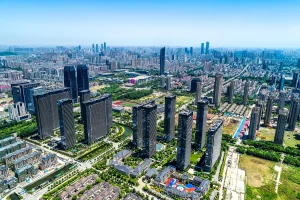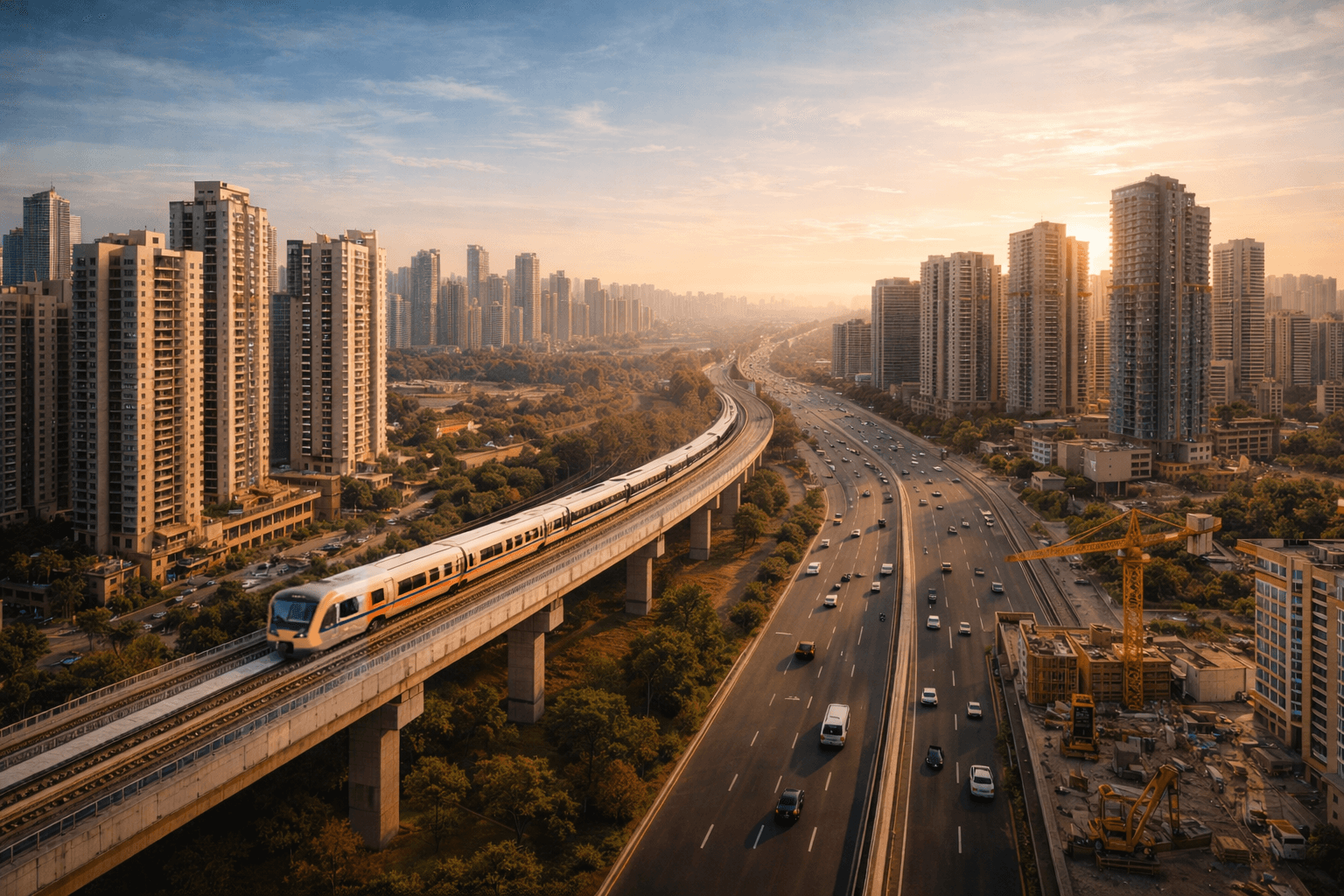
The Union Budget 2026–27 reinforces a clear message from the Government of India: infrastructure is the backbone of sustainable economic growth. With a record capital expenditure allocation, enhanced connectivity initiatives, and continued support for housing, the budget lays the foundation for the next phase of urban expansion and real estate development.
Table of Contents
For developers, homebuyers, and investors alike, union budget 2026–27 signals long-term confidence, stability, and opportunity. At Ganga Realty, we view this budget not just as a financial document but as a roadmap for future cities, housing demand, and lifestyle transformation.
Gurgaon’s growth story is best reflected in premium residential projects in Gurgaon, where infrastructure, planning, and lifestyle converge to create long-term value. Lets explores how the key announcements in the Union Budget 2026–27 will shape India’s real estate sector in the years ahead.
What Union Budget 2026–27 Means for Gurgaon’s Real Estate Ecosystem
For the overall ecosystem, the budget brings:
- Confidence in long-term demand
- Improved execution environment for developers
- Better urban planning outcomes
- Sustainable growth aligned with national priorities
Rather than short-term incentives, the budget focuses on structural strength, which is critical for a mature and evolving market like Gurgaon.
Infrastructure Push of ₹12.2 Lakh Crore: Strengthening the Real Estate Backbone
One of the most impactful announcements in the Union Budget 2026–27 is the allocation of ₹12.2 lakh crore towards capital expenditure, marking one of the highest-ever public infrastructure spends in India’s history.
Infrastructure investment has a direct and proven correlation with real estate growth. Roads, highways, metro networks, freight corridors, utilities, and urban infrastructure act as catalysts that unlock land value, enhance livability, and stimulate housing demand.
Infrastructure-led growth enhances the value of homes located in Ganga Realty Kashi Residencies in Sector 89—strategically positioned with superb connectivity and neighbourhood access.
Why Infrastructure Matters to Real Estate
- Improved accessibility increases demand for residential and commercial developments.
- Reduced travel time makes peripheral and emerging locations more attractive.
- Job creation through infrastructure projects boosts housing absorption.
- Private investment confidence rises when public infrastructure is robust.
For developers focused on quality, planning, and long-term value creation, this sustained infrastructure push provides the necessary foundation for delivering well-connected, future-ready communities.
High-Speed Rail Corridors: Creating New Growth Belts and Micro-Markets
The announcement of seven high-speed rail corridors is expected to redefine inter-city travel across major economic regions. For Gurgaon, strategically located within the Delhi–NCR belt, this enhanced connectivity further strengthens its appeal as a residential and business destination.
Real Estate Impact on Gurgaon
- Reduced travel time to neighbouring cities and business hubs
- Increased demand for premium and mid-segment housing
- Growth of transit-oriented developments
- Enhanced attractiveness for professionals seeking work-life balance
High-speed connectivity has historically led to appreciation in property values and demand in well-connected cities.
The private and public sector focus on rail and rapid transit infrastructure means areas like Sector 78, 84, 85, and 90 will continue gaining interest from homebuyers and investors alike.
Affordable Housing & PMAY-Urban: Supporting Inclusive Growth in Gurgaon
The continuation of Affordable Housing initiatives and PMAY-Urban under Union Budget 2026–27 reinforces the government’s commitment to inclusive urban development.
Gurgaon continues to see steady demand for value-driven homes, such as Ganga Valley in Sector 78, which combines location advantages with long-term lifestyle potential.
Why Affordable Housing Matters for Gurgaon
- Enables homeownership for working professionals
- Supports sustainable population growth
- Encourages organised, compliant development
- Strengthens long-term demand stability
Policy continuity ensures that developers and buyers can plan with confidence while maintaining momentum in one of the most important housing segments of the city.
Tier-1 City Focus: Gurgaon as a Key Urban Growth Engine
Union Budget 2026–27 places strong emphasis on Tier-1 city expansion and urban economic regions, positioning cities like Gurgaon as critical drivers of India’s economic and real estate growth.
Gurgaon’s evolution into a global business hub — with world-class office spaces, residential developments, retail centres, and social infrastructure — aligns seamlessly with this vision.
Why Gurgaon Continues to Attract Buyers and Investors
- Proximity to Delhi and IGI Airport
- Robust corporate and employment ecosystem
- Growing social infrastructure (schools, hospitals, retail)
- Strong rental demand and end-user interest
The budget’s focus on urban infrastructure ensures Gurgaon remains competitive, liveable, and future-ready.
Buyers looking for long-term value increasingly prefer Ganga Realty Nandaka in Sector 84—a project that combines thoughtful design with excellent connectivity and neighbourhood infrastructure.
Homebuyer Expectations: Affordability, Stability, and Long-Term Value
While the Union Budget 2026–27 did not announce immediate enhancements to Section 24(b) home loan deductions, it reinforces the broader economic factors that influence homebuying decisions in Gurgaon.
What Homebuyers in Gurgaon Gain
- Improved infrastructure and connectivity
- Long-term price stability supported by demand
- Better quality of life through planned development
- Continued housing supply across segments
For homebuyers, Gurgaon remains one of the most promising real estate markets, combining employment proximity with lifestyle amenities and growth potential.
Investor Sentiment: Gurgaon’s Strength as a Long-Term Asset Market
Projects developed by trusted real estate developers in Gurgaon like Ganga Realty, continue to attract investor interest—especially in zones benefiting from infrastructure investments
Gurgaon has consistently attracted real estate investors due to:
- Strong rental yields
- High absorption in residential and commercial segments
- Presence of multinational companies
- Long-term infrastructure growth
Budget 2026–27 reinforces investor confidence through:
- Infrastructure-driven demand
- Continued urban development focus
- Growing institutional participation in real estate
While clarity on capital gains and indexation reforms remains a topic of discussion, Gurgaon’s fundamentals continue to make it a preferred investment destination within NCR.
Commercial Real Estate: Gurgaon’s Office Market Stays Strong
Beyond residential real estate, Gurgaon’s commercial sector stands to benefit from:
- Improved regional connectivity
- Expansion of business corridors
- Increased domestic and global business activity
The budget’s focus on infrastructure and economic growth supports office absorption, mixed-use developments, and retail spaces — reinforcing Gurgaon’s position as a leading commercial hub.
Ganga Realty’s Perspective: Building Thoughtfully in Gurgaon
At Ganga Realty, Gurgaon is not just a market — it is home. Our developments are guided by the belief that real estate must evolve alongside infrastructure, community needs, and future lifestyles.
Union Budget 2026–27 aligns with our core values:
- Responsible urban development
- Quality construction
- Transparency and trust
- Long-term value creation
As Gurgaon continues to grow, our focus remains on creating residential spaces that offer comfort, connectivity, and lasting value.
Conclusion: A Positive Outlook for Gurgaon’s Real Estate Future
The Union Budget 2026–27 sets a strong foundation for Gurgaon’s continued real estate growth. With record infrastructure investment, enhanced connectivity, urban expansion, and housing continuity, the city is well-positioned to remain one of India’s most attractive real estate destinations.
For homebuyers, investors, and businesses, the message is clear:
Gurgaon’s real estate story is entering its next phase — driven by infrastructure, stability, and sustainable growth.
At Ganga Realty, we are committed to being part of this journey — shaping spaces that reflect Gurgaon’s future aspirations.
FAQ about Union Budget 2026–27
2. Will infrastructure spending increase property prices in Gurgaon?
Infrastructure development typically leads to better accessibility, reduced travel time, and improved urban amenities. In Gurgaon, such improvements are expected to support steady property value growth, especially in well-connected sectors and emerging residential corridors.
3. Is Gurgaon a good place to buy property after Budget 2026–27?
Yes, Gurgaon remains one of NCR’s most attractive real estate markets due to strong job opportunities, expanding infrastructure, and high housing demand. Budget 2026–27 further reinforces these fundamentals, making it suitable for both homebuyers and long-term investors.
4. Does the budget offer any new benefits for homebuyers in Gurgaon?
While Budget 2026–27 did not introduce new home loan tax deductions, it focused on improving infrastructure, housing supply continuity, and urban development — all of which indirectly benefit homebuyers through better connectivity and long-term value.
5. Which areas in Gurgaon are expected to grow the fastest after Budget 2026–27?
Sectors along major connectivity corridors such as Dwarka Expressway, Southern Peripheral Road (SPR), and New Gurgaon are expected to see sustained demand due to infrastructure upgrades and improved regional connectivity.
6. How does high-speed rail connectivity affect Gurgaon real estate?
High-speed rail improves inter-city mobility, making Gurgaon more accessible for professionals and businesses. This typically increases demand for residential and mixed-use developments near major transport corridors.
7. Is Gurgaon suitable for real estate investment in 2026–27?
Yes. Gurgaon’s strong rental demand, expanding corporate presence, and infrastructure-led growth make it a preferred destination for real estate investment in the medium to long term.