What is the difference between residential and commercial property?
Residential property is land or buildings used for living, such as apartments, builder floors and independent houses. Commercial property is used for business, such as offices, shops, SCO plots and showrooms. The main differences are land use and zoning, rental yield (typically quoted at roughly 2–4% for residential and 6–10% for commercial in India), lease length, loan terms and tax treatment.
The real estate market is a complex field with many moving parts, each essential to understanding the whole. Whether you’re a seasoned investor, a business owner, or a potential homebuyer, it’s crucial to grasp the fundamental differences and similarities between residential and commercial properties.
Table of Contents
Let us delve into what is residential property and what is commercial property, highlighting the core aspects of each in terms of investment, buying, renting, and ownership, and then explore the difference between residential and commercial property.
Residential vs Commercial Property: Side-by-Side Comparison
| Factor | Residential | Commercial |
|---|---|---|
| Purpose | Living: apartments, builder floors, houses, villas | Business: offices, shops, SCOs, showrooms, co-working |
| Land use / zoning | Residential land use under the master plan | Commercial land use. Changing use needs permission. |
| Typical rental yield | Roughly 2–4% a year | Roughly 6–10% a year |
| Lease terms | Short. An 11-month leave and license is common. | Longer, often several years with a lock-in |
| Vacancy risk | Lower. Housing demand is steady. | Higher. A vacancy can last for months. |
| Capital needed | Lower entry ticket | Usually higher |
| Loans | Home loan | Commercial property loan, usually at higher rates and lower funding |
| Tax and charges | Residential property tax and tariffs | Typically higher property tax and utility tariffs. GST may apply on rent. |
| Resale / liquidity | Easier to sell | Narrower buyer pool |
Yields vary by location and are not guaranteed. Check current tax and GST rules with a chartered accountant before you invest.
What Is Residential Property?
Residential property is any property meant for people to live in. That covers apartments, builder floors, independent houses, villas and plots in residential sectors.
One thing worth clearing up early: in India, an apartment building is residential. You may read foreign articles that put multi-family buildings under commercial real estate. That’s a US convention, and it doesn’t apply to a flat in Gurgaon.
For most people, residential is the first property they buy, and it works two ways. You can live in it, or you can rent it out. Rent from a flat is usually modest compared with its price, which is why residential investors tend to count on appreciation over the long run as much as on monthly income.
Renting out a residential property is relatively simple. Leases are short, an 11-month leave and license agreement is common, and demand for rental homes in a city like Gurgaon is steady. The trade-off is that short leases mean more turnover, and you’ll deal with tenant changes more often.
Spotlight on Gurgaon: The Rise of New Residential Projects
In the heart of India’s burgeoning real estate landscape, residential projects in Gurgaon stand out for their innovative approach to suburban living. The city has become a magnet for those seeking the comforts of urban living combined with the tranquillity of suburban space. New residential projects in Gurgaon are setting benchmarks in luxury and convenience, boasting state-of-the-art amenities such as smart home technologies, green parks, and comprehensive security systems. As we discuss the advantages of investing in residential properties, it’s pertinent to highlight how these new residential projects in Gurgaon cater to a diverse range of preferences, aligning with global standards of living.
Moreover, the surge in residential projects in Gurgaon reflects a broader trend of urban expansion and economic growth, making it an ideal case study for potential investors. The development of these projects not only meets the growing demand for housing in one of India’s fastest-growing regions but also offers an attractive portfolio of properties that promise significant returns on investment. This dynamic shift underscores the potential of investing in residential projects in Gurgaon, whether for rental income or personal use.
What Is Commercial Property?
Commercial property is any property used to do business. Typical examples are:
- Office spaces and business parks
- Retail shops and showrooms
- Malls and high-street retail
- SCO plots (shop-cum-office), which are common in Gurgaon
- Co-working and serviced office space
People buy commercial property for one main reason: rent. Commercial assets are typically quoted at a noticeably higher rental yield than flats, and tenants usually sign longer leases. That can mean steadier income when things go well.
The flip side is that you’re now a landlord to a business, and a business tenant’s fortunes affect yours. If the tenant leaves, the space can sit empty for months. Commercial leases are also more heavily negotiated, with clauses on lock-in periods, escalation, maintenance and fit-outs that a residential lease rarely has.
Industrial and Mixed-Use Property
Two more categories are worth knowing, because they show up in search results and in property listings.
Industrial property is used for manufacturing, storage and logistics, such as factories and warehouses. It sits in its own land-use category.
Mixed-use property combines residential and commercial use in one development. The classic example is a residential tower sitting above a retail podium. If you’re buying in a mixed-use project, check which part of the project your unit belongs to, because the rules and charges can differ between the residential and commercial portions.
How They Differ in Practice
Land use and zoning
This is the difference that matters most, and the one people overlook. Every plot has a permitted use, set by the master plan and the local authority. A residential plot is meant for homes. A commercial plot is meant for business. You can’t switch between them just because you’d like to.
Returns
Residential yields in India are typically quoted at roughly 2–4% a year of the property’s value. Commercial yields are quoted much higher, commonly 6–10%, depending on location and the type of space. Those numbers are ranges from published market commentary, not promises. A pre-leased office in a strong location and a vacant shop on a quiet street are very different assets, even if both are called commercial.
Leases
Residential leases are short and flexible. Commercial leases are longer, usually run for several years and often carry a lock-in, which protects the landlord’s income but also binds you to the tenant relationship for longer.
Loans
Home loans are widely available and competitive. Loans for commercial property are usually offered at higher interest rates and fund a smaller share of the price, which means you’ll need more of your own money upfront. Ask your bank for the exact terms before you assume the numbers.
Tax and ongoing charges
Commercial properties usually attract higher property tax and utility tariffs than residential ones, and the rates vary by municipality. Rent on a commercial property can attract GST, whereas rent on a residential dwelling is generally exempt. These rules change, so confirm the current position with a chartered accountant before you buy.
Resale
A flat has a wide pool of potential buyers. A shop or office has a narrower one, and the right buyer can take longer to find. If you might need to sell quickly, that’s worth weighing.
Can You Use a Residential Property for Business, or the Reverse?
Generally, not without permission. Land use is fixed by the master plan and enforced by the local authority. Running a commercial activity from a residential property, or living in a commercial unit, can attract notices, penalties or even sealing action.
Small home-based work, such as a freelancer using a spare room, is usually treated differently from running a shop or a client-facing office. But the line isn’t the same everywhere. If you’re planning anything beyond that, check with the local authority first and get it in writing.
If you want to convert a property from one use to another, there’s usually a formal process for permission and charges. Don’t rely on a broker’s word on this one.
How to Check If a Property Is Residential or Commercial
If you’re not sure what a property is classified as, these documents will tell you:
- Sale deed or registry. It usually states the nature of the property.
- Sanctioned building plan. It shows the approved use of the building.
- RERA registration. The project’s registration type tells you whether it is registered as residential, commercial or mixed-use.
- Property tax category. The tax bill shows how the municipality classifies the property.
- Electricity connection type. A commercial connection and a domestic connection are billed differently.
If these documents disagree with each other, treat that as a warning sign and get a lawyer to look at it before you buy.
Which Is the Better Investment?
There’s no universal winner, and anyone who tells you otherwise is selling something.
Commercial tends to suit you if you have a larger amount to invest, you can wait through a vacancy, you understand how businesses and their leases work, and you care more about rental income than easy resale.
Residential tends to suit you if you want to buy a home to live in, you want a smaller ticket and easier financing, you prefer a market with steady demand, or you want to hold for long-term appreciation.
A useful rule of thumb: commercial pays you more to take on more risk. If you can’t comfortably absorb six months with no rent, the higher yield isn’t really yours to count on. If you’re weighing a commercial purchase, read our guide on the key attributes that determine the potential of a commercial asset before you commit.
Whichever you choose, check the legal side too. Our guide to real estate laws and regulations every property buyer must know in 2026 covers RERA and the protections you should expect.
A Note on Gurgaon
Gurgaon is one of the few NCR markets where both categories are genuinely active. There are residential sectors with high-rise towers and builder floors, and commercial hubs such as office clusters and SCO-lined roads. That makes comparison easy, because you can look at real listings of both and compare actual asking rents and prices instead of relying on averages.
If you’re leaning toward residential, our checklist on what to verify before buying a flat in a 30 or 40-storey high-rise is a good place to start.
Conclusion
Understanding the difference between residential and commercial property is essential for anyone looking to invest in real estate. Each type offers unique opportunities and challenges, and the choice between them should depend on an individual’s or entity’s investment strategy, capital availability, and risk tolerance. Whether it’s a home to live in or a space to conduct business, real estate remains a critical asset class in any investment portfolio.
Looking at homes in Gurugram? Explore Ganga Realty’s residential projects and talk to our team about the layouts and options available.

Anantam 85
Ultra-luxury residences on Dwarka Expressway offering expansive green spaces and world-class amenities.

Nandaka 84
Modern residential community in New Gurgaon designed for connectivity, comfort, and lifestyle.
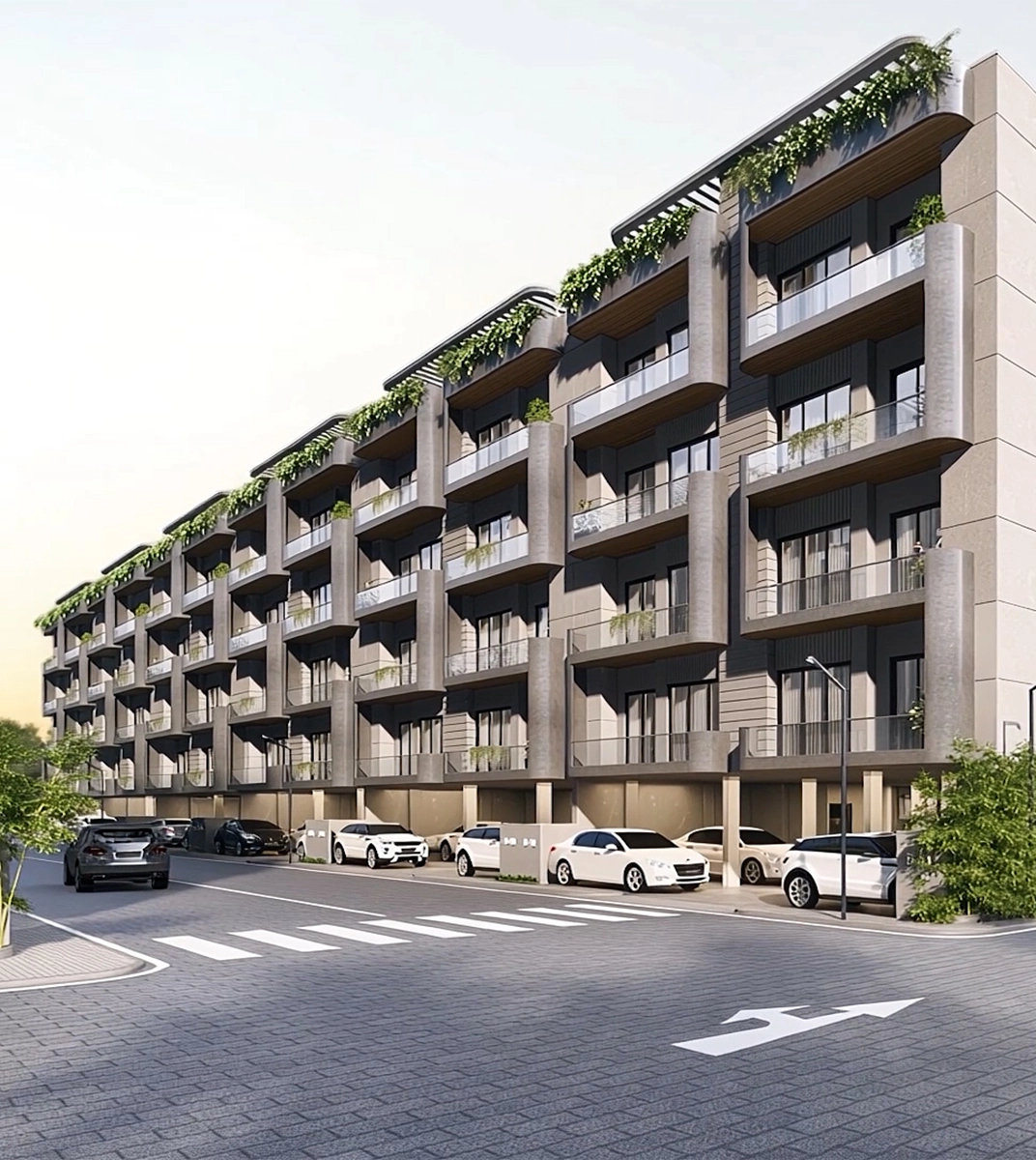
Ganga Kashi Residences
Premium residential development offering peaceful living with contemporary amenities.

Ganga Valley 78
Integrated township living with lush green spaces and a complete lifestyle ecosystem.
FAQ’s About Residential and Commercial Property
Are apartments residential or commercial?
Apartments in a residential project are residential property. Serviced apartments, offices and retail units inside the same development may be classified as commercial, so check the project’s sanctioned use.
Can a residential property be used for commercial purposes?
Generally not without permission. Land use is set by the master plan and the local authority, and unauthorised commercial use can attract penalties or sealing. Confirm with the authority before running a business from a residential property.
How do I check if a property is residential or commercial?
Check the sale deed or registry, the sanctioned building plan, the project’s RERA registration type, the property tax category and the type of electricity connection.
Is commercial property a better investment than residential?
Commercial property typically offers higher rental yield, often quoted at 6-10% against 2-4% for residential, but it needs more capital and carries longer vacancy risk. Residential is easier to buy, finance and resell.
What is mixed-use property?
Mixed-use property combines residential and commercial use in one development, such as apartments above a retail podium.
What is the difference between commercial and residential leases?
Residential leases are short, and an 11-month leave and license is common. Commercial leases are usually longer, often several years with a lock-in, and are more heavily negotiated.