Family exploring real estate project
23 February 2023|4 Minutes Read
By : Ganga Realty

Delhi-Mumbai Expressway: A Game-Changer for Future Connectivity

As per real estate and development experts, the Sohna elevated road project has lead to an appreciation in land prices by up to 15%. Furthering this rise in the land value is the recently launched Sohna-Dausa leg of the Delhi-Mumbai Expressway. Brought into action by Prime Minister Narendra Modi on 12 February 2023, this road stretch will chronicle a new era of social and economic growth in regions that it will connect. Experts say that Sohna’s residential and commercial real estate sectors are said to witness huge success due to the increased connectivity and opportunities that the expressway will bring with itself.

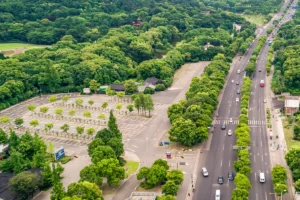
The Delhi-Mumbai expressway will be 1,386 km long, which will make it the longest expressway in the country. This grand project has cut travel time between Gurugram and Sohna to 20 minutes. It will also cut down travel time between Delhi and Mumbai from initial 24 hours to just 12 hours. The new Sohna-Dausa stretch of the expressway will connect Alipur in Sohna to Dausa in Rajasthan, making commuting between the two cities fast and hassle-free. The highway will also connect major areas like Kota, Indore, Jaipur, Bhopal, Vadodara, and Surat while traversing Delhi, Haryana, Rajasthan, Madhya Pradesh, Gujarat, and Maharashtra. 

With this increase in connectivity and ease of travel, Sohna is fast rising to become one of the most coveted destinations to invest in. Sohna has already established itself as one of the most successful micro-markets in the country. With its proximity to areas such as south Delhi, Gurugram, Palwal, Faridabad and Alwar, it brings in business opportunities from prime commercial areas. Further aiding in Sohna’s commercial growth is the robust connectivity promised by the Delhi-Mumbai expressway, which seamlessly connects Sohna to prime locations of the country, such as the Jewar Airport in Uttar Pradesh and DND Flyover through Delhi. Additionally, the Union Budget real estate impact has further strengthened investor confidence, boosting both residential and commercial prospects in Sohna.

The expressway is set to amplify the real estate market in Sohna. Once the Gurgaon-Dausa stretch extends its roots to Mumbai, the number of commuters travelling from Delhi-NCR to Mumbai will likely increase, creating new growth opportunities. With reduced time in commuting, Sohna will witness a surge in logistics and warehousing, two of the most important economic drivers that a city can benefit from. 

The expressway itself is designed to reflect the advancements that it will make happen. It comes with ground-breaking features such as RFID tags, CCTV monitoring and automatic toll collection. With these measures, it makes commuting not just convenient but also much safer. 

According to realty experts, the rise in infrastructure in Sohna and areas nearby is expected to create new job opportunities in the area. Naturally, the residential sector here will benefit immensely from the influx of talented individuals who will come to work here. Consequently, the need for other commercial real estate developments, such as offices and retail avenues, will also witness a huge surge in demand, further supported by projects like the Gurugram metro extension: connectivity & real growth prospects for the region..

Final Thoughts

The decreased commute time, along with unparalleled connectivity to prime economic hubs of the country, will open new avenues for real estate development. These benefits will put Sohna at the forefront of advancements in both residential and commercial real estate.

Besides the expressway corridor, other areas like Sector 5 and Sector 35 are emerging as commercial investment hubs in Gurgaon, attracting both investors and businesses.

Ganga Realty, a trusted real estate developer in Gurgaon, is poised to leverage this growth, offering premium investment opportunities. Discerning investors will find themselves making the most of this opportunity. The Delhi-Mumbai Expressway truly serves as the gateway to the future of commercial and economic growth.

Enquire Now

Recent Posts

How India’s New Smart Industrial Cities Could Transform the Property Market
16 September 2026|11 Minutes Read

How India’s New Smart Industrial Cities Could Transform the Property Market

India is entering a new phase of infrastructure-led urban development. From expressways and airports to industrial corridors and integrated townships, the geography of growth is changing rapidly. One of the most significant developments is the government's push towards smart industrial cities under the National Industrial Corridor Development Programme (NICDP). In August 2024, the Union Cabinet approved 12 new industrial nodes and cities across India with an estimated investment of ₹28,602 crore. The projects are designed around integrated infrastructure, plug-and-play industrial facilities, multimodal connectivity and the "walk-to-work" concept. For India's real estate sector, the implications could extend well beyond industrial land. As manufacturing, logistics and businesses establish themselves around these emerging hubs, they can create employment, attract population and increase demand for housing, rentals, retail, offices, warehouses and social infrastructure. As infrastructure and employment opportunities continue to reshape the NCR, Gurgaon real estate remains closely connected to the city's expanding business and residential ecosystem. For developers such as Ganga Realty, the evolution of New Gurgaon and its surrounding infrastructure corridors provides an important example of how residential development can align with a broader economic and urban transformation. What Are Smart Industrial Cities? Smart industrial cities are planned economic and urban development hubs that combine industrial infrastructure with modern urban planning. Unlike conventional industrial estates, the objective is to create integrated ecosystems where businesses can access: Industrial land Roads and transportation Utilities Logistics infrastructure Digital connectivity Commercial facilities Residential development Social infrastructure Sustainable urban systems The NICDP is designed to create industrial nodes with world-class infrastructure and ready-to-use facilities intended to attract investment and manufacturing activity. The broader objective is not simply to build factories. It is to create economic centres around which cities and communities can develop. And that is where real estate becomes an important part of the story. India's New Industrial Cities Under NICDP The 12 new industrial cities approved under the NICDP span multiple states and industrial corridors. They include industrial nodes in: Haryana Uttar Pradesh Rajasthan Punjab Maharashtra Kerala Bihar Telangana Andhra Pradesh Uttarakhand The approved projects include IMC Hisar in Haryana, IMC Agra and IMC Prayagraj in Uttar Pradesh, Jodhpur-Pali-Marwar in Rajasthan, Rajpura-Patiala in Punjab and other industrial areas across the country. The programme has also moved from approval toward execution. As of February 2026, SPVs had been established for all 12 projects, with EPC contractors appointed for nine. More recently, the Economic Survey 2025–26 reported that Phase-I NICDP cities had already attracted ₹2.02 lakh crore in investment, creating jobs in high-growth sectors including EVs and semiconductors. The Union Budget 2026–27 backed this further with a ₹3,000 crore allocation to the National Industrial Corridor Development and Implementation Trust (NICDIT) and the announcement of a new Integrated East Coast Industrial Corridor, adding a Durgapur node to the programme's reach. This progression matters because the real estate impact of infrastructure is generally tied to actual implementation, connectivity and economic activity — not announcements alone. Why Industrial Development Matters to Real Estate Real estate growth is closely connected with economic activity. A simple relationship can be illustrated as: Industrial Investment ↓ Businesses & Manufacturing ↓ Employment ↓ Population Movement ↓ Housing Demand ↓ Retail & Commercial Development ↓ Urbanisation When companies establish operations in a particular region, employees and supporting businesses often need places to live, work and operate. This can create demand for multiple property categories. Residential Apartments Plotted developments Builder floors Rental housing Affordable housing Premium residences Commercial Offices Retail Restaurants Hotels Business centres Industrial & Logistics Warehouses Distribution centres Industrial sheds Logistics parks Ancillary manufacturing facilities This is why industrial infrastructure can influence the broader property ecosystem. How Industrial Growth Can Influence Housing Demand Employment is one of the most important long-term drivers of housing demand. Consider a hypothetical industrial hub that attracts thousands of employees. Those employees need homes. Some may rent initially. Others may eventually purchase. As families move into the area, demand can expand towards: Schools Hospitals Shopping centres Restaurants Parks Entertainment Fitness facilities Public transportation Over time, an industrial centre can therefore become part of a larger urban ecosystem. However, this process is not automatic. The scale of the effect depends on factors such as the number of jobs created, the quality of infrastructure, connectivity, housing supply and the pace at which supporting amenities develop. What This Could Mean for Gurgaon Gurgaon, or Gurugram, provides an interesting example of how employment and infrastructure can influence residential development. The city has evolved from a satellite town into one of India's major corporate and commercial centres. Its residential geography has expanded alongside business districts, highways, expressways and emerging infrastructure corridors. Today, New Gurgaon is an important part of this broader development story. Areas around sectors such as 78, 84, 85 and 89 have increasingly become part of the city's expanding residential landscape. The connection between infrastructure and housing is particularly visible around major corridors such as: Dwarka Expressway NH-48 Southern Peripheral Road Sohna Road Golf Course Extension Road Delhi-Mumbai Expressway connectivity For homebuyers, the significance of these corridors is not simply travel convenience. They influence access to employment centres, education, healthcare, retail and other urban infrastructure. New Gurgaon and the Changing Geography of Gurugram New Gurgaon is developing as a broader residential ecosystem supported by major transportation links and expanding social infrastructure — creating room for larger residential communities built around open spaces, modern amenities, landscaped environments and wellness facilities. Ganga Realty's residential portfolio sits inside this shift, with developments across four New Gurgaon locations: Nandaka 84 (Sector 84): Positioned near Dwarka Expressway and NH-48, offering 3, 4 and 5 BHK residences and penthouses built around spacious layouts, greenery and wellness amenities. Anantam 85 (Sector 85): An ultra-luxury high-rise development reaching up to 60 storeys, with multiple clubhouses, a business centre, wellness amenities and AI-enabled home features. Ganga Valley 78 (Sector 78): Integrated township living with lush green spaces and a complete lifestyle ecosystem. Ganga Kashi Residences (Sector 89): Premium residential development offering peaceful living with contemporary amenities. Together, these projects illustrate a broader shift in how modern homebuyers evaluate location — not by distance from a central business district alone, but through a combined lens: Home + Connectivity + Work + Lifestyle + Social Infrastructure Anantam 85 Ultra-luxury residences on Dwarka Expressway offering expansive green spaces and world-class amenities. Nandaka 84 Modern residential community in New Gurgaon designed for connectivity, comfort, and lifestyle. Ganga Kashi Residences Premium residential development offering peaceful living with contemporary amenities. Ganga Valley 78 Integrated township living with lush green spaces and a complete lifestyle ecosystem. The company's projects illustrate how luxury residential projects is increasingly being planned around the evolving infrastructure and lifestyle ecosystem of New Gurgaon. Connectivity as a Driver of Property Demand Industrial and residential development share one common requirement: connectivity. For industries, it determines how efficiently goods, employees and materials move. For residents, it shapes daily commuting and access to social infrastructure. This is why major infrastructure corridors influence the development pattern of surrounding areas. Gurgaon's Dwarka Expressway and NH-48 connect residential areas with wider regional networks, while the Southern Peripheral Road provides an important east-west link across the city. Nandaka 84 and Anantam 85 both sit within New Gurgaon's connectivity ecosystem — though buyers should always distinguish between existing infrastructure and proposed infrastructure when evaluating a location. The development of major corridors such as Dwarka Expressway is also changing how homebuyers evaluate connectivity and residential locations across New Gurgaon. Industrial Growth, Employment and Rental Housing Industrial cities can also influence rental housing. Employees relocating for work may initially prefer renting instead of purchasing a property. This can create demand for: 1 BHK apartments 2 BHK apartments 3 BHK apartments Co-living accommodation Serviced residences Employee housing As employment ecosystems mature, some renters may transition into homeowners. This creates a potential pathway from: Employment → Rental Demand → Residential Ownership Gurgaon has already demonstrated how employment-led migration can influence residential and rental markets. The city's large corporate ecosystem has created sustained demand for housing across multiple segments. The development of additional industrial and logistics hubs around the NCR could add another layer to this regional employment and housing network. Logistics and Commercial Real Estate The impact of industrial cities will not be limited to housing. Manufacturing requires logistics. Logistics requires warehouses and distribution centres. Businesses require commercial spaces. Employees require retail and services. This creates a broader property ecosystem. Industrial development can therefore potentially stimulate demand for: Industrial + Logistics + Commercial + Residential Real Estate For Gurgaon and the wider NCR, this is particularly relevant because the region is already one of India's major corporate, logistics and consumption markets. The continued development of industrial and logistics infrastructure around the NCR can further strengthen the importance of connectivity between Gurgaon, Manesar, Delhi, Haryana and neighbouring economic centres. Why Tier-2 and Emerging Cities Could Benefit One of the most significant consequences of India's industrial corridor strategy could be the emergence of new economic centres outside established metropolitan markets. Industrial projects such as IMC Hisar in Haryana and industrial nodes in Uttar Pradesh, Rajasthan, Punjab and other states could support more distributed economic growth. As these locations attract businesses and employment, surrounding real estate markets could gradually develop. The potential chain is: Industrial Hub → Employment → Population → Housing → Retail → Social Infrastructure → Urbanisation This could create new property markets while reducing the concentration of economic activity in a limited number of metropolitan areas. What Property Buyers Should Watch Infrastructure-led real estate growth requires careful evaluation. If you're considering a property near an emerging industrial or infrastructure corridor, weigh the fundamentals rather than future expectations alone: Actual Connectivity: Check existing roads, highways, rail connectivity and public transportation. Employment Creation: Confirm companies are actually establishing operations and generating jobs. Infrastructure Execution: Distinguish between announced, under-construction and operational infrastructure. Residential Supply: Study how much housing is already available versus planned. Social Infrastructure: Schools, hospitals, retail and recreational facilities shape long-term liveability. Rental Demand: Growing rental demand signals employment-driven population growth. Regulatory Approvals: Always verify project approvals, RERA registration, title documentation and other permissions. Before making a property decision, buyers should also compare property rates in Gurgaon across different sectors and understand how location, connectivity and infrastructure influence pricing. The Future of Gurgaon Real Estate The future of Gurgaon is increasingly connected to the larger NCR economic ecosystem. The city's evolution is no longer driven by one road, one business district or one residential sector. Instead, multiple factors are interacting: Corporate Growth Industrial Development Logistics Expressways Metro & Public Transport Residential Development Social Infrastructure Together, these factors can influence the city's next phase of urbanisation. Ganga Realty's developments in New Gurgaon provide one example of how residential projects are being created within this changing landscape. From Nandaka 84 in Sector 84 to Anantam 85 in Sector 85, Ganga Realty is developing residential addresses within an area where infrastructure, connectivity and urban expansion are reshaping the residential market. Other Ganga Realty developments, including Ganga Valley 78 and Ganga Kashi Residencies in Sector 89, further extend the company's residential presence across Gurgaon. Conclusion India's smart industrial cities could become important catalysts for the country's next phase of economic and urban development. The ₹28,602 crore programme across 12 new industrial cities represents a significant push toward integrated manufacturing and infrastructure — and as implementation progresses, the resulting employment, logistics and connectivity networks could influence surrounding urban markets. For real estate, the opportunity may not come directly from industrial land itself, but from everything that develops around it: jobs, homes, retail, schools, healthcare, logistics, commercial spaces and better connectivity. Gurgaon's transformation into a major corporate and residential destination offers a working example of this interconnected model — and as New Gurgaon continues to evolve, projects like Nandaka 84 and Anantam 85 represent the residential side of that larger story. For homebuyers, the key is to look beyond a property's immediate surroundings and understand the larger ecosystem of connectivity, employment, infrastructure, liveability and urban planning that shapes a location over the long term.

Read More
Difference Between Carpet Area Vs Built-up Area Vs Super Built-up Area
16 September 2026|10 Minutes Read

Difference Between Carpet Area Vs Built-up Area Vs Super Built-up Area

When buying a home, property size is one of the first things buyers compare. A property may be advertised as 1,500 sq. ft., 2,000 sq. ft., or even larger. But what does that number actually represent? This is where terms such as carpet area, built-up area, and super built-up area become important. Understanding the difference between carpet area vs built-up area vs super built-up area can help you compare properties more accurately, understand what you are actually paying for, and make a more informed home-buying decision. In simple terms, carpet area is closest to the usable area inside your home, while built-up and super built-up areas include additional components beyond the space you directly use. Understanding these measurements is also one of the important key decisions in home buying. Why Understanding Property Area Matters Two homes with the same advertised size may not offer the same amount of usable space. For example, two apartments marketed as 1,500 sq. ft. could have different carpet areas depending on their walls, balconies, layout, and the way common areas are accounted for. This is why buyers should look beyond the headline number and examine the floor plan, carpet area, room dimensions, and overall home layout. If you are planning to buy a property in Gurgaon, you can also refer to this complete guide to buying a property in Gurgaon for broader financial, legal, and practical considerations. What Is Carpet Area? Carpet area refers broadly to the usable floor area within the apartment, measured according to the applicable regulatory definition. It represents the space available inside the home where you can actually use the floor area for living activities. This generally includes spaces such as: Living room Bedrooms Dining area Kitchen Bathrooms Internal passages However, specific inclusions and exclusions should always be checked against the applicable legal and project documentation. Why Is Carpet Area Important? Carpet area gives homebuyers a better understanding of the actual space available within the apartment. For example, if two properties have the same super built-up area but different carpet areas, the apartment with the larger carpet area may provide more usable indoor space. Before purchasing, buyers should therefore review the sanctioned plan and relevant property documents rather than relying only on a sales brochure. You can also use a carpet area calculator to better understand how carpet area relates to property measurements. What Is Built-Up Area? Built-up area generally refers to the carpet area plus the area occupied by walls and certain other covered components associated with the apartment. A simplified representation is: Built-Up Area = Carpet Area + Wall Area + Other Applicable Covered Areas Depending on the project and applicable measurement conventions, balconies, utility areas, or other covered spaces may also be considered. Example Suppose an apartment has: Carpet area: 1,000 sq. ft. Wall and other applicable covered areas: 150 sq. ft. Its built-up area could be approximately: 1,000 + 150 = 1,150 sq. ft. The exact calculation can vary depending on the property's approved plans and measurement methodology. What Is Super Built-Up Area? Super built-up area is a broader measurement that can include the built-up area of the apartment along with the proportionate share of certain common areas of the development. These common areas may include spaces such as: Lobbies Staircases Common corridors Lifts and lift areas Other shared facilities, where applicable A simplified representation is: Super Built-Up Area = Built-Up Area + Proportionate Common Area This is why the super built-up area is generally higher than the carpet area. Carpet Area vs Built-Up Area vs Super Built-Up Area The easiest way to understand the difference is to look at what each measurement represents. Area TypeGenerally RepresentsWhat Buyers Should UnderstandCarpet AreaUsable area within the homeClosest representation of usable indoor spaceBuilt-Up AreaCarpet area + walls and applicable covered areasLarger than carpet areaSuper Built-Up AreaBuilt-up area + proportionate common areasIncludes a share of certain common spaces The three numbers can therefore describe the same property from different measurement perspectives. Simple Example of Carpet Area, Built-Up Area and Super Built-Up Area Consider a hypothetical apartment: Carpet Area: 1,000 sq. ft.Built-Up Area: 1,150 sq. ft.Super Built-Up Area: 1,350 sq. ft. In this example: 1,000 sq. ft. represents the carpet area. The additional 150 sq. ft. accounts for walls and other applicable covered areas. The additional 200 sq. ft. represents the proportionate share of applicable common areas. Therefore, the property may be marketed using the 1,350 sq. ft. super built-up figure, while the actual indoor usable area is represented more closely by its carpet area. These numbers are illustrative. Buyers should always verify the actual figures in the project's approved plans, agreement, and applicable regulatory disclosures. How to Calculate Carpet Area, Built-Up Area and Super Built-Up Area There is no single universal percentage that can accurately convert one area measurement into another for every property. However, the relationship can be understood conceptually. Carpet Area The carpet area is determined according to the applicable measurement definition and approved plans. Carpet Area = Built-up Area − Area of External Walls − Service Shafts − Balcony/Terrace Area Built-Up Area A simplified calculation is: Built-Up Area = Carpet Area + Applicable Wall/Covered Areas Super Built-Up Area A simplified calculation is: Super Built-Up Area = Built-Up Area + Proportionate Common Areas Because the actual calculation depends on the project, buyers should not assume that a fixed percentage of loading applies to every apartment. For buyers who want to understand carpet area more practically, a carpet area calculator can also be useful as a reference tool. Carpet Area vs Built-Up Area: What Is the Difference? The primary difference is that carpet area focuses on the usable area within the home, while built-up area adds walls and other applicable covered spaces. For example: 1,000 sq. ft. carpet area 150 sq. ft. applicable additional area = 1,150 sq. ft. built-up area Therefore, built-up area will generally be greater than carpet area. When comparing two apartments, don't assume that identical built-up areas mean identical usable space. Always examine the carpet area and floor plan. Built-Up Area vs Super Built-Up Area: What Is the Difference? The difference is mainly the inclusion of a proportionate share of common areas. For example: 1,150 sq. ft. built-up area 200 sq. ft. proportionate common area = 1,350 sq. ft. super built-up area This means the super built-up figure can include an allocation for shared areas that are not part of the private apartment itself. For this reason, buyers should understand exactly what area is being quoted when comparing property prices. Which Area Should You Consider When Buying a Home? There isn't one number that should be considered in isolation. A smart homebuyer should evaluate: Carpet area Built-up area Super built-up area Floor plan Room dimensions Balcony and utility spaces Loading or common-area component Price per relevant area measurement What is specified in the agreement and regulatory documents The carpet area is particularly important because it provides a clearer understanding of the usable space available within the apartment. But even carpet area does not tell the entire story. A well-planned 1,200 sq. ft. home can potentially feel more functional than a poorly planned home with a larger headline area. Room proportions, circulation, storage, natural light, ventilation, and furniture placement all influence how the space actually works. Why Carpet Area Matters for Homebuyers It Helps You Understand Usable Space: The carpet area provides a more meaningful reference for understanding how much indoor space you actually have. It Makes Property Comparisons Easier: Comparing apartments only on super built-up area can sometimes be misleading. Looking at carpet area helps create a more meaningful comparison. It Helps You Evaluate the Floor Plan: Once you know the carpet area, study how that space has been distributed between bedrooms, living areas, kitchen, bathrooms, corridors, and other spaces. It Helps You Assess Value: A lower price per square foot does not necessarily mean better value if the property offers significantly less usable space. The goal should be to understand what you are paying for and what you actually receive. What Is RERA Carpet Area? For properties covered by the applicable RERA framework, the term carpet area has a defined regulatory meaning. This makes it particularly important for homebuyers to understand the carpet area mentioned in the project's regulatory disclosures and agreements. Buyers should also review the relevant RERA information before making a purchase decision. For a broader understanding of the regulatory framework, you can explore this guide to RERA Haryana. Common Mistakes Buyers Make When Comparing Property Sizes Comparing Only the Super Built-Up Area: A larger advertised number does not automatically mean more usable space. Ignoring the Floor Plan: The same carpet area can feel very different depending on the layout. Assuming a Fixed Loading Percentage: Loading can vary between projects. Don't assume that one standard percentage applies everywhere. Not Checking the Agreement: Always compare the area mentioned in marketing material with the relevant contractual and regulatory documents. Focusing Only on Price Per Square Foot: Price per sq. ft. should be evaluated alongside carpet area, specifications, location, floor plan, amenities, and other relevant factors. Not Measuring Furniture Fit: A room may look spacious on a plan but work differently once beds, wardrobes, sofas, dining tables, and other furniture are placed. You can also refer to this detailed guide on things to check before buying a flat in Gurgaon before making your final decision. What Should You Check Before Buying a Property? Before finalising a home, ask the developer or sales representative for clarity on: Carpet area Built-up area, if provided Super built-up area, if applicable Loading or common-area component Approved floor plan Room dimensions Balcony and utility areas RERA disclosures Agreement specifications Total price and applicable charges You can also refer to a detailed guide on things to check before buying a flat in Gurgaon before making your final decision. For additional due diligence, review these RERA-registered projects in Gurugram considerations before making a decision. Final Takeaway Understanding the difference between carpet area vs built-up area vs super built-up area is essential for making a smarter property purchase. The headline number in a property advertisement tells only part of the story. Carpet area helps you understand usable indoor space, built-up area accounts for additional covered components, and super built-up area can include a proportionate share of common areas. Before buying, look beyond the square-foot figure. Study the floor plan, carpet area, room dimensions, documentation, and overall functionality of the home. Ultimately, the best home isn't necessarily the one with the biggest number on the brochure. It is the one that gives you the right combination of usable space, thoughtful planning, comfort, and value. For buyers exploring luxury residential projects in Gurgaon, understanding these area measurements is an important first step toward making a more informed property decision. Anantam 85 Ultra-luxury residences on Dwarka Expressway offering expansive green spaces and world-class amenities. View Project Nandaka 84 Modern residential community in New Gurgaon designed for connectivity, comfort, and lifestyle. View Project Ganga Kashi Residences Premium residential development offering peaceful living with contemporary amenities. View Project Ganga Valley 78 Integrated township living with lush green spaces and a complete lifestyle ecosystem. View Project

Read More

Luxury Living In Gurugram

Discover thoughtfully designed residences that blend modern architecture,
premium amenities, and sustainable living in the heart of the city.

--> -->